The 2020 NEC code change introduced a critical update: surge protection is now mandatory for residential properties. This rule ensures homes are safeguarded against sudden voltage spikes that can damage appliances or even cause fires. I’ve seen firsthand how a lack of compliance with NEC codes can lead to costly repairs and safety risks. The new surge protector code applies to both new and existing electrical systems, making whole house surge protection a necessity.
Following the national electrical code isn’t just about meeting legal requirements—it’s about protecting your home and loved ones.
- What are the New Surge Protector Code Rules?
- Why were these rules introduced?
- Key Changes in the 2020 NEC Code Change
- 💡 Practical tips
- Who Needs to Comply with the Surge Protector Code?
- How to Ensure Compliance with Surge Protection Requirements
- Common Questions About Surge Protection
- What Else to Know
What are the New Surge Protector Code Rules?
Overview of the Surge Protector Code
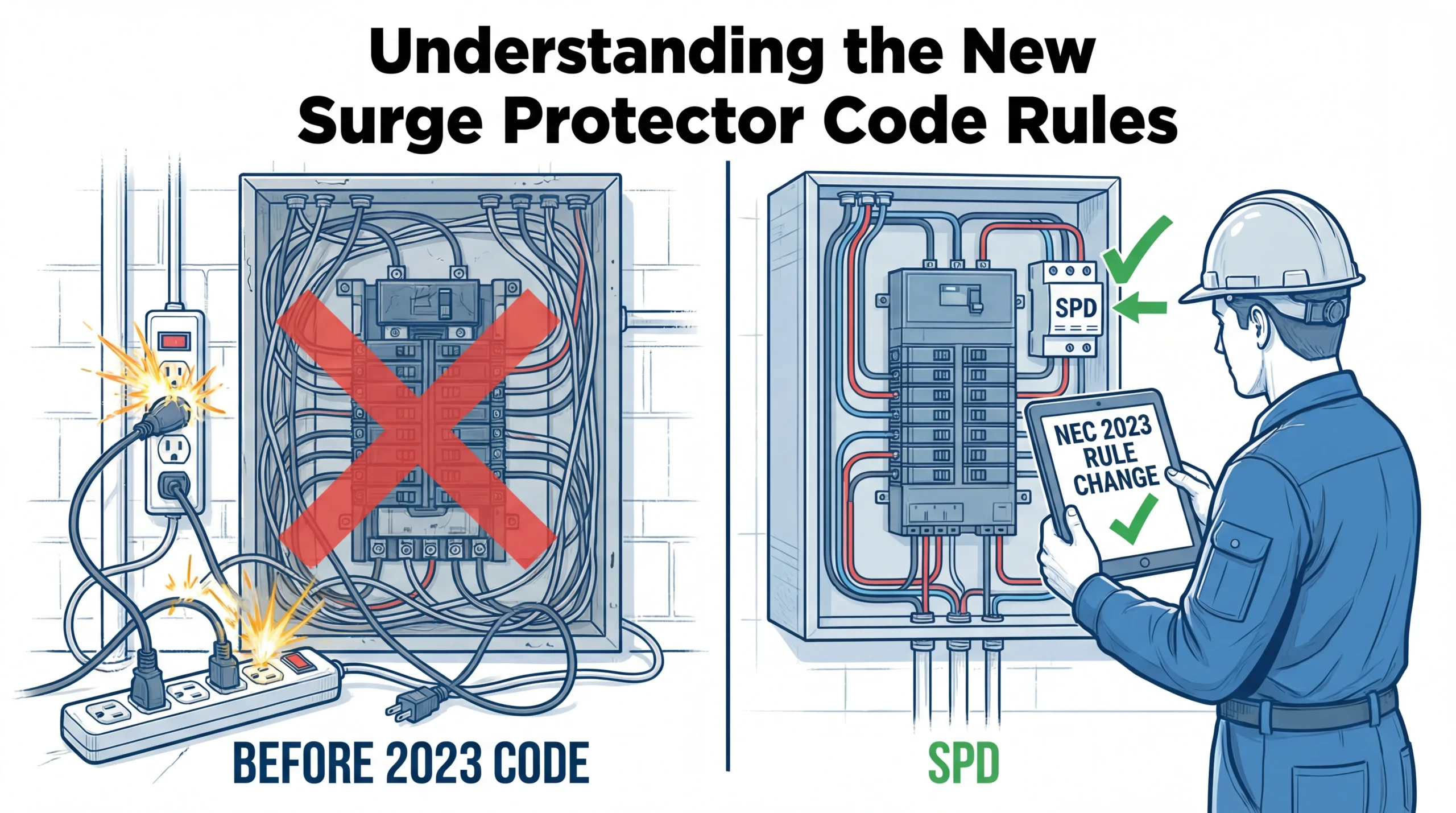
The surge protector code introduced in the 2020 national electrical code focuses on protecting homes from electrical surges. These surges can occur due to lightning strikes, power outages, or even routine utility work. These sudden voltage spikes can damage appliances, electronics, and even the wiring in a home. The new rules require surge protection devices (SPDs) to be installed in residential properties.
These devices act as a shield, diverting excess voltage away from your home’s electrical system. The code outlines specific requirements for SPDs, including their type, location, and ratings.
Here’s a quick breakdown:
|
Requirement |
Details |
|---|---|
|
Surge-Protective Device |
All services supplying dwelling units must have an SPD. |
|
Location |
SPD must be integral to service equipment or adjacent. |
|
Type |
SPD must be Type 1 or Type 2. |
|
Replacement |
All requirements apply when service equipment is replaced. |
|
Additional Occupancies |
Includes dormitory units, guest rooms, and areas of nursing homes. |
|
Ratings |
SPDs must have a nominal discharge current rating of at least 10kA. |
These requirements ensure that homes and other residential spaces are equipped to handle modern electrical demands safely.
Mandatory Surge Protection for Residential Properties
The surge protector code makes surge protection mandatory for all residential properties. This includes single-family homes, apartments, and even dormitories. I’ve noticed that many homeowners underestimate the risks of electrical surges.
However, the new rules leave no room for oversight.
Every dwelling unit must have an SPD installed at the service panel. This ensures that the entire home benefits from surge protection, not just individual devices.
Applicability to New and Existing Electrical Systems
One of the most significant aspects of the surge protector code is its applicability to both new and existing electrical systems. If you’re building a new home, the code requires SPDs to be part of the initial installation. For existing homes, the rules apply whenever service equipment is replaced.
I always recommend homeowners take this opportunity to upgrade their systems. It’s a small investment for long-term safety and peace of mind.
Why were these rules introduced?
Addressing Electrical Safety Concerns
Electrical safety has always been a top priority in residential properties. I’ve seen how even a small power surge can lead to significant damage. These surges can cause fires, destroy appliances, or even harm people. The new rules aim to reduce these risks by making surge protection mandatory. A surge protection device acts as a barrier, preventing excess voltage from reaching your home’s wiring. This keeps your family and property safe from unexpected electrical hazards.
The National Fire Protection Association (NFPA) reported that electrical failures caused over 46,000 home fires annually in the U.S. These fires resulted in billions of dollars in damages. Many of these incidents could have been avoided with proper surge protection.
The updated code ensures that every home has this essential safeguard in place.
Adapting to Modern Electrical Demands
Homes today rely on more electronic devices than ever before. I’ve noticed that many households use smart appliances, home automation systems, and advanced entertainment setups. These devices are sensitive to voltage surges. Without proper protection, they can fail or become permanently damaged.
The new rules address this issue by requiring surge protection for all residential properties.
Modern electrical systems also face higher demands. Utility companies often perform maintenance or upgrades that can cause sudden voltage spikes. These spikes can overwhelm older systems. By installing surge protection devices, homeowners can adapt to these challenges and protect their investments.
Preventing Damage from Voltage Spikes
Voltage surges are unpredictable. They can occur during storms, power outages, or even routine utility work. I’ve seen how a single surge can destroy expensive electronics in seconds. The new rules aim to prevent this kind of damage. Surge protection devices absorb or redirect excess voltage, shielding your home’s electrical system.
Lightning strikes are a common cause of voltage surges.
According to the Insurance Information Institute, lightning caused over $950 million in property damage in 2022. Surge protection devices provide a critical defense against these events. They ensure that your home remains safe, even during severe weather.
Key Changes in the 2020 NEC Code Change
Introduction of Type 1 and Type 2 Surge Protection Devices
The 2020 NEC code change introduced two types of surge protection devices: Type 1 and Type 2. These devices play a critical role in whole house surge protection by safeguarding homes from external and internal voltage surges.
I’ve worked with both types and noticed their unique applications.
Type 1 surge protection devices are installed at the meter base, outside the home. They protect against surges originating from the power grid, such as those caused by lightning strikes or utility work.
On the other hand, Type 2 surge protection devices are installed at the main electrical panel. These devices shield against surges generated within the home, like those from large appliances cycling on and off.
Here’s a quick comparison:
|
Type |
Description |
Installation Location |
|---|---|---|
|
Type 1 |
Protects against external surges from the power grid. |
Between the utility transformer and the main service equipment. |
|
Type 2 |
Protects against internal surges from home appliances. |
Load side of the main service overcurrent protective device. |
Both types are hard-wired and permanently connected, ensuring reliable protection for your home’s electrical system.
Expanded Requirements for Specific Dwelling Types
The updated code expanded surge protection requirements to include various residential occupancies. I’ve seen this change impact not just single-family homes but also dormitories, guest rooms, and nursing home patient rooms. These spaces now require either a Type 1 or Type 2 surge protection device.
Here’s a breakdown of the expanded requirements:
|
Occupancy Type |
Requirement |
|---|---|
|
Dwelling Units |
Type 1 or Type 2 SPD required |
|
Dormitory Units |
Type 1 or Type 2 SPD required |
|
Guest Rooms/Suites |
Type 1 or Type 2 SPD required |
|
Nursing Home Patient Rooms |
Type 1 or Type 2 SPD required |
This ensures that all residential spaces, regardless of their use, are equipped to handle modern electrical demands safely.
Surge Protection for Replaced Service Equipment
The 2020 NEC code change also mandates surge protection when replacing service equipment. I always recommend homeowners take this opportunity to upgrade their systems. Properly sized and grounded surge protection devices must be installed close to the protected equipment. Short, straight cable lengths and low grounding impedance are essential for effective surge energy diversion.
The code outlines three zones for surge protection:
-
First Zone: Install robust SPDs at the service entrance to handle external surges.
-
Second Zone: Place SPDs within the facility at vulnerable locations to protect equipment.
-
Third Zone: Use SPDs at outlets or points of use for direct protection.
This layered approach ensures comprehensive protection for your home’s electrical system. Whether you’re upgrading or replacing service equipment, these guidelines help prevent costly damage from voltage surges.
💡 Practical tips
- If your service disconnect is outside and you have a feeder to an indoor panel, many jurisdictions allow the SPD at the first indoor feeder panel under the 230.67 exception. Confirm with your local inspector
- Use listed SPDs with proper short circuit current rating for the available fault current at the point of installation
- A layered approach is common. One SPD at the service or main panel, plus SPDs at key subpanels or point of use for sensitive equipment
Who Needs to Comply with the Surge Protector Code?
Homeowners and Residential Property Owners
Homeowners and residential property owners must comply with the surge protector code. This includes anyone who owns single-family homes, apartments, or other residential spaces. I’ve noticed that many homeowners overlook the risks of electrical surges until it’s too late. These surges can damage appliances, fry electronics, and even compromise the safety of your home’s wiring. Installing residential surge protection ensures your property is safeguarded against these risks.
If you’re planning renovations or replacing service equipment, compliance becomes even more critical. The 2020 NEC code mandates surge protection for all new installations and upgrades. I always recommend taking a proactive approach.
Adding surge protection to your home not only meets legal requirements but also protects your investment and provides peace of mind.
Business Owners with Residential Units
Business owners who manage residential units, such as rental properties or mixed-use buildings, also need to follow the surge protector code. I’ve seen how electrical surges can disrupt operations and lead to costly repairs for landlords. For example, a surge could damage HVAC systems, security cameras, or other essential equipment in a rental property.
Compliance with the code ensures that tenants’ safety and property are protected. It also reduces liability for business owners. Installing surge protection devices in these units demonstrates a commitment to safety and helps avoid potential legal issues.
For owners of apartment complexes, large or small, compliance with the code is a sensible and responsible move..
Electrical Contractors and Inspectors
Electrical contractors and inspectors play a vital role in ensuring compliance with the surge protector code. Contractors help homeowners and business owners navigate the requirements during renovations or new installations. Their expertise ensures that surge protection devices are installed correctly and meet all safety standards. Inspectors, on the other hand, verify that electrical systems comply with the code. They assess wiring methods, grounding, bonding, and component sizing to ensure everything aligns with safety protocols.
I’ve worked with inspectors who meticulously evaluate every detail to prevent potential hazards. Their thorough assessments provide an additional layer of protection for homeowners and property managers.
Both contractors and inspectors are essential in maintaining the integrity of residential electrical systems. Their work ensures that surge protection devices function effectively, safeguarding homes and businesses from unexpected voltage surges.
How to Ensure Compliance with Surge Protection Requirements
Evaluating Your Current Electrical System
The first step in ensuring compliance with surge protection requirements is to evaluate your current electrical system. I always recommend starting with a thorough inspection of your home’s wiring and service panel. Look for any signs of wear, such as frayed wires or outdated components. These issues can compromise the effectiveness of surge protection devices. If you’re unsure about the condition of your system, testing outlets and power strips can help identify potential problems.
Faulty outlets may indicate deeper electrical issues that need attention.
Indicator lights on existing surge protectors can also provide valuable information. These lights show whether the device is functioning correctly or needs replacement. Regularly inspecting these lights ensures your home remains protected from unexpected surges.
For older homes, it’s essential to confirm that the system can handle modern electrical demands. This evaluation lays the groundwork for installing or upgrading surge protection devices effectively.
Consulting a Licensed Electrician
Once you’ve assessed your system, consulting a licensed electrician is the next logical step. I’ve seen how professional expertise can make a significant difference in ensuring compliance. Electricians can identify hidden issues that might go unnoticed during a DIY inspection.
They also have the tools and knowledge to test your system thoroughly.
A licensed electrician can recommend the best surge protection devices for your home. They’ll ensure these devices meet the National Electrical Code (NEC) standards. If you’re not comfortable working with electrical systems, hiring a professional is the safest option. Their guidance can save you time and prevent costly mistakes.
Electricians can help you prepare for inspections, ensuring your system complies with all regulations.
Installing or Upgrading Surge Protection Devices
Installing or upgrading surge protection devices is the final step in achieving compliance. I always advise homeowners to prioritize whole-house surge protection. This approach safeguards your entire electrical system from external and internal surges.
Type 1 devices, installed at the meter base, protect against external surges like lightning strikes.
Type 2 devices, placed at the main panel, shield your home from internal surges caused by appliances.
Here are some best practices for installation and maintenance:
-
Distribute appliances across multiple outlets to prevent overload.
-
Unplug sensitive electronics during storms to avoid surge damage.
-
Regularly inspect and maintain electrical wiring to prevent hazards.
For long-term reliability, follow these steps:
-
Confirm all systems are functioning properly.
-
Replace whole-house surge protectors every five to seven years.
-
Update point-of-use surge protectors every two to three years or after major surges.
-
Test outlets and power strips periodically for reliability.
These measures ensure your home remains protected against voltage surges. Proper installation and regular maintenance provide peace of mind and compliance with NEC standards.
Preparing for Inspections and Record-Keeping
Preparing for inspections and maintaining accurate records are essential steps in ensuring compliance with surge protection requirements. I’ve learned that a well-organized approach can save time and prevent unnecessary stress during the inspection process.
Steps to Prepare for Inspections
-
Review Your Electrical System
Before scheduling an inspection, I recommend reviewing your electrical system thoroughly. Ensure that surge protection devices (SPDs) are installed correctly and meet the National Electrical Code (NEC) standards. Check for visible issues like loose connections or outdated components. -
Gather Necessary Documentation
Keep all relevant documents in one place. This includes installation receipts, product specifications, and any permits obtained during the process. These records demonstrate compliance and make it easier to address any questions from inspectors. -
Schedule a Pre-Inspection Check
I always suggest having a licensed electrician perform a pre-inspection check. They can identify potential issues and ensure everything is up to code. This step minimizes the risk of failing the official inspection. -
Understand Inspection Criteria
Familiarize yourself with what inspectors typically look for. They will assess the type, location, and functionality of SPDs. Knowing these criteria helps you prepare effectively.
Importance of Record-Keeping
Maintaining detailed records is just as important as passing the inspection. Proper documentation ensures you can prove compliance if questions arise later. It also helps track the lifespan of your surge protection devices.
Here’s a quick guide to the records you should maintain:
|
Record Type |
Purpose |
Frequency of Update |
|---|---|---|
|
Installation Receipts |
Proof of compliance with NEC standards |
After installation or upgrade |
|
Product Specifications |
Verify SPD ratings and compatibility |
When purchasing new devices |
|
Maintenance Logs |
Track inspections and replacements |
Annually or after major surges |
|
Inspection Reports |
Document compliance with local codes |
After each inspection |
Keeping these records organized ensures you’re always prepared for future inspections or upgrades. I’ve seen how this simple habit can save homeowners from unnecessary fines or delays.
Taking these steps not only ensures compliance but also protects your home from electrical hazards. A little preparation goes a long way in maintaining a safe and reliable electrical system.
Common Questions About Surge Protection
Do I Need to Upgrade My Electrical System?
Many homeowners ask if upgrading their electrical system is necessary for surge protection. The answer depends on your current setup. If your home lacks a whole-house surge protector, you’ll need to install one to comply with the 2020 NEC code. These devices act like a relief valve, preventing high voltages from entering your home’s wiring. They protect nearly all electronics, including HVAC systems, computers, TVs, and even EV chargers.
Surges can come from various sources, such as lightning, power company fluctuations, or internal electrical loads. Without proper protection, these surges can damage your appliances and shorten their lifespan.
Data shows that electronics last 25% longer when protected by a surge protection device.
If your home has outdated wiring or an older service panel, upgrading ensures your system can handle modern electrical demands safely.
What Are the Costs of Compliance?
The cost of complying with the surge protector code varies based on your home’s needs. For service entrance equipment, surge protection devices typically range from $500 to $6,500. Protecting individual data lines or AC receptacles costs between $25 and $150.
While these expenses might seem high, they pale in comparison to the cost of replacing damaged electronics or repairing your home’s wiring after a surge.
I recommend prioritizing whole-house surge protection. It provides comprehensive coverage and reduces the risk of costly repairs. Investing in surge protection now can save you thousands of dollars in the long run.
Are There Exceptions to the Surge Protector Code?
The surge protector code includes specific exceptions. For example, the SPD doesn’t need to be located at the service equipment if it’s installed at each downstream distribution point toward the load. This flexibility allows for tailored solutions based on your home’s electrical layout.
Here’s a quick overview of the exception:
|
Code Requirement |
Exception |
|---|---|
|
The SPD shall be an integral part of the service equipment or shall be located immediately adjacent thereto. |
The SPD shall not be required to be located at the service equipment if located at each next level distribution equipment downstream toward the load. |
Understanding these exceptions can help you work with an electrician to design a compliant and efficient system. Always consult a licensed professional to ensure your setup meets the code requirements.
What Happens If I Don’t Comply?
Ignoring the surge protector code can lead to serious consequences. I’ve seen how non-compliance puts homes and families at risk. Electrical surges can strike without warning, damaging appliances, electronics, and even your home’s wiring. Without proper protection, these surges may cause fires or other hazards.
The safety of your family should never be left to chance.
Failing to comply with the 2020 NEC code also carries legal risks. Local authorities enforce these regulations to ensure public safety. If your home doesn’t meet the code, you could face fines or penalties. Selling your property might become difficult too. Buyers often request proof of compliance during inspections. Non-compliance could lower your home’s value or delay the sale process.
The financial impact of ignoring surge protection requirements can be significant. Replacing damaged electronics or repairing your home’s electrical system costs far more than installing surge protection devices. For example, a single lightning strike can cause thousands of dollars in damage. Insurance companies may deny claims if they find your home didn’t meet code requirements. Most homeowners face unexpected expenses because they overlooked this critical safeguard.
Compliance isn’t just about following rules. It’s about protecting your home, your loved ones, and your investments. Installing surge protection devices ensures peace of mind and long-term savings. Taking action now prevents costly mistakes later.
The surge protector code plays a vital role in ensuring the safety and reliability of residential electrical systems. I’ve seen how compliance with the 2020 NEC code change can protect homes from electrical surges and prevent costly damage. Following these rules not only safeguards appliances and electronics but also reduces the risk of electrical fires.
Adhering to the code offers several benefits:
-
Protects home appliances and devices from electrical surges.
-
Enhances safety by reducing voltage spike risks.
-
Extends the lifespan of sensitive electronics.
-
Shields against both large and small surges.
Taking proactive steps is essential. Start by reviewing your electrical system and consulting a licensed electrician. Whole house surge protection ensures comprehensive coverage, giving you peace of mind. Compliance with the 2020 NEC code change isn’t just about meeting legal requirements—it’s about protecting your home and loved ones.
What Else to Know
New feeder and outside circuit rules in 2023
- NEC 215.18 requires SPDs at or next to distribution equipment on the load side of feeders that supply the same list of occupancies above
- NEC 225.42 adds the same requirement for outside branch circuits and feeders
- These sections also require Type 1 or Type 2 devices and the 10 kA nominal discharge current minimum
What changed from 2020 to 2023
2020 NEC first required SPDs at all dwelling unit services under 230.67
2023 NEC expanded the locations to include dormitory units, hotel and motel guest rooms and suites, and patient sleeping rooms in nursing homes and limited care facilities
2023 NEC added the 10 kA nominal discharge current minimum and mirrored the rule for feeders and outside feeders
Sources:
https://leviton.com/content/dam/leviton/commercial-industrial/product_documents/solution_sheets/NEC_230-67_Surge_Protection_Flyer_Q-1285D.pdf
https://www.electricallicenserenewal.com/Electrical-Continuing-Education-Courses/NEC-Content.php?sectionID=1445
https://www.dli.mn.gov/sites/default/files/pdf/NECFAQ23.pdf