
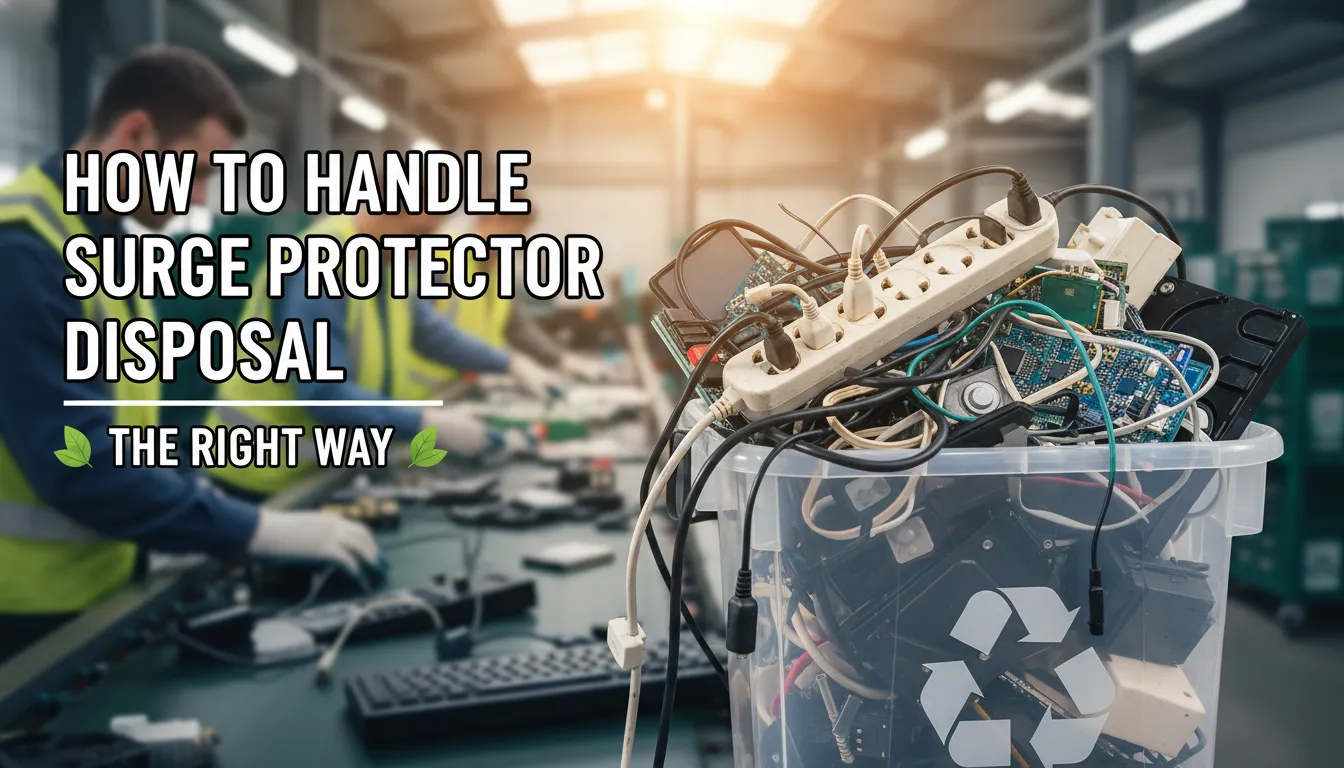
Improper disposal of surge protectors poses serious risks to both safety and the environment. These devices often contain hazardous materials like lead and cadmium, which can leach into soil and water if discarded carelessly. With global e-waste generation projected to reach 82 million tonnes by 2030, the need for responsible disposal has never been more urgent. Recycling surge protectors through proper e-waste recycling channels not only prevents environmental harm but also ensures valuable materials are reused.
Learning how to dispose of surge protectors correctly is a small yet impactful step toward reducing e-waste and protecting our planet.
Why Proper Disposal of Surge Protectors Matters
Proper disposal of surge protectors is not just a responsible choice; it is essential for safeguarding our environment and health. These devices, like other forms of electronic waste, contain materials that can harm ecosystems and human well-being if discarded improperly.
Understanding the environmental impact and the components requiring special handling helps us make informed decisions.
Environmental Impact of Improper Disposal
Improperly discarding surge protectors contributes to the growing problem of electronic waste. When these devices end up in landfills, toxic substances such as lead, cadmium, and flame retardants can seep into the soil and water. This contamination poses risks to both wildlife and humans. For example, in places like Agbogbloshie, Ghana, improper e-waste processing has led to severe water pollution, affecting natural water sources and the communities relying on them.
The environmental effects extend beyond local ecosystems. Toxic chemicals from electronic waste can enter groundwater, harming land and sea animals. Over time, this pollution disrupts food chains and threatens biodiversity. Without proper disposal, we risk exacerbating these issues, making environmental protection even more challenging.
Components of Surge Protectors That Require Special Handling
Surge protectors may seem simple, but they contain several components that demand careful handling. The internal circuitry often includes metals like copper and aluminum, which are recyclable but require specialized facilities. Hazardous materials such as lead and cadmium are commonly found in these devices. These substances can cause significant harm if released into the environment. Some surge protectors also include batteries or capacitors, which are particularly dangerous when disposed of incorrectly.
Batteries can leak harmful chemicals, while capacitors may retain electrical charges, posing safety risks during handling. Recognizing these components helps us understand why surge protectors should never be thrown in regular trash bins. Tackling these issues helps us reduce electronic waste and protect the environment.
When we dispose of electronics properly, we recycle valuable materials and safely handle dangerous substances. This benefits the planet and safeguards future generations.
How to Dispose of Surge Protectors Safely
Disposing of an old surge protector requires careful attention to ensure safety and environmental responsibility. Following a clear process helps prevent harm and promotes sustainable practices. Below is a detailed disposal guide to help you handle this task effectively.
Step-by-Step Disposal Guide
Locate local e-waste recycling centers or programs
Start by identifying a nearby recycling facility that accepts electronic waste. Many communities have designated e-waste drop-off locations where you can safely recycle electronics, including surge protectors. Retailers like Best Buy often provide recycling services at their customer service counters.
You can also check with your local sanitation department for guidance on available programs.
Use mail-in recycling services for electronics
If local options are limited, consider mail-in recycling services. These programs allow you to send your old surge protector to certified facilities for proper handling. Some manufacturers even offer free shipping for their take-back programs, making it easier to recycle responsibly.
For example, companies like Oregon Metro collaborate with manufacturers to provide convenient recycling solutions.
Contact manufacturers for take-back or recycling programs
Many manufacturers implement take-back programs to ensure safe recycling of their products. Reach out to the brand of your surge protector to inquire about such services. Some companies might offer gift cards for devices that can be refurbished or reused. This method guarantees safe recycling while promoting a circular economy. Here’s what you need for proper disposal.
What You Need for Proper Disposal
Tools for disassembly (if necessary)
Some surge protectors may require partial disassembly before recycling. Basic tools like screwdrivers can help you remove hazardous components, such as batteries or capacitors. Always follow the manufacturer’s instructions to avoid damaging recyclable parts.
Access to recycling or disposal facilities
Ensure you have access to a certified recycling facility or program. These facilities specialize in handling electronic waste and can process materials like copper, aluminum, and plastic found in surge protectors. Proper access guarantees that your device will be recycled efficiently and safely.
Safety Precautions to Follow
Remove batteries or hazardous components
Before disposing of your surge protector power strip, check for any removable batteries or hazardous components. Batteries can leak harmful chemicals, so they must be handled separately. Capacitors may retain electrical charges, posing safety risks if not discharged properly.
Ensure the surge protector is unplugged and intact
Always unplug the device and inspect it for damage before disposal. An intact surge protector is easier to handle and reduces the risk of accidental exposure to hazardous materials.
Avoid disposing of surge protectors in regular trash
Never throw a surge protector in the regular trash. These devices contain materials that can harm the environment if not recycled properly. Instead, follow the steps outlined above to ensure safe recycling. Learning how to dispose of surge protectors correctly protects both the environment and your community.
Your compliance with these instructions supports the reduction of e-waste and fosters sustainable actions.
Tips for Extending the Life of Your Old Surge Protector
Extending the lifespan of your surge protector not only saves money but also reduces electronic waste. Proper care and timely replacement ensure that your devices remain protected from electrical surges. Below are practical tips to help you maintain your surge protector and maximize its usefulness.
Proper Usage and Maintenance
Avoid overloading the surge protector
Overloading a surge protector can lead to overheating and damage. Each surge protector has a specific wattage limit, which you can usually find on the device or in its manual. Plugging in too many high-power devices at once can exceed this limit, reducing the protector’s efficiency. To prevent this, calculate the total wattage of connected devices and ensure it stays within the recommended range. This simple step keeps your surge protector functioning effectively for a longer time.
Keep it in a dry, cool environment
Moisture and heat are two of the biggest enemies of electronic devices, including surge protectors. Placing your surge protector in a damp or hot area can cause internal components to degrade faster. Always position it in a well-ventilated, dry space away from direct sunlight or heat sources.
For example, avoid placing it near radiators, windows, or humid basements. This practice not only extends its life but also ensures consistent performance.
Regular Inspections and Replacement
Check for wear and tear
Regularly inspecting your surge protector helps you identify signs of wear and tear early. Look for frayed cords, loose plugs, or burn marks, as these indicate potential hazards. If you notice any of these issues, stop using the surge protector immediately. A damaged protector cannot provide adequate safety for your devices and may even pose a fire risk.
Routine checks ensure that your surge protector remains in good condition.
Replace surge protectors after their lifespan (3-5 years)
Surge protectors do not last forever. Most have a lifespan of one to three years, depending on usage and the number of power surges they have absorbed. Over time, their internal components wear out, reducing their ability to protect your electronics. Manufacturers often include an indicator light to show whether the protector is still functional. If the light goes out or the device is older than five years, replace it promptly. Recycling the old surge protector at a certified facility ensures responsible disposal while keeping your home safe.
Taking these steps to maintain and replace your surge protector when necessary ensures that it continues to safeguard your electronics. Proper care also minimizes waste, as fewer devices end up in landfills. Remember, a well-maintained surge protector is an investment in both safety and sustainability.
Common Challenges and Mistakes in Surge Protector Disposal
Disposing of surge protectors may seem straightforward, but it comes with its own set of challenges and common mistakes. Understanding these obstacles and avoiding errors can make the process smoother and more environmentally responsible.
Challenges in Recycling Electronics
Limited availability of local recycling centers
One of the biggest hurdles in recycling surge protectors is the lack of accessible recycling facilities in many areas. Not every community has a designated center for electronic waste, which forces people to travel long distances or resort to improper disposal methods. This inconvenience discourages many from taking the extra step to recycle their old devices.
For example, rural areas often lack the infrastructure needed for proper e-waste management, leaving residents with limited options.
Lack of awareness about mail-in programs
Many people remain unaware of mail-in recycling programs that accept electronic waste, including surge protectors. These programs provide a convenient alternative for those without access to local recycling facilities. However, a survey revealed that a significant portion of consumers, businesses, and even policymakers lack knowledge about these services. This gap in awareness contributes to the growing issue of e-waste, as individuals unknowingly dispose of electronics improperly.
Educating the public about these programs can bridge this gap and encourage responsible disposal.
Mistakes to Avoid
Throwing surge protectors in regular trash
One of the most common mistakes is tossing surge protectors into regular trash bins. This action leads to harmful consequences for the environment. Surge protectors contain materials like lead and cadmium, which can leach into soil and water when they end up in landfills. These toxic substances pose risks to ecosystems and human health.
Always remember that surge protectors are classified as electronic waste and require proper recycling.
Ignoring safety precautions, such as removing batteries
Another frequent error is neglecting safety precautions during disposal. Some surge protectors include batteries or capacitors that must be removed before recycling. Batteries can leak harmful chemicals, while capacitors may retain electrical charges, creating safety hazards. Failing to address these components not only endangers handlers but also complicates the recycling process.
Always inspect your surge protector and remove any hazardous parts before disposal.
Using damaged surge protectors instead of replacing them
Many people continue using damaged surge protectors, unaware of the risks involved. A damaged device cannot effectively protect against power surges, leaving your electronics vulnerable. Worn-out surge protectors may pose fire hazards. If your surge protector shows signs of wear, such as frayed cords or burn marks, replace it immediately. Recycling the old one ensures it doesn’t contribute to e-waste.
Avoiding these mistakes and addressing the challenges in surge protector disposal can make a significant difference. By taking the time to recycle responsibly and follow safety guidelines, you contribute to reducing e-waste and protecting the environment.
Proper surge protector disposal plays a vital role in safeguarding both the environment and our health. Recycling these devices ensures hazardous materials like lead and cadmium are managed responsibly, while valuable components are reused. Follow key steps such as locating e-waste recycling centers, using mail-in programs, and practicing safety precautions. Extend the lifespan of your surge protectors through proper care to reduce waste.
Take action today by exploring local recycling options or contacting manufacturers for take-back programs. Let’s commit to reducing e-waste and protecting our planet for future generations.