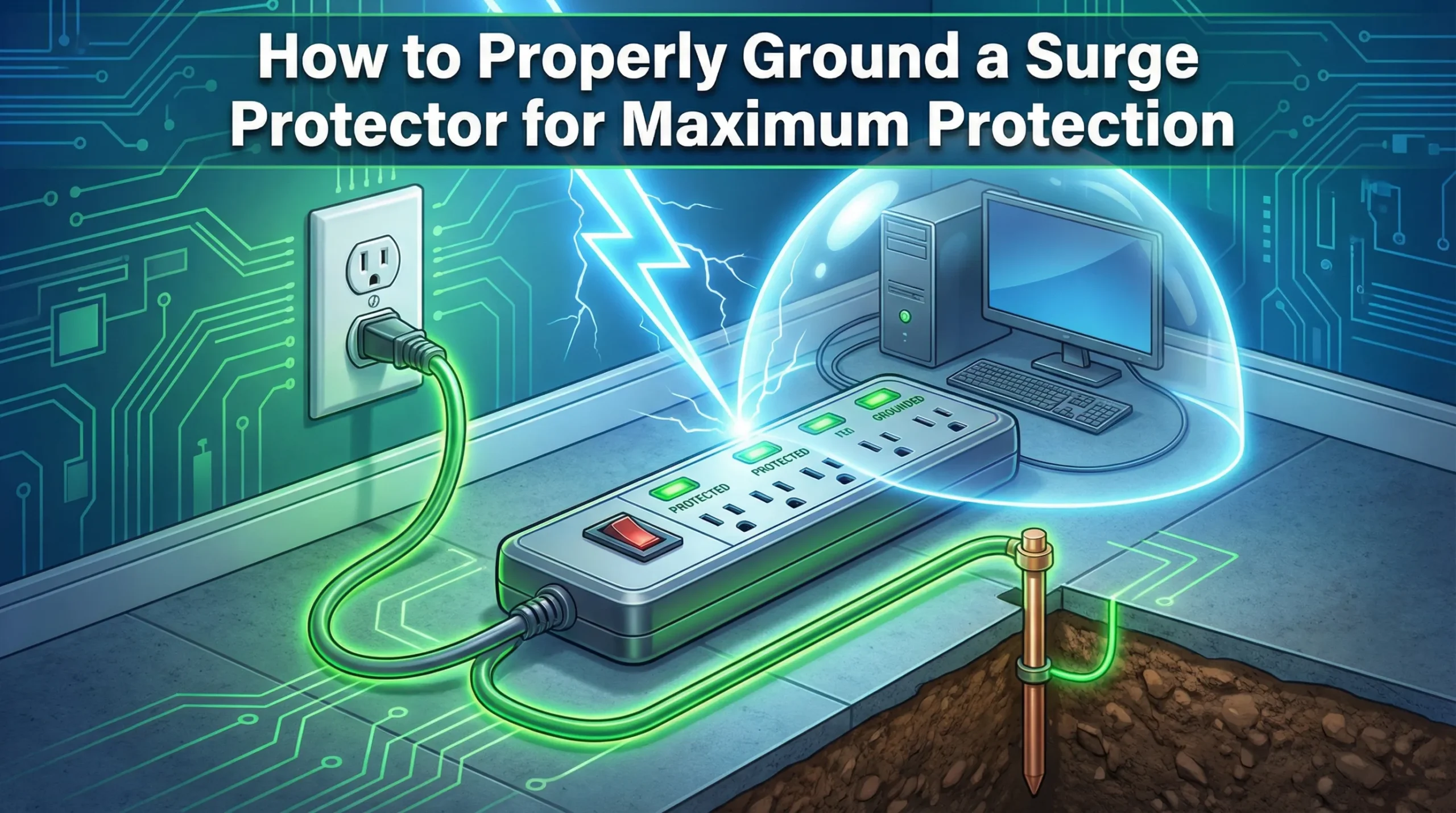
If you want to learn how to ground surge protector devices for the best protection, it’s important to keep your electronics safe from harmful power surges. Understanding how to ground surge protector equipment ensures that excess electricity is directed away, keeping your devices secure. You can follow some simple steps on how to ground surge protector units and feel confident about your setup.
Key Takeaways
-
Grounding your surge protector is very important. It keeps your electronics safe from power surges. It sends extra electricity safely into the ground.
-
Always use the right grounding wire. Connect it to the correct terminal on your surge protector. This helps the surge protector work well.
-
Test your grounding setup often with an outlet tester. A green light means the grounding is good. Other colors may show problems that need fixing.
Grounding Basics
Why Grounding Is Essential
You may ask why grounding is so important for surge protectors. Grounding lets electricity move safely into the earth. When a power surge happens, the surge protector uses grounding to send extra electricity away. This helps keep your electronics safe and working longer.
The science behind grounding is easy to understand.
When you connect your surge protector to a good ground, you make a path with little resistance for electricity. This path lowers the power of surges that come from power lines into your house. Surge protectors use this path to move dangerous currents away from your important equipment.
Here’s what happens during a surge:
-
The surge protector notices the sudden rise in voltage.
-
It quickly moves the extra current through the ground wire.
-
Your devices stay safe because the electricity takes the easiest path.
If you ground things the right way, you help your surge protector work well. Electronics like computers and TVs need this to avoid harm from sudden voltage jumps.
Risks of Improper Grounding
Bad grounding can cause serious trouble. If you skip this step or do it wrong, your surge protector might not work at all. Here are some common risks:
-
Loose or rusty ground connections stop the surge protector from sending surges away.
-
Long or messy ground wires add resistance, making grounding weaker.
-
Using the wrong wire size can slow down the response to a surge.
-
Voltage spikes may miss the protector and hurt your devices.
-
Lightning surges can get even more dangerous if grounding is not good.
You should always check your connections and use the right parts. Good grounding keeps your home and electronics safe. Bad grounding puts everything in danger.
How to Ground Surge Protector
Learning how to ground surge protector devices is easier than you might think. You just need to follow the right installation steps and pay attention to a few important details. Let’s walk through the process together.
Identify the Grounding Terminal
First, you need to find the grounding terminal on your surge protector. Most surge protective devices have a special spot for this. Here’s how you can spot it:
-
Look for a terminal marked with a green color or a ground symbol.
-
Sometimes, the label says “GND” or “Ground.”
-
The terminal is usually near the power cord or on the back of the device.
If you’re not sure, check the manual that came with your surge protector. This step is important because you want to connect the grounding wire to the right place.
Gather Tools and Materials
Before you start, gather everything you need. Having the right tools makes the job safer and faster. Here’s a handy table to help you get ready:
|
Item |
Specification |
|---|---|
|
Copper or copper-coated steel, ½ inch diameter, 8–10 feet long |
|
|
Grounding Conductors |
Short and straight, thick enough for low resistance |
|
Grounding Wire |
Use the size recommended by the surge protector instructions |
|
Outlet Tester |
Checks if your outlet is properly grounded |
|
Wrench/Screwdriver |
For tightening connections |
|
Protects your hands |
You may also need two ground rods for extra safety. Make sure your ground rod meets local rules for maximum resistance. In many places, the ground should have less than 25 ohms resistance.
Find an Approved Grounding Point
Now, you need to find an approved grounding point. This is where your surge protector will send sudden electrical surges safely into the earth. Good choices include:
-
The main electrical service ground in your home
-
Grounded building steel
-
A dedicated ground rod
-
A local electrical ground
Don’t use metallic water pipes. They are not safe for grounding and can cause problems. The approved grounding point should be close to your surge protector. This keeps the grounding wire short and straight, which helps lower resistance.
Connect and Secure the Grounding Wire
Let’s connect the grounding wire. This step is key for how to ground surge protector devices the right way. Follow these steps:
-
Strip the end of the grounding wire so you see clean copper.
-
Attach the wire to the surge protector’s grounding terminal. Make sure it’s tight and secure.
-
Run the wire straight to the approved grounding point. Avoid loops or sharp bends.
-
Connect the other end to the ground rod or ground busbar. Tighten the connection with a wrench.
-
Keep the wire as short as possible. Long wires add resistance and make grounding weaker.
Tip: Never wrap the grounding wire around other wires. This can cause interference and reduce surge protection.
Test and Verify Grounding
You want to make sure your work is solid. Testing is a big part of how to ground surge protector equipment. Here’s what you can do:
-
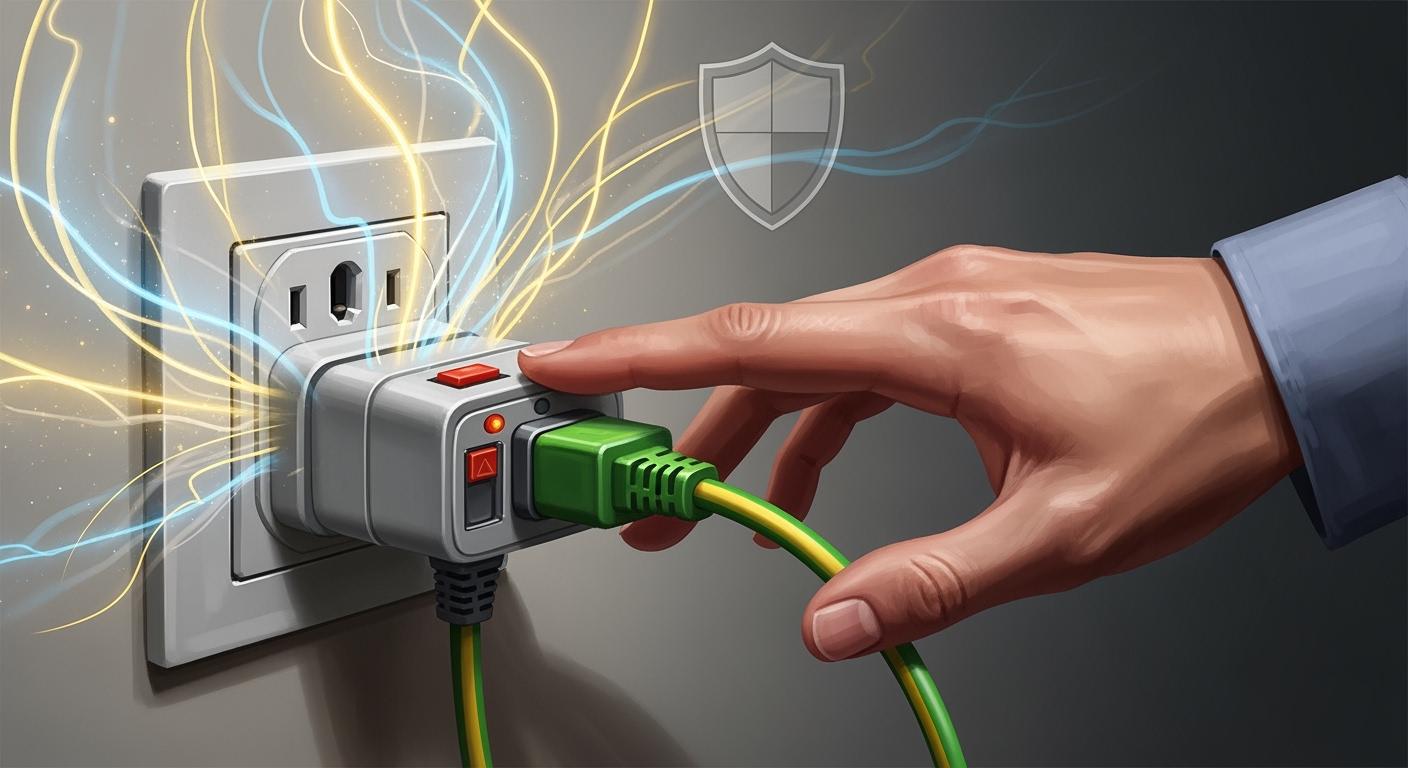
Use an outlet tester from the hardware store. Plug it into the outlet to check if it’s grounded.
-
Plug your surge protector into the outlet. If it has a ground light, make sure it turns green.
-
Measure the ground resistance with a tester. You want less than 10 ohms for best results.
-
Check the surge protector’s status window. A green light means everything works. If you see a different color, you may need to replace the device.
Note: Place the surge protector close to the ground point. This helps it work better during voltage spikes.
Grounding for Lightning Surge Protector
If you use a lightning surge protector, you need to be extra careful. Lightning surge arresters protect your home from big surges caused by storms. Here’s how to ground surge protector devices for lightning:
-
Always use a dedicated ground rod for your lightning surge protector.
-
Keep the grounding wire as short and straight as possible. This helps the device send lightning energy safely into the earth.
-
Install the lightning surge protector at the base of a pole or near the equipment you want to protect.
-
Don’t chain ground wires or use wire nuts. These can add resistance and make the device less effective.
-
Make sure the installation follows local electrical codes. You may need an electrician to check your work.
-
Use two ground rods if you live in an area with lots of storms. This gives extra safety.
-
Test the ground resistance after installation. For lightning surge arresters, you want less than 5 ohms if possible.
Safety Reminder: Proper grounding and bonding are required by law. Always check your local rules before you start. If you’re not sure, ask a licensed electrician for help.
Follow these steps to learn how to ground surge protectors like lightning surge protectors and arresters. Good grounding keeps your electronics safe from sudden electrical surges and gives you peace of mind.
Proper grounding keeps your surge protector working right and your devices safe. When you follow each step, you lower the risk of shocks and fires. If you ever feel unsure, ask a pro for help. Good grounding means fewer repairs, safer equipment, and peace of mind every day.
FAQ
How do I know if my outlet is grounded?
Plug in an outlet tester. If the lights show “correct,” your outlet is grounded. You can buy testers at any hardware store.
Can I ground a surge protector without a ground wire?
No, you need a ground wire for real protection. Without it, your surge protector cannot send surges safely away.
What should I do if my surge protector’s ground light stays off?
Unplug your devices. Check all connections. Try a different outlet. If the light stays off, call a licensed electrician for help.