Surge protectors play a critical role in shielding your electronics from unexpected voltage spikes. However, they don’t last forever. Over time, repeated exposure to electrical surges, such as those caused by lightning strikes or large appliances cycling on and off, can wear them down. These events often occur during peak electricity usage, like in the summer, and increase the risk of failure.
When a surge protector fails, your devices are at risk, which can leave you questioning the cause. Knowing why this happens allows you to take prompt action to safeguard your electronics.
Signs Your Surge Protector Is Not Working
One of the most obvious signs of a failing surge protector is when your devices refuse to power on. If you plug in your electronics and they remain unresponsive, the surge protector might no longer be delivering electricity. This could happen due to internal damage caused by repeated power surges or wear and tear.
This problem can also be caused by frequent power failures or voltage fluctuations. To confirm, try plugging the device directly into a wall outlet. If it works, the surge protector is likely the problem.
Indicator Lights Are Off or Malfunctioning
Indicator lights on a surge protector signal its operational status. When these lights are off or flickering, it often means the surge protector has absorbed its maximum energy capacity and can no longer protect your devices. Research shows that most surge protectors include LED lights to indicate active protection. These lights are crucial because they inform you when the device needs replacement.
Without this feature, you might unknowingly use a surge protector that no longer functions. If the lights are malfunctioning, it’s time to inspect or replace the unit.
|
Indicator Light Behavior |
What It Means |
|---|---|
|
Light is on |
Surge protector is functioning and providing protection. |
|
Light is off |
Protection is no longer active; the surge protector may need replacement. |
|
Light flickers |
Possible internal damage or nearing the end of its lifespan. |
Burning Smell or Visible Damage
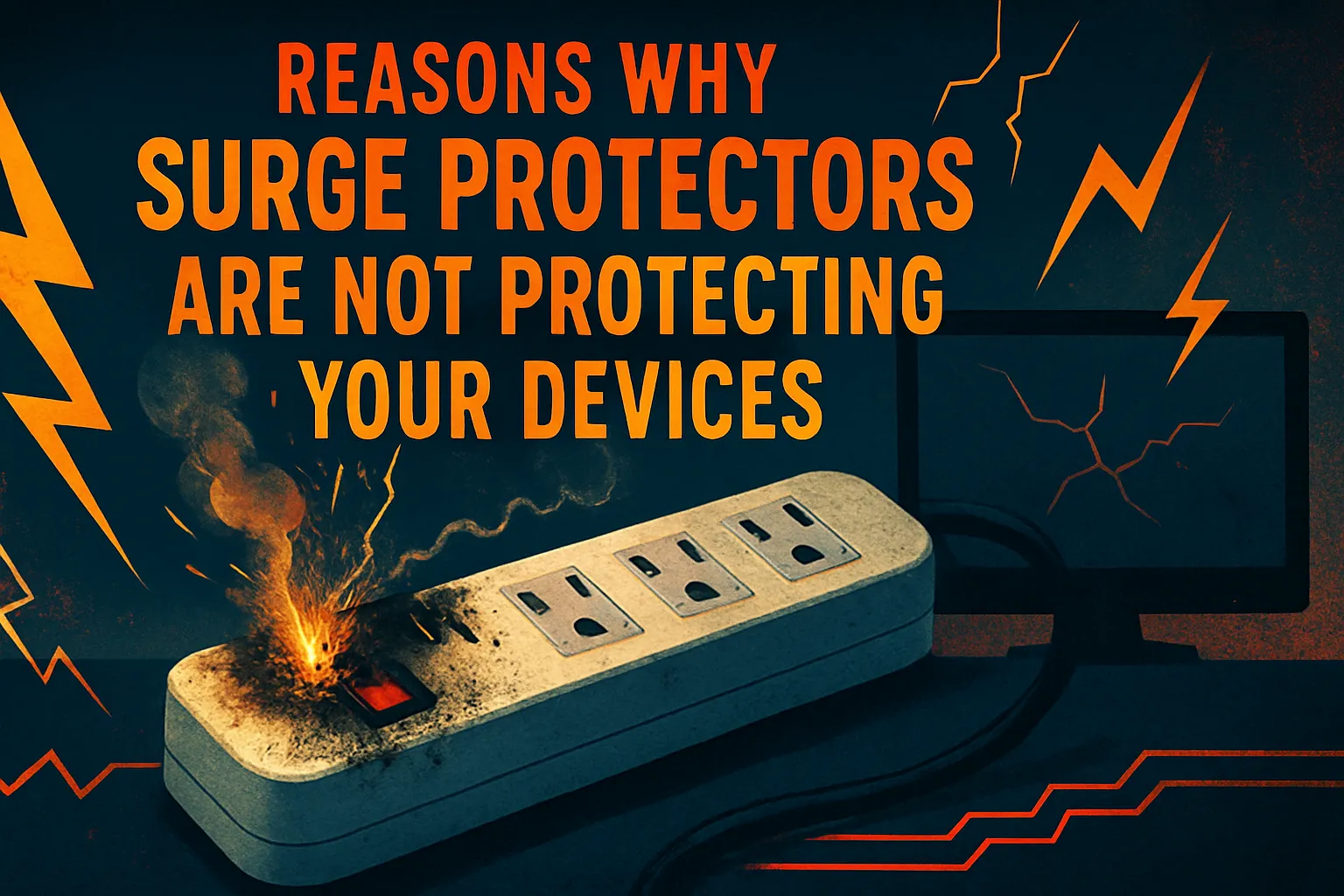
A burning smell or visible damage is a clear warning sign that your surge protector has failed. You might notice unusual noises, sparks, or even deformation in the device. These signs often indicate that the internal components have overheated or short-circuited. Sparks or corrosion around the outlets are dangerous and could lead to electrical fires.
If you detect any of these issues, stop using the surge protector immediately. Continuing to use a damaged unit puts your devices and home at risk.
Frequent Tripping or Resetting
Frequent tripping or resetting of your surge protector is a clear sign that something is wrong. A properly functioning surge protector should only trip when it detects a power surge or overload. If it trips repeatedly without any apparent cause, it may indicate internal damage or wear. This behavior often points to a failing surge protection mechanism.
Several warning signs accompany frequent tripping, including:
-
Random trips or faults in the system.
-
Burnt or damaged internal components.
-
Reduced efficiency in protecting connected devices.
-
Unusual noises, sparks, or smells from the surge protector.
-
Visible corrosion, cracks, or deformation on the device.
These issues suggest that the surge protector is no longer reliable. Internal components, such as metal oxide varistors (MOVs), degrade over time. Once they lose their ability to absorb surges, the device may trip unnecessarily or fail to protect your electronics. Ignoring these signs can leave your devices exposed to electrical damage.
To confirm the problem, test the surge protector with a different outlet or device. If the tripping persists, it’s time to replace it. Continuing to use a faulty surge protector increases the risk of electrical fires or permanent damage to your electronics.
Devices Are Damaged Despite Using the Surge Protector
A surge protector’s primary job is to shield your devices from voltage spikes. If your electronics sustain damage while connected to one, the surge protector has likely failed. This failure often occurs when the device has exceeded its joule rating, which measures its capacity to absorb energy from surges.
When a surge protector reaches its limit, it can no longer provide adequate protection. This situation becomes dangerous because you might not notice the failure immediately. Some surge protectors include indicator lights to warn you when protection is no longer active. If your unit lacks this feature, you may unknowingly continue using it, putting your devices at risk.
To prevent further damage, inspect the surge protector for signs of failure.
Look for burn marks, melted plastic, or unusual smells. Test the unit with a low-value device to check if it still functions. If you notice any issues, replace the surge protector immediately.
Investing in a high-quality model with a higher joule rating can provide better protection for your valuable electronics.
Why Is My Surge Protector Not Working? Common Causes
Wear and Tear Over Time
Surge protectors don’t last forever. Over time, their internal components degrade due to repeated exposure to electrical surges. These surges, whether caused by lightning, power grid switching, or large appliances cycling on and off, gradually wear down the device’s protective capacity. Research shows that the typical lifespan of surge protectors ranges from 2 to 3 years.
However, in high-temperature or humid environments, this lifespan can drop to just 1 to 2 years.
As the device ages, its ability to absorb energy diminishes. This means it can no longer protect your electronics effectively. If your surge protector is older than three years, consider replacing it, especially if it has been exposed to frequent power surges.
Damage from Power Surges
Power surges are one of the most common reasons for surge protector failure. These surges can originate from external sources like lightning strikes or downed power lines, as well as internal sources such as faulty wiring or high-powered appliances. Lightning-based power surges can reach up to 10,000 amperes, while power line surges often measure around 6,000 volts and 3,000 amperes.
When a surge protector absorbs a significant surge, its internal components, such as metal oxide varistors (MOVs), may burn out. This damage reduces its capacity to handle future surges. If your devices remain unprotected after a surge, the surge protector has likely exceeded its joule rating and needs replacement.
Overloaded Circuits or Improper Use
Improper usage or overloaded circuits can also cause surge protectors to fail. Plugging too many high-powered devices into a single surge protector can lead to overheating and damage. Consumer reports highlight that excessive voltage rise or misapplication often results in overheating, cracking, or even holes in the device’s housing.
|
Failure Mechanism |
Indicators |
Causes |
|---|---|---|
|
Overheating |
Cracks, flashover, or housing damage |
Excessive voltage or aging of components |
|
Disk degradation |
Changes in characteristics or failure |
Misapplication or loss of neutral |
To avoid these issues, always check the wattage of your devices and ensure the total load doesn’t exceed the surge protector’s capacity. Using a high-quality surge protector with a higher joule rating can help prevent failures caused by overloaded circuits.
Manufacturing Defects or Low-Quality Build
Not all surge protectors are created equal. Manufacturing defects or low-quality builds can significantly impact their performance and reliability. If your surge protector fails prematurely, it might be because of substandard materials or poor quality control during production. Low-quality surge protectors often lack the durability and precision needed to handle power surges effectively, leaving your devices vulnerable.
Industry standards like IEC 61643-11, IEC 61643-21, and UL 1449 set rigorous requirements for surge protectors. These standards ensure devices undergo thorough testing to meet safety and performance benchmarks. Some of the critical tests include:
-
Nominal Discharge Current Test: Verifies the surge protector’s ability to handle expected surge currents.
-
Maximum Discharge Current Test: Assesses its capacity to withstand extreme surge conditions.
-
Voltage Protection Level Test: Measures how effectively the device limits voltage spikes to safeguard connected electronics.
|
Test Type |
Purpose |
|---|---|
|
Nominal Discharge Current Test |
Ensures SPD can handle expected surge currents. |
|
Maximum Discharge Current Test |
Tests SPD’s ability to withstand extreme surge conditions. |
|
Voltage Protection Level Test |
Assesses the SPD’s effectiveness in limiting voltage spikes to protect connected devices. |
When purchasing a surge protector, always look for certifications that indicate compliance with these standards. A certified device ensures better protection and reduces the risk of failure due to manufacturing flaws. If you suspect your surge protector isn’t working as expected, consider whether it might be a low-quality product.
Investing in a reliable, well-built surge protector can save you from costly device repairs or replacements.
Exceeding the Surge Protector’s Joule Rating
Every surge protector has a joule rating, which shows the amount of energy it can absorb before failing. Exceeding this rating is one of the most common reasons for a surge protector to stop working. When a surge protector absorbs energy from power surges, its capacity diminishes over time. Each surge depletes the available joules, and once the limit is reached, the device can no longer protect your electronics.
For example, if your surge protector has a joule rating of 1,000 and it absorbs multiple small surges totaling 1,000 joules, it becomes ineffective. This cumulative effect means that even minor surges can eventually render the device useless. Without proper protection, your devices face a higher risk of damage during future surges.
The joule rating also determines how well a surge protector can handle large, sudden spikes in voltage. If a surge exceeds the protector’s capacity, the excess energy can flow through to your devices, causing potential harm. To avoid this, choose a surge protector with a higher joule rating, especially if you live in an area prone to frequent power surges or use high-powered electronics.
How to Troubleshoot a Non-Working Surge Protector
Check the Reset Button
The reset button is one of the first things you should inspect when your surge protector stops working. Many surge protectors include a built-in circuit breaker that trips during a power surge or overload. This mechanism prevents further damage to connected devices. Press the reset button firmly to see if it restores functionality.
If the button doesn’t click or the surge protector remains unresponsive, the internal components may have failed.
To ensure the reset button works correctly, follow these steps:
-
Disconnect all devices from the surge protector.
-
Press the reset button and listen for a click.
-
Plug in a single low-power device to test functionality.
If the surge protector still doesn’t work after resetting, move on to the next troubleshooting step.
Test the Surge Protector in a Different Outlet
Sometimes, the issue lies with the wall outlet rather than the surge protector itself. Testing the surge protector in a different outlet helps determine whether the problem is with the power source. Plug the surge protector into a known working outlet and connect a simple device, such as a lamp or phone charger.
If the device powers on, the original outlet may have faulty wiring or insufficient voltage.
Faulty electrical wiring often triggers power surges, which can damage surge protectors over time. If you suspect the outlet is the issue, consult a licensed electrician to inspect and repair it. This step ensures your surge protector operates in a safe and stable environment.
Inspect for Physical Damage or Burn Marks
Physical damage is a clear indicator of a malfunctioning surge protector. Look for burn marks, melted plastic, or discoloration around the outlets. These signs often result from overheating or internal component failure. Burn marks on the breaker itself suggest the surge protector has experienced significant stress, possibly due to frequent power surges or overloads.
Here are some common signs of physical damage:
-
Burn marks or charred areas on the housing.
-
Buzzing sounds or unusual odors when the surge protector is in use.
-
Cracks or deformation in the plastic casing.
If you notice any of these issues, stop using the surge protector immediately. Continuing to use a damaged unit increases the risk of electrical fires and further damage to your devices.
Replace the surge protector with a high-quality model that meets safety standards to ensure reliable protection.
Verify the Indicator Lights
Indicator lights on a surge protector serve as a quick and reliable diagnostic tool. These lights let you know whether the device is still providing protection or if it has reached the end of its lifespan. If the indicator light is off, flickering, or behaving abnormally, it often signals that the surge protector is no longer functioning as intended.
To check the indicator lights, follow these steps:
-
Disconnect all devices from the surge protector.
-
Plug the surge protector into a working outlet.
-
Observe the behavior of the indicator lights.
A functioning surge protector typically displays a steady light, confirming active protection. If the light is off or flickering, the internal components may have degraded. Some models, like the APC Surge Arrest P8VT3, include diagnostic LED lights that clearly indicate the operational status of surge protection. This feature ensures you know when your equipment is safeguarded against power surges.
|
Indicator Light Status |
What It Means |
|---|---|
|
Steady light |
Surge protector is operational. |
|
Light off |
Protection is no longer active. |
|
Flickering light |
Internal damage or nearing end of lifespan. |
If the indicator light suggests a problem, replace the surge protector immediately. Continuing to use a faulty unit leaves your devices vulnerable to electrical damage.
Test with a Different Device
Sometimes, the issue lies with the device you are testing rather than the surge protector itself. To rule this out, connect a different device to the surge protector. Choose a simple, low-power device like a lamp or phone charger. If the new device powers on, the surge protector is likely working, and the original device may have its own issues.
If the second device also cannot power on, the surge protector might be the problem. This step helps you isolate the issue and avoid unnecessary replacements. Testing with multiple devices ensures you accurately diagnose the problem and take appropriate action.
When to Replace Your Surge Protector
It’s Older Than 2-3 Years
Surge protectors have a limited lifespan. Over time, their internal components degrade, reducing their ability to shield your devices from power surges. If your surge protector is older than two to three years, especially in areas with high humidity or frequent thunderstorms, it may no longer provide adequate protection.
Studies show that harsh outdoor conditions can shorten a surge protector’s lifespan to as little as one year. In moderate environments, they might last up to three years. Each surge absorbed by the device diminishes its protective capacity. Even without visible damage, older surge protectors may fail silently, leaving your electronics vulnerable.
Regular replacement ensures your devices remain protected.
Visible Damage or Burn Marks
Physical damage is a clear sign that your surge protector needs replacement. Cracks, scorch marks, or melted plastic indicate overheating or internal failure. These issues often result from absorbing large surges or being exposed to overloaded circuits. Burn marks on the housing or outlets suggest the device has been under significant stress.
Inspect your surge protector for the following signs:
-
Cracks or deformation in the casing.
-
Scorch marks or discoloration near the outlets.
-
Burnt or damaged wires.
These symptoms indicate that the surge protector can no longer function safely. Continuing to use a damaged unit increases the risk of electrical fires. Replacing it immediately ensures the safety of your devices and home.
Indicator Lights Are Not Functioning
Indicator lights on surge protectors play a vital role in monitoring their performance. When these lights stop working, it often signals a failure in the protective components. Non-functioning lights mean the surge protector may no longer shield your devices from voltage spikes.
Quality surge protectors often include LED indicators that alert you when the device has absorbed a surge or reached the end of its lifespan. Without these lights, you might unknowingly use a nonfunctional surge protector. Regularly check the indicator lights to ensure they are operational.
If they are off or flickering, replace the surge protector immediately to maintain protection for your electronics.
It No Longer Provides Protection After a Surge
A surge protector’s primary job is to absorb excess energy from power surges. However, after a significant surge, it may no longer provide the protection your devices need. This happens because the internal components, such as metal oxide varistors (MOVs), degrade or burn out when they absorb a large amount of energy. Once these components fail, the surge protector becomes ineffective.
You might not notice this failure immediately. Many surge protectors lack a clear indicator to show when their protective capacity has been exhausted. If your devices remain unprotected after a surge, the surge protector has likely reached its limit. Continuing to use it puts your electronics at risk of damage during future surges.
To determine if your surge protector has failed, check for the following signs:
-
Indicator lights are off or malfunctioning.
-
Burn marks or melted plastic on the device.
-
Devices connected to it are damaged after a surge.
Replacing your surge protector after a major surge ensures your devices remain safe. Consider investing in a model with a higher joule rating and clear indicator lights. These features help you monitor its status and provide better protection for your electronics.
Surge protectors are essential for protecting your electronics, but they need regular maintenance to function correctly. Inspect them periodically for wear and replace them as needed. Investing in a high-quality surge protector offers several benefits.
-
Comprehensive coverage for all connected devices.
-
Continuous protection, even when you’re away.
-
Long-term cost savings by preventing expensive repairs or replacements.
Maintaining your surge protector ensures your devices stay protected from unexpected voltage spikes, saving you from costly damage and stress.