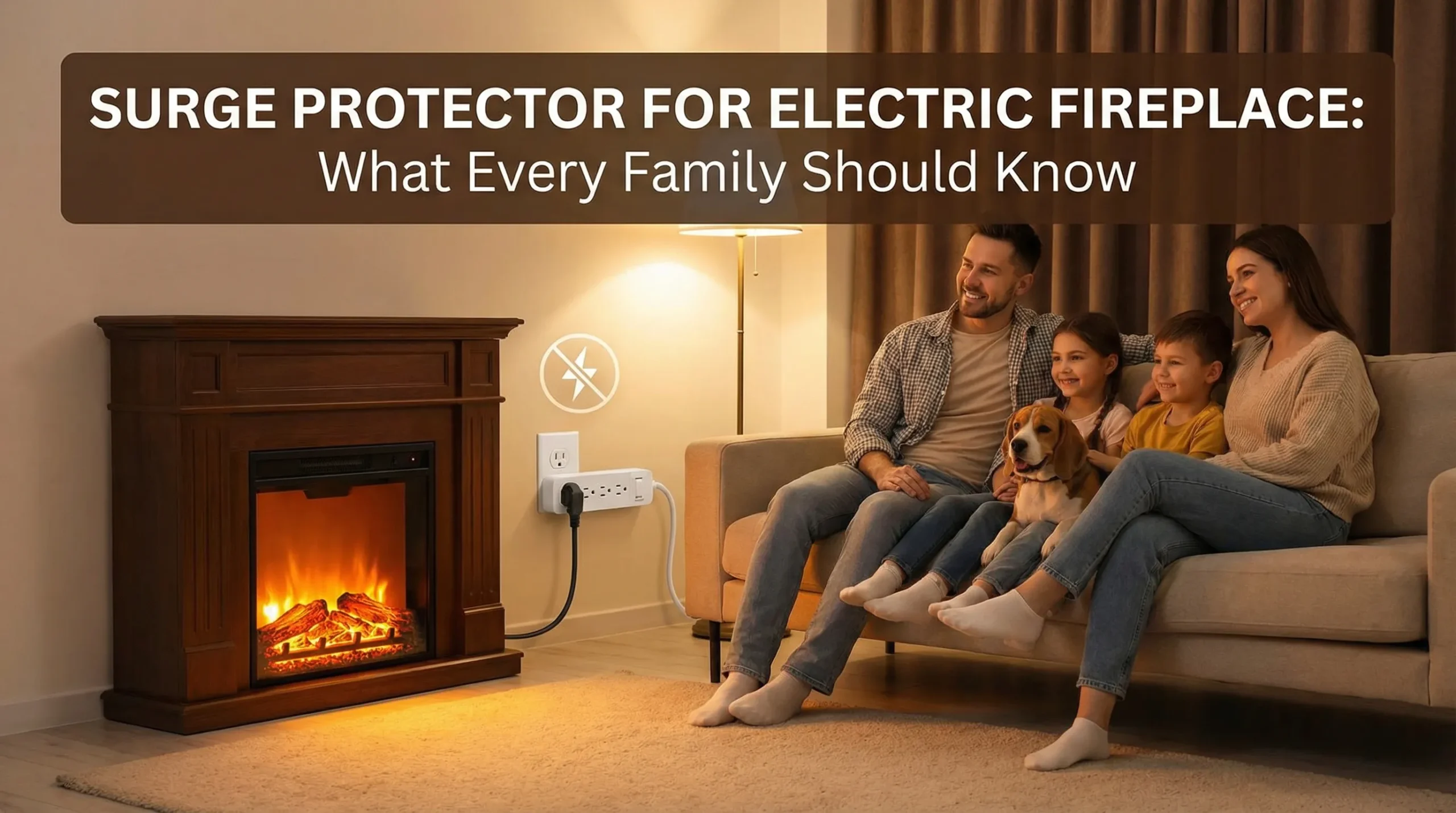
You might wonder if using a surge protector for electric fireplace is safe. Most experts say no. Major manufacturers urge you to plug your electric fireplace directly into a wall outlet. Following safety guidelines keeps your family safe. GFCI outlets offer extra safety.
Let’s look at the safety risks next.
Key Takeaways
-
Always plug your electric fireplace directly into a wall outlet. This prevents overheating and reduces fire risks.
-
Avoid using surge protectors or extension cords with electric fireplaces. They can overload and create serious safety hazards.
-
Regularly inspect your electric fireplace for damage and keep it clean. This ensures safe operation and prolongs its lifespan.
Electric Fireplace Safety Risks
You want your home to feel cozy and safe. After learning that plugging your electric fireplace directly into a wall outlet is best, you might wonder why. Let’s break down the main risks and see how you can protect your family.
Power Surge and Appliance Damage
Electric fireplaces use a lot of power. When you plug them into a surge protector or extension cord, you risk overheating and electrical malfunction. Surge protectors are not made for high-wattage appliances. Electric fireplaces can draw up to 2,500 watts or more, which can overload most surge protectors. This can lead to appliance damage or even fire hazards. Extension cords that aren’t rated for high power demands can also cause problems. You want to avoid overloaded electrical circuits because they increase the risk of fire.
Here are some features that boost electric fireplace safety:
-
Cool-to-the-touch surfaces help prevent burns, especially for kids and pets.
-
Automatic shut-off stops overheating and reduces fire risks.
-
Child safety locks keep settings secure in homes with young children.
-
CSA or UL certification means your unit meets trusted safety standards.
-
Wall-mounted or recessed options limit access for children and pets.
-
Tip-over protection is key for freestanding models.
Circuit Overload Hazards
Plugging your electric fireplace into a wall outlet keeps the power flow steady. Using surge protectors or extension cords can cause circuits to overload. This increases the risk of fire and appliance failure. You want to follow fireplace safety guidelines and avoid daisy-chaining devices.
Let’s compare electric fireplace safety to other heating appliances:
|
Feature |
Electric Fireplaces |
Space Heaters |
|---|---|---|
|
Real Flames |
No |
Yes |
|
Fire Hazard Risk |
Low |
High |
|
Sparks and Embers |
None |
Possible |
|
Carbon Monoxide Production |
None |
Possible |
|
Safety Features |
Overheat protection, timer, cool-to-touch |
Varies by model |
|
Suitable for Kids/Pets |
Yes |
Caution required |
You see that electric fireplace safety stands out. You get less risk of fire and no carbon monoxide. Still, you need to use the right outlet and avoid surge protectors to keep your family safe.
Surge Protector for Electric Fireplace: Is It Safe?
You probably have questions about whether you can use a surge protector for electric fireplace. Maybe you want to protect your electric fireplace from unexpected power surges or electrical spikes. You might have seen conflicting advice online or in your owner’s manual.
Let’s clear up the confusion and help you make the safest choice for your home.
Manufacturer Guidelines and Wattage Limits
Manufacturers set clear rules for electric fireplace safety. Most recommend plugging your electric fireplace directly into a dedicated wall outlet. This keeps the power steady and reduces the risk of overheating or electrical fires. You should always check your owner’s manual for specific instructions.
Here’s what you need to know about wattage limits:
-
Electric fireplaces usually consume between 1,000 and 2,000 watts per hour.
-
Some models can draw up to 2,500 watts or more, especially when running at full heat.
-
Standard surge protectors are designed for devices that use less than 500 watts, like computers or TVs.
If you plug your electric fireplace into a surge protector, you risk overloading the device. This can cause the surge protector to overheat, trip, or even fail. You want to avoid extension cords and power strips, too. They aren’t built for high-wattage appliances and can create fire hazards.
Manufacturer guidelines vary. Some electric fireplace models allow surge protectors, but most prohibit them for safety reasons. If your electric fireplace generates heat, you must use a dedicated outlet. Surge protectors and extension cords are not safe options.
Tip: Always check your electric fireplace’s manual before plugging it into anything other than a wall outlet. If you’re unsure, contact the manufacturer or a licensed electrician.
Why Surge Protectors Are Not Recommended
You might think a surge protector for electric fireplace is a smart idea. After all, power surges can damage electronics and appliances. But electric fireplaces are different from your laptop or phone charger.
Here’s why surge protectors are not recommended:
-
Electric fireplaces draw much more power than surge protectors can handle. Most surge protectors max out at 500 watts, while electric fireplaces can use up to 2,500 watts.
-
The heating elements inside your electric fireplace generate intense heat. This increases the risk of the surge protector overheating and causing electrical malfunctions or fires.
-
Using extension cords or surge protectors not rated for high-wattage appliances poses serious safety risks.
In rare cases, a surge protector might be safe for your electric fireplace. If you live in an area with frequent storms or unstable power, a high-quality surge protector can help protect your fireplace’s control system from electrical surges or sudden drops. These fluctuations can confuse the fireplace’s electronics and cause unexpected behavior.
But you must use a surge protector rated for high-wattage appliances and approved by your fireplace’s manufacturer.
Home insurance usually covers electrical fires, but it may not cover damage from power surges unless you use surge protection. Surge protectors can help prevent damage to appliances and electronics, which can influence insurance claims. Investing in surge protection can protect your finances and your electric fireplace, but only if you follow manufacturer guidelines.
Note: If your electric fireplace’s manual says “no surge protector,” stick to a dedicated wall outlet. This is the safest way to enjoy your fireplace and keep your family protected.
You want to prioritize electric fireplace safety. Plug your electric fireplace directly into a wall outlet. Avoid surge protectors unless your manufacturer specifically approves them. This keeps your home cozy and safe, and helps you avoid costly mistakes.
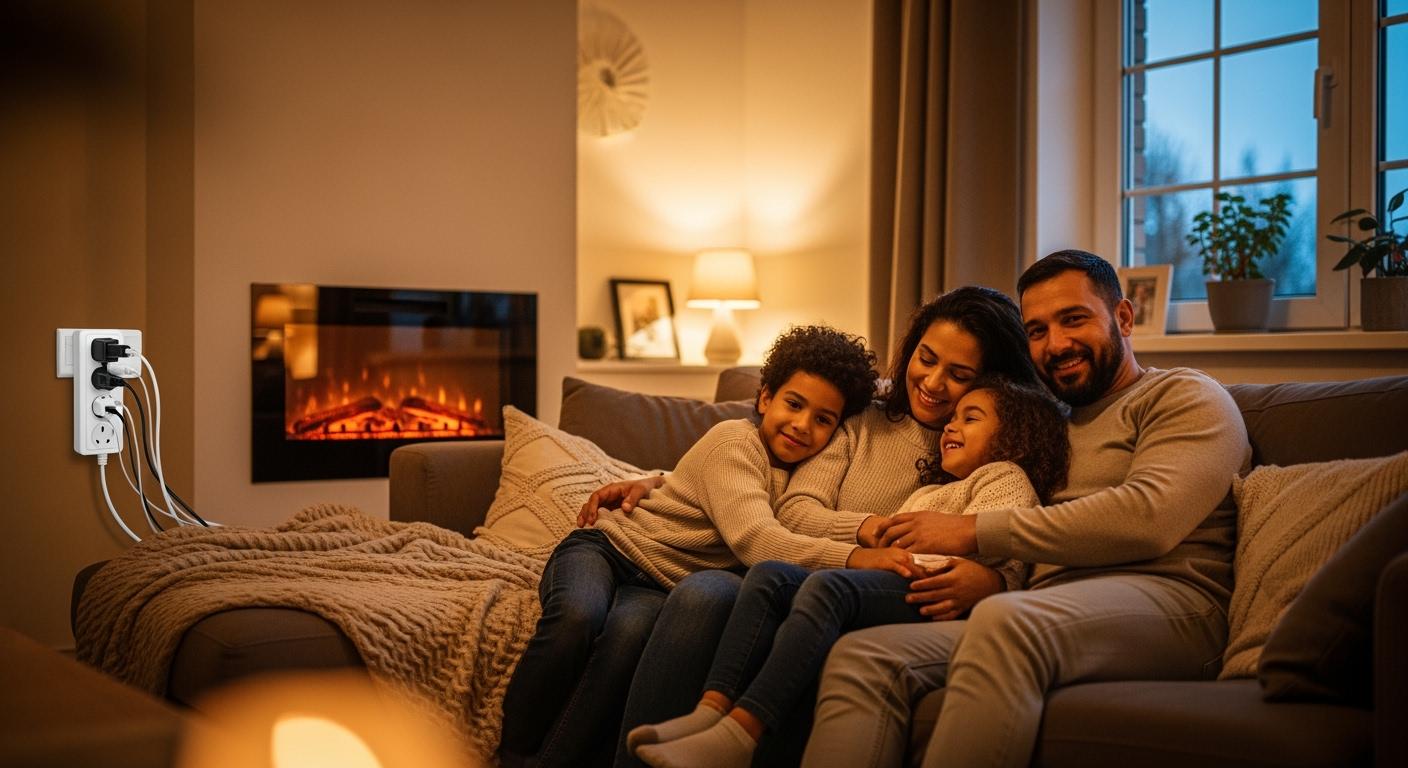
Safe Practices for Fireplace Safety
You want your electric fireplace to keep your home warm and safe. After learning about the risks, you can take simple steps to boost fireplace safety and protect your family.
Dedicated Outlet Use
Plug your electric fireplace into a dedicated electrical outlet or dedicated receptacle. This reduces the risk of electrical overload and keeps the power steady. You avoid overheating, short circuits, and fire hazards. Never daisy-chain devices or use power strips. These mistakes can lead to dangerous situations. You should keep safe clearance from combustibles. Maintain at least three feet between your electric fireplace and anything flammable. This helps prevent overheating and fire.
Always check local building codes and make sure your electric fireplace is certified. If you install in a wet area, use a GFCI outlet for extra safety.
Regular Inspection and Maintenance
You need to check your electric fireplace often. Look at the power cord for damage. Clean the glass panel and vents daily. At the start and end of the heating season, vacuum air intake vents and check for obstructions. Once a year, inspect for loose cords, strange noises, and the condition of LED bulbs. Keep hands dry when operating controls.
Do not modify the plug. Only use manufacturer-approved parts for replacements. Neglecting to clean the heating element or failing to inspect wiring can lead to hazards.
Make sure you maintain proper clearance around the unit.
You keep your family safe when you plug your electric fireplace directly into a wall outlet. Always follow the manufacturer’s instructions and skip surge protectors or extension cords. Modern electric fireplaces offer cool-to-touch surfaces and overheat protection. Stay updated with trusted fireplace safety resources and check your setup often for peace of mind.
FAQ
You might still have a few questions about electric fireplace safety. Here are some quick answers to help you feel confident about your setup.
Can I leave my electric fireplace on overnight?
You should not leave it on overnight. Use the auto shut-off feature if your model has one. This keeps your home safe while you sleep.
What safety features should I look for in an electric fireplace?
Look for built-in overheating protection, cool-to-touch surfaces, and child safety locks. These features help prevent accidents and keep your family safe.
Do electric fireplaces need special maintenance?
You should clean the vents and check the power cord regularly. Always follow the manufacturer’s instructions for safe operation and maintenance.