When lights flicker during a storm or an electronic device suddenly stops working, it’s tempting to blame a power surge. A surge is one possible cause, but a failed device or tripped breaker doesn’t prove that a surge occurred, or that the home’s wiring was damaged. Surges can arise from different events, including nearby lightning activity, utility switching, and equipment turning on or off; their effects depend on the event and the electrical system.
A surge can affect plugged in electronics without damaging the home’s wiring, and possible damage may not be obvious. This guide explains how surges can stress wiring and equipment, which warning signs deserve attention, and how surge protection can help reduce risk.
Key Takeaway
A surge can stress wiring insulation and connected equipment, but damage is neither inevitable nor always visible. Appropriate surge protection can lower risk; warning signs or recurring electrical problems call for a qualified electrician rather than a guess about the cause.
What a power surge is and what it is not
A power surge is a short lived increase in voltage. It can occur during nearby lightning activity, utility switching, or when equipment with a motor switches on or off. The size and duration of the event, the condition of the electrical system, and the protection in place all affect what happens.
The IEEE guide to surge environments in low voltage AC power circuits describes why electrical systems can encounter different kinds of transient events.
The temporary increase in power voltage in NOT an outage, or a brownout, when voltage drops; and an overload, when a circuit draws more current than it is designed to carry. A short circuit is an unintended low resistance path for current. These problems can have overlapping signs, such as equipment shutting off or a breaker tripping, but they are not interchangeable, and a symptom alone does not identify the cause.
Think of a surge as an unusual burst of pressure in a system. The analogy helps explain why a brief event can strain parts that normally carry electricity safely. But voltage is not water pressure: the effect also depends on the current, energy, duration, and path through the system.
A short surge may leave no noticeable mark, while a severe event can cause immediate failure.
How a surge can affect wiring
Electrical wire is covered with insulation to keep current on its intended path. Connections, outlets, and components in appliances also have limits on the voltage they can withstand. When voltage rises sharply, the extra electrical stress can challenge those limits.
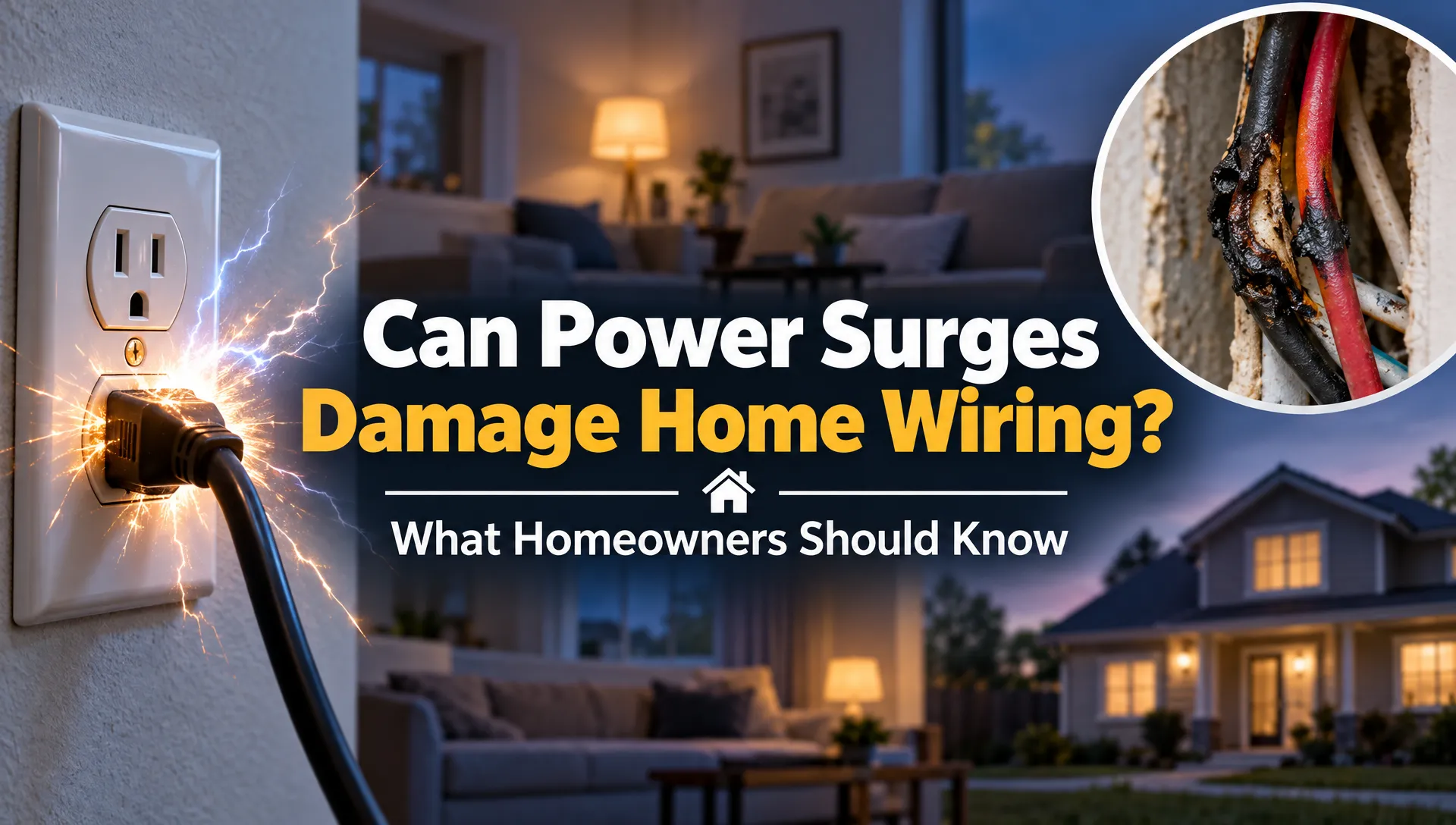
If stress is high enough, insulation or a component can fail. Current may then take an unintended path, potentially causing arcing, overheating, or a fault. In an appliance, the vulnerable part may be an electronic power supply rather than the house wiring.
A severe event could also damage a connection or insulation in the building’s electrical system.
The outcome is not always immediate or visible. Some surges may cause an abrupt failure; lesser events may affect sensitive components without producing an obvious sign. Repeated stress can contribute to wear in vulnerable equipment, but that does not mean every surge progressively damages household wiring. Nor can a homeowner determine from a single symptom whether hidden insulation damage has occurred.
A surge can also pass through wiring without damaging it. Modern electrical systems and connected equipment vary, and protective devices may reduce the voltage reaching them. The Electrical Safety Foundation International explains common sources of surges and the role of surge protection.
Possible clues and safer next steps
The signs below can justify caution, but none proves that a surge caused the problem. Loose connections, worn equipment, overloaded circuits, and other electrical faults can produce similar symptoms.
| What you notice | Possible explanation | Safer next step |
|---|---|---|
| Several devices stop working after a suspected event | A surge may have damaged devices, but a tripped circuit or another fault could also be involved | Unplug affected equipment if it is safe to do so; have recurring or unexplained problems assessed |
| A breaker trips repeatedly | Overload, short circuit, damaged equipment, or another fault; not proof of surge damage | Do not keep resetting it. Contact a qualified electrician |
| An outlet or switch is discolored, unusually warm, or damaged | A loose connection, overload, or other wiring problem may be present | Stop using it and arrange a professional inspection |
| A burning smell, smoke, sparks, or crackling | Possible overheating, arcing, or fire risk | Move away. If there is smoke or fire, call emergency services; do not touch the outlet or wiring |
| A power strip or surge protector shows damage or a warning light | The device may have reached the end of its service life or may have been damaged | Follow its instructions and replace it if indicated; do not rely on a damaged unit |
Circuit breakers are designed to interrupt certain unsafe current conditions, such as overloads and short circuits. They are not a general purpose detector of surge damage. Likewise, a device that still works is not proof that its wiring is undamaged.
Reducing risk
Surge protection can reduce risk, but no device makes a home immune to lightning or every electrical disturbance.
A whole home surge protective device (SPD) is installed at or near the electrical service equipment by a qualified professional. It can limit some transient voltages entering through the electrical supply.
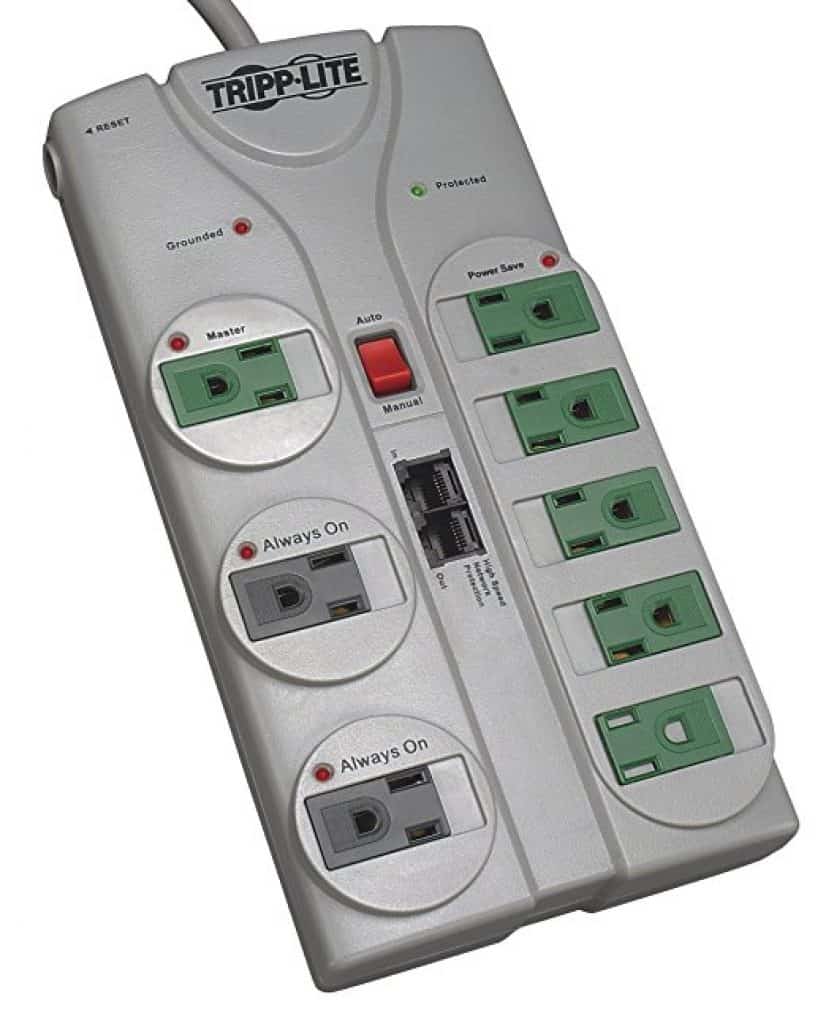
A point of use protector, often a plug in strip, adds protection for equipment connected to it. Used together, these approaches can provide protection at more than one point, but their effectiveness depends on the product, installation, wiring, and event.
When choosing a plug in unit, check that it is specifically identified as a surge protective device, follow its instructions, and pay attention to any status indicator or replacement guidance. A basic power strip that only adds outlets may not provide surge protection. For installation or product choices, an electrician can account for the home’s service, grounding, and connected equipment. UL’s overview of surge protective devices explains the devices and their safety listing.
Grounding and bonding are essential parts of a properly installed electrical system, but a surge protector is not a substitute for sound wiring or required safety devices. Residential electrical services include several safety considerations, including grounding, bonding, disconnects, and surge protective devices. Do not attempt to add, repair, or alter grounding or wiring yourself. Avoid overloading outlets, and replace damaged cords and devices rather than continuing to use them. After a suspected major event, consider professional inspection if outlets or switches look damaged, problems recur, or multiple circuits or hardwired equipment are affected.
A homeowner generally cannot gauge the surge’s strength or rule out hidden damage by looking at an outlet. If there is heat, smoke, sparking, or a burning smell, treat it as an urgent safety concern, not a routine troubleshooting problem.
Final Thoughts
A brief voltage spike does not automatically mean a home’s wiring is unsafe. Take unusual heat, damage, or burning odors seriously, and leave uncertain or hazardous electrical safety problems to qualified professionals.
FAQ
Can a power surge damage wiring even if no appliance stops working?
It is possible, but a surge does not necessarily damage wiring, and the absence of a failed appliance does not confirm that everything is unharmed. Whether wiring or equipment is affected depends on the event and the electrical system. If you notice warning signs or recurring problems, have them assessed.
How can I tell whether a surge damaged my home’s wiring?
There is no reliable way to diagnose hidden wiring damage from symptoms alone. Discoloration, unusual heat, repeated breaker trips, or equipment failures may indicate an electrical problem, but they can have causes other than a surge. A qualified electrician can inspect the affected areas.
Can a surge protector prevent all surge related damage?
No. An SPD can reduce some surge stress, but protection depends on the device, installation, system conditions, and event. A plug in protector does not make equipment immune to lightning or every electrical disturbance.
Should I have an electrician inspect my home after a suspected major surge?
Yes, especially if multiple circuits or hardwired equipment are affected, a breaker keeps tripping, or you see damage or notice unusual heat. An electrician can check for problems that are not apparent from a quick visual inspection.
What should I do if I notice heat, sparks, smoke, or a burning smell?
Move away and do not touch the outlet, device, or wiring. If there is smoke or fire, call emergency services. Do not attempt a DIY repair; have the electrical problem assessed by a qualified professional.