Power surges may seem rare, but they happen more often than most people think. Many are small and silent. You do not see the lights flicker. Yet these tiny spikes can stress power supplies, chips, and motors. Over time they wear down your electronics. A large spike can ruin a device in an instant. Modern homes face this more today. Smart appliances and chargers switch on and off all day. Each start can create a brief jump in voltage.
Storms and grid events can also push bigger spikes from outside. You might only notice the signs later, when a device glitches or fails.
This guide explains how often surges occur, where they come from, what to watch for, and how to protect your home. You will see simple steps that make a real difference, from point of use surge protectors to whole house protection. First, here are the key takeaways.
Key Takeaways
-
Power surges occur more often than you think, with homes experiencing over four small surges daily. These can silently damage your electronics over time.
-
Most power surges come from internal sources like large appliances cycling on and off. Understanding these causes helps you take preventive measures.
-
Installing surge protectors and unplugging devices during storms can significantly reduce the risk of damage to your electronics.
How Often Do Power Surges Occur
Frequency in Modern Homes
You might not realize it, but power surges happen much more often than you think. When you ask, “how often do power surges occur,” the answer can surprise you. In a typical modern home, small surges can strike several times a day. Recent research, including a 17-month study by IBM, found that homes experience an average of 128.3 disturbances every month. That means you could see over four power surges daily. Some homes even face up to 100 small surges each month that can quietly harm your electronics.
Most of these surges are minor. You probably won’t notice them, but they still wear down your devices over time.
Modern homes face more frequent surges than older homes. The reason? You likely have more sensitive electronics and smart appliances plugged in. Even if you have an upgraded electrical panel, your high-end gadgets and home office equipment remain at risk unless you use whole-house surge protection.
You might wonder how experts track these events. Today, several monitoring technologies help measure how often do power surges occur in your home:
|
Device Type |
Description |
|---|---|
|
Surge Protectors with Monitoring |
Provide surge protection and monitoring capabilities, often with extra features like USB ports. |
|
Whole-House Surge Protectors |
Installed at the main electrical panel, protecting all circuits in the home. |
|
Standalone Surge Monitors |
Focus solely on monitoring without providing surge protection, ideal for existing setups. |
These devices help you understand what is happening in your electrical system, even when you can’t see or hear anything unusual.
Internal vs. External Surges
When you think about how often do power surges occur, it’s important to know where they come from. You can break them down into two main types: internal power surges and external power surges.
-
Internal power surges start inside your home. They happen when large appliances like air conditioners or refrigerators cycle on and off. Faulty or aging wiring can also trigger these surges. Poorly installed electrical devices sometimes disrupt the flow of electricity, causing unexpected spikes.
-
External power surges come from outside your home. Lightning strikes, though rare, can send thousands of volts through your system in an instant. Downed power lines or grid switching by your utility company can also cause sudden voltage jumps.
Here’s a quick look at the most common sources of power surge events:
-
Lightning strikes—rare but powerful.
-
Large appliance cycling—like your fridge or AC turning on.
-
Faulty or aging wiring—can’t handle today’s electrical loads.
-
Downed power lines or grid switching—external events that send surges into your home.
-
Poorly installed electrical devices—disrupt the normal flow and create spikes.
You might not notice most of these surges, but they add up. When you ask, “how often do power surges occur,” remember that both internal and external sources play a role. Each type can damage your electronics, even if you never see a flicker or hear a pop.
Power Surge Causes and Signs
Common Causes of Power Surges
You probably wonder what triggers power surges in your home. The most common causes fall into two groups: internal and external. Internal surges happen when appliances with motors, like refrigerators or air conditioners, cycle on and off. Every time your fridge’s compressor starts, it can create a voltage spike. Air conditioners and heat pumps cycle often, especially in summer, causing frequent surges.
Other appliances, such as water heaters, clothes dryers, and dishwashers, also contribute to household surges during startup. On average, you experience 20 to 30 internal power surges daily from normal appliance operation.
External surges come from outside your home. Power fluctuations on the grid, faulty wiring, and lightning strikes are leading causes. Electrical safety reports show that power fluctuations account for 27% of surges, faulty wiring for 25%, and lightning for 22%.
Here’s a quick look at the breakdown:
|
Cause of Power Surge |
Percentage |
|---|---|
|
Internal surges from electrical load |
60% – 80% |
|
Lightning surges |
< 22% |
|
Faulty wiring and connections |
25% |
|
Power fluctuations on the grid |
27% |
You can also face surges when power is restored after an outage or when the utility company switches the grid.
How to Recognize a Power Surge
Spotting a power surge isn’t always easy. Sometimes, you notice obvious signs. Flickering lights or flashing clocks on devices can signal a surge. You might smell a burnt odor around electronics or see visible burns on outlets. Warm cords, buzzing sounds, or a surge protector that needs resetting are also clues. Devices may stop working or display flashing lights. After a power outage, a quick surge in current can trip circuit breakers.
If you hear clicking, popping, or buzzing, or smell burning plastic, you should check your devices. Installing a home surge arrester helps protect your electronics and makes it easier to spot issues.
Tip: If you notice any of these signs, unplug sensitive devices and check your surge protector.
Preventing and Reducing Power Surge Damage
Steps to Protect Your Home
You want to keep your home and delicate electronics safe from power surge damage. What steps can you take? Electrical safety experts recommend a few simple actions that make a big difference:
-
Install surge protectors to divert excess voltage away from your devices.
-
Add a whole-house surge protector at your main electrical panel for complete coverage.
-
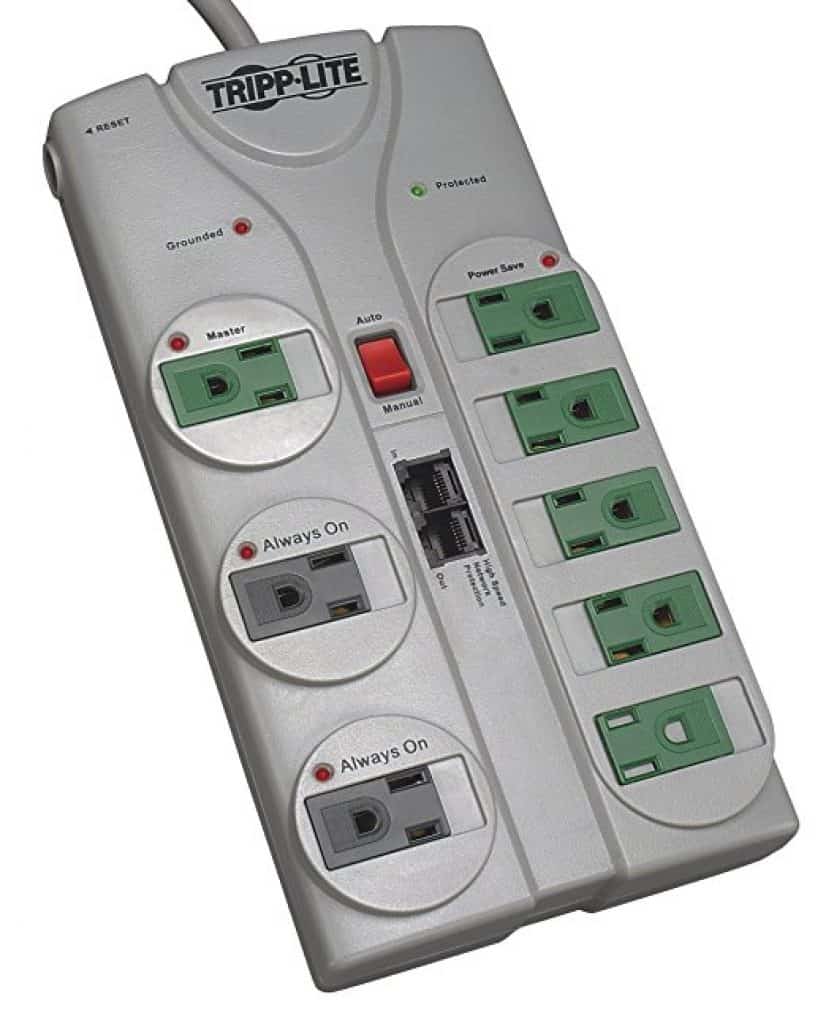
Use power strips with built-in surge protection for your delicate electronics.
-
Unplug devices during storms to avoid unexpected power surge damage.
-
Schedule regular maintenance for your electrical system to catch problems early.
You should know that large appliances cycling on and off cause most power surges in homes. If you have electric vehicle chargers or solar panels, you need extra protection. The National Electric Code now requires surge protection devices at the main service panel for all homes.
Whole-house surge protectors are a smart investment. They cost between $200 and $700, but they can prevent equipment damage that could reach $10,000 or more. These devices block dangerous voltage spikes before they reach your refrigerator, washing machine, or computer.
Using Surge Protectors Effectively
You can get the most out of surge protectors by following a few best practices:
-
Inspect surge protectors regularly for wear or damage.
-
Don’t overload them with too many devices.
-
Look for safety certifications like UL 1449.
-
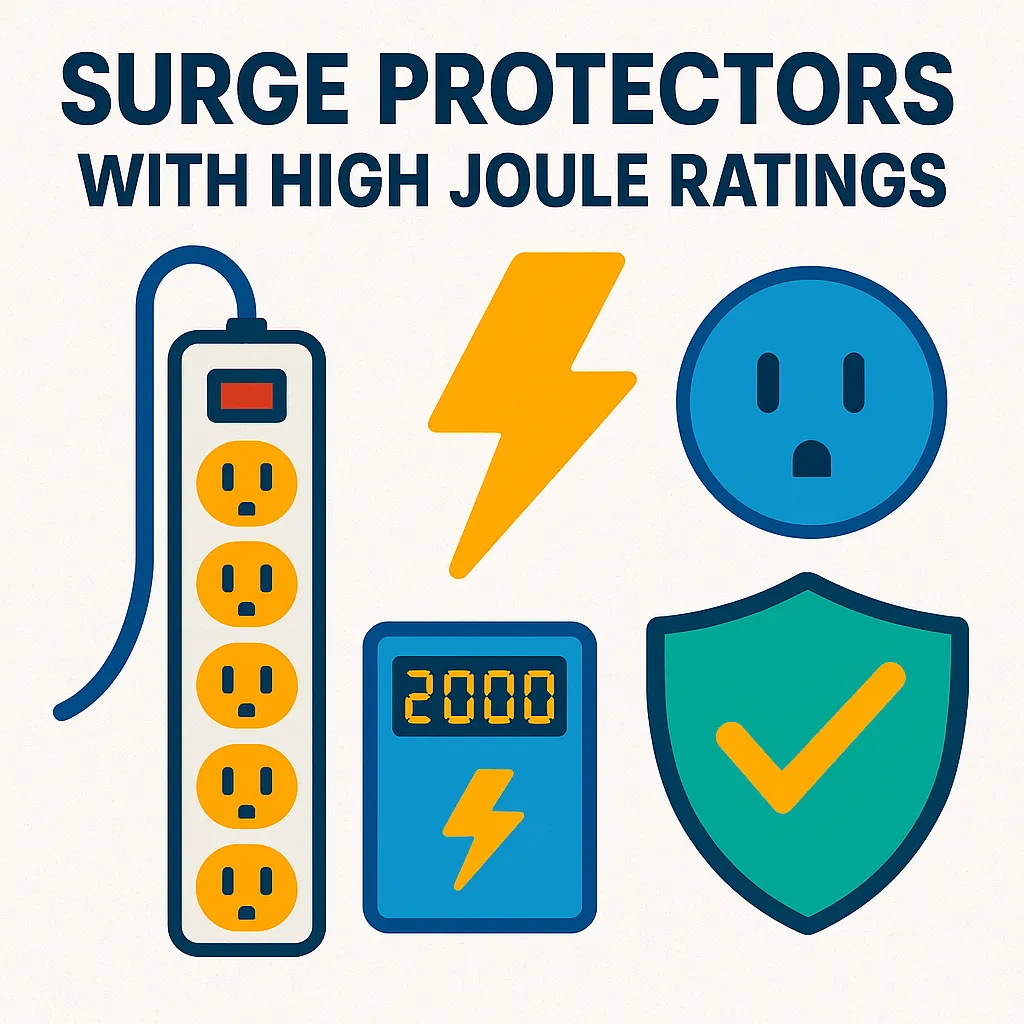
Choose surge protectors rated at least 2000 joules for basic devices and 3000 joules or more for high-end delicate electronics.
-
Replace surge protectors every three to five years, or sooner if you notice any issues.
-
Layer your protection by combining whole-house and point-of-use surge protection devices.
By taking these steps, you can protect your home and delicate electronics from the hidden dangers of power surges.
You face power surges more often than you think. These small spikes can wear out your electronics and cost you money.
-
Preventing surges helps your devices last longer and saves you thousands.
-
Many believe surges are rare or that power strips offer full protection, but that’s not true.
Power surges can happen at any time. You may not see them, but they can damage your electronics. You want to make sure you have the right protection in place. Many people think a simple power strip gives enough protection. That is not true. You need to know what kind of surge protection works best for your home. You also need to understand what causes electrical surges and what you can do to reduce the risk.
FAQ
What is the main cause of power surges in homes?
Most power surges come from inside your home. Large appliances cycling on and off create sudden changes in electrical flow. You need protection to keep your devices safe.
What should you do after a power surge?
First, unplug sensitive electronics. Check your surge protection devices. Reset any tripped breakers. If you see damage, call a licensed electrical professional for help.
What makes surge protection important for every home?
Surge protection keeps your electronics safe from hidden electrical spikes. You avoid costly repairs and extend the life of your devices. Every home needs reliable protection.