Did you know that lightning causes over $1 billion in structural damage annually in the United States? Homeowners often face significant risks from lightning strikes, which can lead to costly repairs and insurance claims. In 2023, lightning damage resulted in $1.2 billion in homeowners insurance claims, affecting more than 70,000 policyholders.
|
Year |
Total Claims Value |
Average Cost per Claim |
|---|---|---|
|
2022 |
$950 million |
$15,280 |
|
2023 |
$17,513 |
To mitigate these risks, lightning protection for homes has become mandatory. A lightning protection system offers a direct path for lightning currents to safely reach the ground, reducing potential damage.
In this article, you will learn how to protect your home and ensure safety during thunderstorms.
Key Takeaways
-
Lightning protection systems include rods, SPDs, and grounding.
-
Regular maintenance ensures system effectiveness.
-
SPDs protect against power surges and electrical damage.
-
Proper installation of grounding systems is crucial.
-
Consult professionals for installation and inspections.
Understanding Lightning and Its Risks
Lightning fascinates many people, yet it poses significant dangers. Have you ever wondered what lightning is? Let’s talk about the science behind this.
What is Lightning?
Definition and Scientific Explanation
Lightning is a massive spark of electricity in the atmosphere. It occurs between clouds or between a cloud and the ground. This natural phenomenon heats the air to an astonishing 50,000 degrees Fahrenheit. Such intense heat causes the air to expand rapidly, creating the sound wave we know as thunder.
|
Lightning Facts |
Details |
|---|---|
|
Temperature |
50,000°F |
|
Annual Flashes |
|
|
Speed |
220,000 mph |
|
Length |
Up to 10 miles |
Common Misconceptions About Lightning
Many myths surround lightning. Some folks believe lightning never strikes the same place twice. However, this is far from true. Tall structures often experience multiple strikes.
Another misconception is that metal objects attract lightning. In reality, metal conducts electricity but is not attract it. Understanding these misconceptions can help us stay safer during storms.
Risks Associated with Lightning Strikes
Lightning strikes pose various risks. These dangers affect homes, electronics, and personal safety.
Structural Damage to Homes
Lightning can cause severe structural damage. The intense heat and energy from a strike can split wood, shatter bricks, and even ignite fires. Homes without proper protection face higher risks of damage.
Electrical Hazards and Fires
Lightning strikes can lead to electrical hazards. When lightning hits power lines, it can send a surge through the electrical system. This surge can fry electronics and start fires. Installing surge protectors helps mitigate these risks.
Personal Safety Risks
Personal safety remains a top concern during thunderstorms. Lightning injures more people than it kills. Survivors often suffer long-term health issues. Staying indoors and away from windows during a storm reduces personal risk.
Essential Lightning Protection Systems
Lightning strikes can cause significant damage to homes. Homeowners need to consider installing a lightning protection system. These systems guide lightning safely to the ground, reducing potential risks.
We should look at the key elements of these systems.
Main Conductors and Their Functions
The main conductors are an instrumental part of the lightning protection system. Usually made of aluminum or copper, they connect the lightning rods to other system components and the grounding network. The main conductors provide a secure and conductive path for the electrical energy generated during a lightning strike.
Through these conductors, the electrical discharge flows away from the structure and towards the ground, minimizing the risk of damage to the building and its occupants.
Lightning Rods
Function and Installation
Lightning rods play a key role in lightning protection for homes. These rods intercept lightning strikes and direct the electrical charge safely to the ground. Installation involves placing rods at high points on a structure. Installers connect them to a grounding network using conductive materials like copper or aluminum. Proper installation ensures that the system effectively prevents lightning strikes from causing damage.
Lightning Rod with 60 Feet 6AWG Down Conductor and 5/8” Grounding Rod
Maintenance and Inspection Tips
Regular maintenance keeps lightning rods effective. Inspectors should check connections and ensure that no corrosion affects the materials. A professional inspection every few years helps maintain optimal performance.
Homeowners should also look for visible damage after severe storms.
Surge Protection Devices
Importance for Electrical Safety
Surge protection devices (SPDs) are essential for protecting electrical systems. Lightning strikes can cause power surges that damage electronics and appliances. SPDs divert excess electrical energy away from sensitive equipment, preventing costly repairs.
Types and Installation Guidelines
SPDs come in various types. Whole-house SPDs are installed at the electrical panel, offering comprehensive protection.
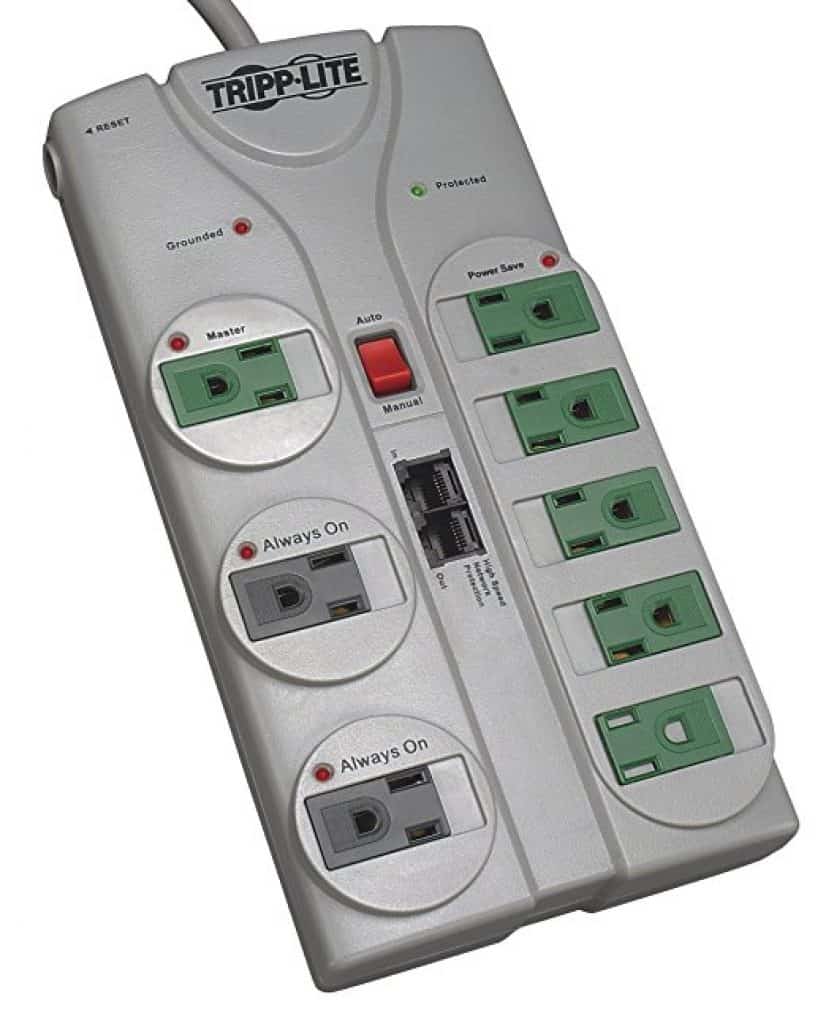
Point-of-use SPDs protect individual outlets and devices. Homeowners should consult professionals for proper installation. To get the most out of your surge protector, get one with a high surge current rating.
FS140 Surge Protector Whole House Protecting for 140,000 Amps
|
SPD Type |
Installation Location |
Surge Current Rating |
|---|---|---|
|
Whole-House |
Electrical Panel |
20,000 Amps |
|
Point-of-Use |
Outlets |
6,000 Amps |
|
Service Entrance |
Near Power Lines |
40,000 Amps |
Grounding Systems
Role in Lightning Protection
Those grounding things are key for protecting your home from lightning. These systems provide a low-resistance path for electrical currents. Proper grounding prevents lightning from causing fires or damaging structures.
Proper Installation Techniques
Installers must follow specific techniques for effective grounding. Use conductive materials and ensure a direct connection to the earth. Avoid sharp bends in conductors to minimize resistance. Regular inspections help maintain the integrity of the grounding system.
Bonding: Preventing Electrical Side Flashes
Bonding is a key element of a lightning protection system, significantly reducing the risk of dangerous side flashes. This process connects metallic objects and grounded building components to the main conductor, guaranteeing uninterrupted electrical conductivity across the entire system.
When a unified bond is established, the risk of electrical side flashes, sparks, or arcing between different objects is minimized. Bonding enhances the effectiveness protection system and helps to maintain the safety and integrity of the structure during a lightning strike.
Tips to Protect Your Home from Lightning
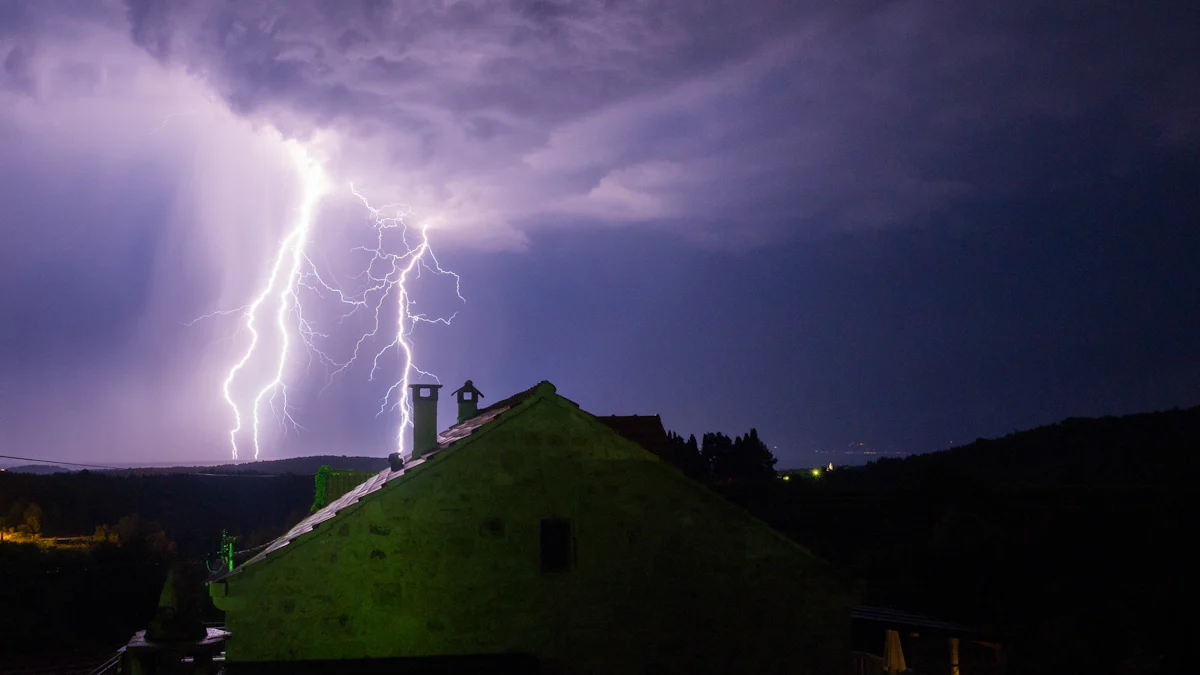
Lightning strikes can wreak havoc on homes, causing significant damage and posing safety risks. Did you know that lightning can reach temperatures of up to 50,000 degrees Fahrenheit? That’s hotter than the surface of the sun!
Protecting your home from such intense forces requires careful planning and proactive measures. Let’s explore some essential tips to keep your home safe during thunderstorms.
Outdoor Safety Measures
Avoiding Open Spaces During Storms
During a storm, staying away from open spaces is crucial. Lightning often targets tall objects and open areas. Avoiding these spots can prevent potential injuries. If you’re outside, seek shelter immediately.
Remember, a car with a metal roof offers a safer option than standing under a tree.
Safe Shelter Options
Finding a safe shelter during a storm is vital. A sturdy building provides the best protection. Ensure all doors and windows remain closed. If you’re in a vehicle, avoid touching metal parts. Staying inside until the storm passes ensures safety.
Indoor Safety Precautions
Unplugging Electronics
Unplugging electronics like TVs and computers can prevent damage from power surges. Lightning can send a surge through the electric panel, frying appliances and electronics. Unplugging them reduces the risk of costly repairs.
Staying Away from Windows and Doors
Keep clear of windows and doors during a storm. Lightning can travel through these openings, so maintaining a safe distance reduces the chances of getting hurt. This straightforward precaution is a great way to keep yourself and your loved ones safe.
Insurance and Financial Protection
Importance of Lightning Coverage
Having adequate insurance coverage for lightning damage is crucial. Many homeowners overlook this aspect. Lightning coverage can save you from financial strain. Southern Trust Home Services emphasizes the importance of reviewing your policy to ensure it covers lightning-related incidents.
Tips for Choosing the Right Insurance Policy
Choosing the right insurance policy involves understanding what it covers. Look for policies that include lightning damage. Consider additional coverage for specific items like computers and appliances.
Installation and Maintenance: The Key to Effective Lightning Protection
Why Professional Installation Is Critical
Proper installation is crucial for ensuring the effectiveness of a lightning protection system. Homeowners should prioritize professional installation to guarantee that all components are correctly positioned, connected, and bonded according to national safety standards. Professional installers have the expertise and knowledge required to assess the unique needs of each home and design a lightning protection system that provides comprehensive coverage.
They understand the intricacies involved in safely installing lightning rods, grounding components, and main conductors. When homeowners choose certified lightning protection contractors, they can be confident that experts following the best industry practices have installed their system.
This professional installation process ensures that the lightning protection system is optimized for maximum performance and safety.
Preparing for an Electrical Emergency
Lightning strikes can lead to electrical emergencies. Knowing the steps to take during such events can save lives and property. Here are some essential steps to consider:
-
Stay Indoors: remain inside during a storm. Avoid using electrical appliances.
-
Unplug Electronics: disconnect devices to prevent damage from power surges.
-
Use Surge Protectors: install surge protectors to safeguard electronics.
-
Avoid Water: stay away from plumbing fixtures to reduce shock risk.
-
Have an Emergency Kit: keep flashlights, batteries, and a first-aid kit handy.
FAQs
What is the primary function of a lightning rod?
A lightning rod intercepts lightning strikes and directs the electrical charge safely to the ground.
How often should lightning protection systems be inspected?
Professionals recommend inspecting systems every few years or after severe storms.
What are surge protection devices used for?
SPDs protect electrical systems from power surges caused by lightning strikes.
Where should whole-house SPDs be installed?
Install whole-house SPDs at the electrical panel for comprehensive protection.
Why is proper grounding important in lightning protection?
Proper grounding provides a low-resistance path for electrical currents, preventing damage and fires.
Summing Up
Lightning protection systems are essential for safeguarding homes from potential damage caused by lightning strikes. Implementing these systems can significantly reduce the risk of structural damage and electrical hazards. Homeowners should take proactive steps to ensure safety during thunderstorms.
Investing in a reliable lightning protection system provides peace of mind, knowing that your home and family are protected.