Does homeowners insurance cover power surge damage? In many cases, yes, but the answer depends on what caused the surge and what part of your home was damaged. A lightning strike may be covered under a standard policy, while a utility grid spike, transformer failure, or internal electrical problem may need extra coverage. This can get confusing fast, especially when damaged electronics, appliances, HVAC equipment, or wiring are involved.
Homeowners insurance, renters insurance, personal property coverage, and equipment breakdown endorsements all handle surge claims in different ways. That means the same power surge could be covered for one person and denied for another.
Before you file a claim or assume your policy will pay, it helps to know the difference between covered perils, excluded electrical events, and optional add ons that protect against artificial power spikes. The key point is simple: standard policies usually protect you from lightning related surge damage, but not every electrical surge qualifies.
Key Takeaways
-
Standard insurance policies cover power surge damage from natural lightning strikes.
-
Utility grid failures require extra policy add-ons like equipment breakdown coverage.
-
Surge protectors and whole-home suppressors help prevent costly electrical damage.
When Does Insurance Cover Power Surge Damage?
Your homeowners insurance policy protects both your physical building structure and your personal belongings when unexpected electrical incidents occur. However, insurance carriers treat natural disasters and artificial electrical events very differently. Understanding how your policy handles these events helps you file claims successfully and avoid expensive out-of-pocket repairs.
Lightning Strikes and Covered Perils
Named peril policies explicitly list lightning strikes as a primary covered event. When lightning strikes your home directly or lands on a nearby power line, the massive electrical spike travels through your building wiring. This intense burst of electricity can burn out hardwired components across your property, including:
-
Main electrical panels, junction boxes, and internal copper wiring runs
-
Built-in heating, ventilation, and air conditioning (HVAC) systems
-
Submersible well pumps and water heater units
-
Hardwired kitchen appliances like ovens and built-in microwaves
💡 Important Tip: Insurers often deny electrical claims if an adjuster cannot locate a direct physical point of entry from the lightning strike.
While lightning counts as a basic covered peril, insurance companies frequently separate direct strikes from secondary electrical losses. You might encounter inspection disputes over concealed wiring risks, as internal electrical damage behind walls remains hidden during initial home inspections. Your provider may blame the incident on pre-existing wear and tear or gradual wiring deterioration rather than the severe event.
Your homeowners insurance provides clear financial protection against power surge damage under specific circumstances. If a verified lightning strike sends electrical current surging into your house, your policy coverage steps in to repair your structure and reimburse you for severe power surge damage.
Does Renters Insurance Cover Power Surge Damage?
As a tenant, you might ask, does renters insurance cover power surge damage? A standard renters insurance policy protects your personal items from covered perils like lightning, but it operates differently from a home policy.
|
Insurance Type |
Property Protected |
Structural Wiring & HVAC |
Personal Property & Electronics |
|---|---|---|---|
|
Homeowners Insurance |
Dwelling + Personal Belongings |
Covered under Dwelling |
Covered under Personal Property |
|
Renters Insurance |
Personal Belongings Only |
Not Covered (Landlord responsibility) |
Covered under Personal Property |
Your landlord carries insurance on the building structure itself. Therefore, your tenant policy never pays for damaged electrical outlets, burnt circuit breakers, or ruined HVAC units. Instead, your personal property protection focuses entirely on your movable belongings.
So, does renters insurance cover power surge damage when grid problems occur? If a sudden power surge originates from a lightning strike, your policy helps pay to repair or replace your damaged electronics after an incident. However, if an off-site utility company overload or transformer failure ruins your television during a sudden power surge, standard policies will deny the claim.
What’s more, you should review your policy for power outage coverage extensions. Blackouts often accompany storm-related electrical issues. Standard policies rarely include power outage coverage for spoiled food or hotel stays unless you purchase specific endorsements. Your standard renters insurance handles personal belongings, so you must add extra riders if you want complete protection against electrical utility failures.
Understanding Coverage Exclusions for a Power Surge
Standard homeowners insurance policies exclude utility grid overloads and electrical maintenance issues. You must recognize these exclusions before submitting claims for electrical losses.
Utility Grid Spikes and Internal Electrical Issues
Off-site grid failures frequently trigger electrical spikes. Your basic policy denies claims arising from utility company operations. Likewise, internal factors account for over 50% of residential power surge events.
|
Cause of Power Surge |
Estimated Proportion |
|---|---|
|
Internal Wiring or Appliance Failure |
60% – 80% |
|
External Grid Issues or Environmental Factors |
20% – 40% |
Motorized equipment turns on daily, redistributing electrical currents across home circuits. Regular wear and tear from these events creates a power surge, but standard insurance denies coverage for normal maintenance failures.
Personal Property vs. Building Protection
You must also evaluate settlement options during claim processing. Insurance companies offer Actual Cash Value (ACV) or Replacement Cost Value (RCV) for damaged electronics.
|
Item Category |
Original Replacement Value (RCV) |
Depreciation Criteria |
Actual Cash Value (ACV) Payout |
Payout Gap (Difference) |
|---|---|---|---|---|
|
Household Electronics (e.g., Television, Computer) |
$3,000 |
3 Years Old / 60% Depreciated |
$1,200 |
$1,800 |
Actual Cash Value subtracts depreciation from payouts. A three-year-old computer loses significant financial value, widening your out-of-pocket gap.
Policy deductibles affect payout totals significantly. Your deductible might exceed the cost of replacing small items. In addition, homeowners insurance policies impose sub-limits on high-end entertainment systems. Standard renters insurance limits payouts similarly. You need optional endorsements if you desire broader coverage. Furthermore, standard policies exclude power outage coverage unless storm damage directly impacts municipal lines. You can purchase specific riders to secure power outage coverage for food spoilage.
Adding power outage coverage ensures full recovery after sudden blackouts. Understanding these gaps protects your household assets from power surge damage.
Endorsements and Power Surge Protection Options
Standard policies exclude artificial electrical spikes, but optional policy endorsements protect your household machinery against unexpected utility failures.
Equipment Breakdown Riders and Add-Ons
Equipment breakdown endorsements and service-line riders fill critical coverage gaps left by basic insurance policies. Service-line protection pays to repair underground electrical wires running between public lines and your home. Meanwhile, an equipment breakdown add-on extends your home insurance coverage to include mechanical failures and artificial electrical spikes.
|
Policy Add-On Option |
Average Annual Premium |
Coverage Limit |
Per-Claim Deductible |
|---|---|---|---|
|
Equipment Breakdown Endorsement |
$25 – $50 |
$100,000 |
$500 |
These affordable riders add comprehensive power surge protection to your policy. They provide complete coverage for major appliances, smart home hubs, and built-in HVAC systems when grid disruptions occur.
Action Steps to Prevent Damage from Power Surges
When an electrical spike causes power surge damage in your home, quick action helps secure your claim payout.
To process a successful claim for damaged electronics, gather these essential items:
-
Electrician Diagnostic Report: Request an official written inspection report from a certified technician confirming power surge damage.
-
Visual Evidence: Take clear photographs showing charred circuit boards, burned outlets, or melted internal wiring.
-
Detailed Asset Inventory: Compile a list of affected items with purchase dates, model numbers, and serial tags.
-
Utility Event Logs: Obtain written outage reports from your local power company confirming neighborhood voltage fluctuations.
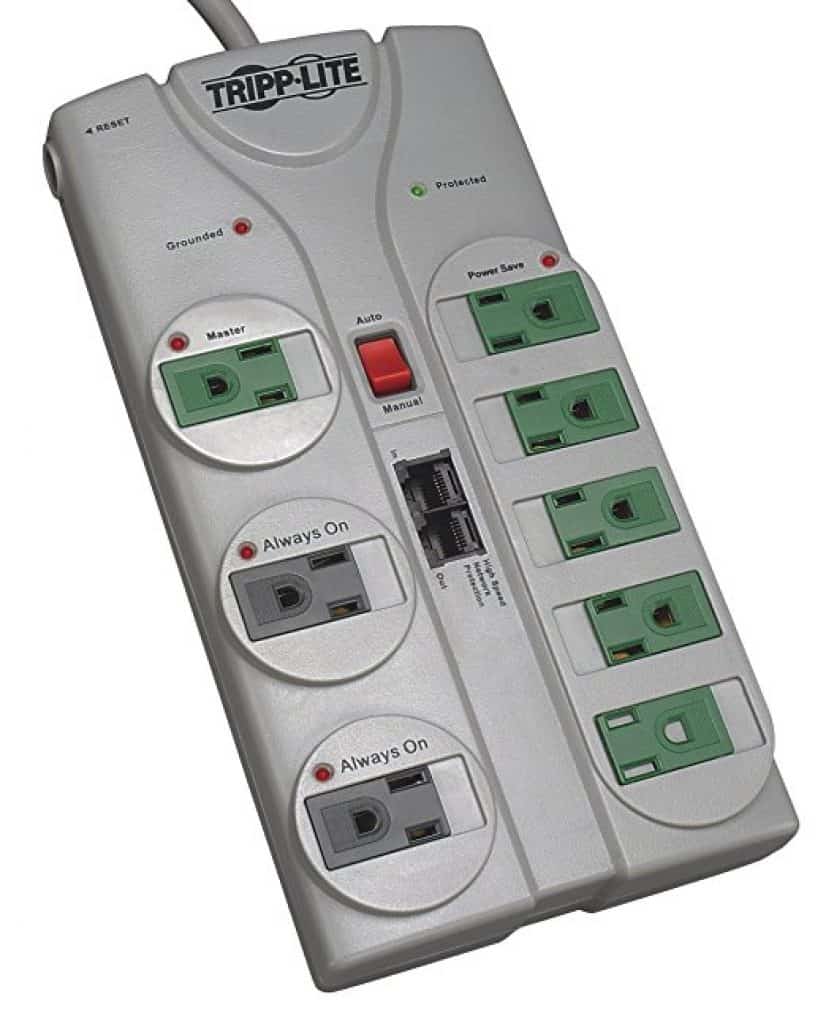
⚡ Loss Prevention Tip: Install point-of-use surge strips near sensitive devices and attach a whole-home surge suppressor to your main electrical panel to prevent future damage from power surges.
Standard homeowners insurance protects your home against power surge damage from natural lightning. Utility grid spikes require optional policy endorsements. Review your declarations page now to verify deductibles, electronics sub-limits, and actual cash value clauses. Combining physical surge protectors with equipment breakdown coverage guarantees full power surge protection.
FAQ
Does homeowners insurance pay for grid-related electrical spikes?
Your standard homeowners insurance excludes artificial utility spikes. You must add specialized equipment breakdown riders to secure complete financial coverage against off-site grid failures.
How do tenant policies handle power loss events?
You might ask, does renters insurance cover power surge damage from blackouts? Standard policies exclude grid failures, but optional power outage coverage reimburses spoiled perishable food items.
Are personal electronics protected during electrical spikes?
Lightning events trigger automatic claim approval for damaged personal electronics. But does renters insurance cover power surge damage from internal appliance shorts? You need supplemental power outage coverage endorsements.