You rely on more electronics than ever, from smart TVs and laptops to HVAC controls, kitchen appliances, security systems, and home automation devices. One sudden power surge can damage them in seconds. That damage can lead to costly repairs, early replacements, and a lot of stress. That is why surge protection is more than a safety upgrade. It is a smart financial move. When installed correctly, whole house surge protection can help reduce repair costs, extend appliance life, support possible insurance savings, and protect the devices your home depends on every day.
For many homeowners, the value shows up fast. Avoiding just one major appliance repair can cover much of the installation cost. Over time, the savings can grow through fewer breakdowns, better protection for expensive electronics, and stronger peace of mind during storms or grid issues.
In this guide, you will see what surge protection ROI for homeowners really means, how whole house protection works, and why it can be one of the most practical upgrades for a modern home.
-
Whole-house surge protection shields your home from damaging voltage spikes, saving you from costly repairs and extending the lifespan of your electronics.
-
Investing in surge protection can lead to insurance discounts of up to 5%, making your home safer and more appealing to insurers.
-
The payback period for surge protection is often quick, with many homeowners seeing returns within one to three years through avoided repair costs and insurance savings.
Surge Protection ROI for Homeowners
What Is Whole-House Surge Protection
You need to understand what whole-house surge protection offers before you invest. This system acts as a shield for your home’s electrical infrastructure. You install it at your main electrical panel, so it covers every circuit and device in your house. Whole-house surge protection roi for homeowners means you stop voltage spikes before they reach your appliances or electronics. These spikes can come from lightning strikes, power outages, or even large appliances cycling on and off.
-
Whole-house surge protection acts as a barrier against voltage spikes, preventing electrical damage.
-
You install it at the electrical panel, so it protects all circuits in your home.
-
It safeguards appliances and electronics from surges caused by lightning, power outages, or large appliances.
-
You get comprehensive protection for everything plugged in or hardwired.
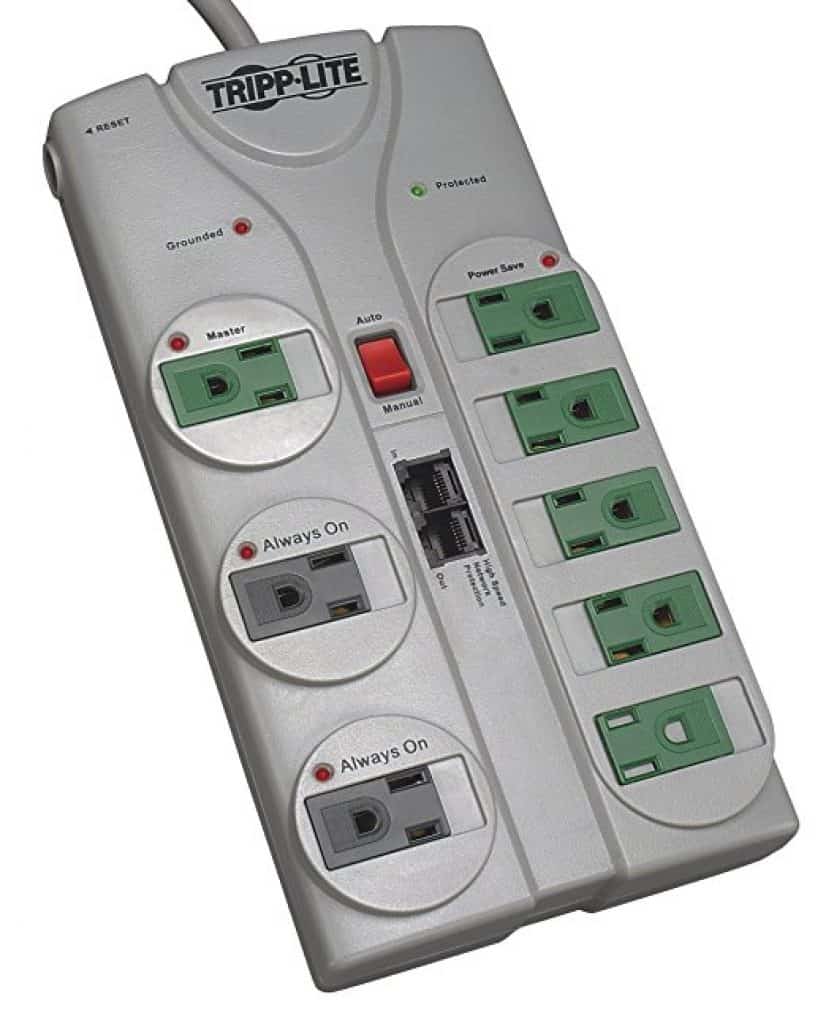
You may wonder how this compares to plug-in surge strips. Whole-house surge protection roi for homeowners delivers broader coverage. Plug-in strips only protect devices plugged into them and wear out over time. Whole-house systems protect major appliances, HVAC, and hardwired systems. You get the best results when you combine whole-house surge protection with point-of-use protectors for sensitive electronics.
Protecting Electronics and Appliances
Modern homes rely on electronics and appliances that are vulnerable to power surges. You risk losing TVs, computers, gaming consoles, routers, kitchen appliances, smart home devices, and HVAC systems. Even a single surge can destroy control boards or wiring, leading to expensive repairs or replacements.
-
TVs
-
Cordless phones
-
Computers and laptops
-
Microwaves
-
Dishwashers
-
Washing machines
-
Refrigerators
-
Televisions and home theaters
-
Gaming consoles and routers
-
Kitchen appliances with electronics
-
Smart home devices
-
HVAC systems
You protect these devices with whole-house surge protection. You avoid repair costs that can range from $500 to $1,500 for a single appliance failure. This savings can cover 90% or more of your surge protection installation costs. You also extend the lifespan of appliances by 20 to 40%, reducing the need for replacements. Surge protection roi for homeowners means you keep your electronics running longer and avoid unexpected expenses.
Power surges happen more often than you think. Lightning strikes, high-powered appliances cycling, faulty wiring, power grid issues, and overloaded circuits all cause surges. NEMA estimates that 60% to 80% of surges originate inside your home, often when large appliances turn on and off. Areas with frequent lightning activity experience more surges, increasing the risk for your electronics.
Tip: Combine whole-house surge protection with plug-in strips for sensitive devices like computers and home theaters. You maximize your defense and minimize risk.
Insurance Discounts and Savings
You can benefit from insurance discounts when you install whole-house surge protection. Some insurance providers offer up to a 5% premium reduction for homes with documented surge protection. These discounts reflect the reduced risk of electrical damage. The installation cost for surge protectors ranges from $100 to $900, but the annual savings on premiums help offset this expense.
-
Insurance companies may offer up to a 5% premium reduction for homes with surge protection.
-
You reduce the risk of electrical damage, making your home safer and more attractive to insurers.
-
The installation cost ranges from $100 to $900, often less than the cost of filing a claim for damaged electronics or appliances.
You gain more than just savings. You avoid the hassle of insurance claims and the downtime caused by damaged devices. Surge protection roi for homeowners means you invest in peace of mind and financial security.
|
Case Study |
Description |
|---|---|
|
Case 1 |
Homeowners lost control boards on various appliances due to a surge caused by a car crash into a utility pole, resulting in thousands of dollars in damage. Their televisions and computers were spared due to surge protection devices. |
|
Case 2 |
A surge burned up wiring on several receptacles in a bedroom circuit, but the owner was fortunate that it did not cause a fire. |
|
Case 3 |
A surge protector was installed on a sewer pump control panel, which was sacrificed during a surge, but no damage occurred to the panel itself, preventing potential loss for a 40-unit development. |
Surge protection roi for homeowners delivers real value. You protect your investment, save money, and gain insurance benefits. You make your home safer and more resilient against electrical threats.
Investment Value and Payback
Cost of Whole Home Surge Protector
You want to know what you will spend when you invest in a whole home surge protector. Installation costs vary based on your location and the complexity of your electrical panel. In many regions, you can expect to pay between $100 and $300 for a basic installation. In areas like Virginia, Maryland, North Carolina, and DC, the average cost can reach $715, with some installations as low as $200 or as high as $625. Professional installation typically ranges from $300 to $700, which includes the device and labor from a licensed electrician. DIY installation is not recommended due to safety and compliance concerns.
-
Whole home surge protector installation cost: $100–$300 (basic), $200–$715 (regional average), $300–$700 (professional).
-
Surge protectors require proper wiring into your main service panel.
-
Most units last five to ten years and need periodic checks, especially after storms.
When you compare these costs to the price of replacing appliances, the investment becomes clear. Refrigerator replacement can cost $1,200–$3,000. HVAC systems range from $5,000–$12,000. Home electronics often exceed $2,000. The cost of a whole home surge protector is significantly less than replacing multiple appliances after a surge.
Note: Surge protectors block or redirect up to 90 percent of surges when installed correctly. For routine surges, effectiveness approaches 100 percent.
Quick Payback and Long-Term Savings
You want your investment to deliver value quickly. The payback period for a whole home surge protector is often immediate after the first prevented repair. Statistically, most homeowners see a return within one to three years. You avoid costly repairs and replacements, and you may receive insurance premium discounts for having surge protectors installed.
-
Insurance premium discounts: 5–10% for homes with surge protection.
-
Reduced claims for electronic damage lead to significant savings over time.
-
The initial investment is often offset by premium savings and avoided repair costs.
Over five or ten years, you can expect substantial value from your investment. You protect your electronics, extend appliance lifespan, and reduce downtime. You also increase your property value. Homes with surge protection can sell for 1–3% more than those without, translating to $3,000–$9,000 on a $300,000 home. Buyers see surge protectors as a low-cost, high-impact upgrade that aligns with modern home needs.
|
Factor |
Impact on ROI |
|---|---|
|
Installation Costs |
Higher initial costs can delay ROI |
|
Equipment Longevity |
Shorter lifespan leads to more frequent replacements |
|
Maintenance Requirements |
More maintenance increases overall costs |
|
Downtime Costs |
Loss of production during repairs impacts ROI |
Tip: You maximize value by combining whole home surge protector systems with point-of-use surge protectors for sensitive electronics.
Choosing and Installing the Right System
You need to select the right whole home surge protector for your investment to deliver maximum value. Assess your home’s electrical load and panel complexity. Evaluate lightning risks in your area and factor in your budget. Choose a surge protector with the right maximum discharge current and voltage protection rating. Look for key technologies like MOVs for surge absorption, thermal disconnects for safety, and LED indicators for operational status.
-
Whole home surge protectors wire directly into your main service panel.
-
They activate when a surge is detected, diverting excess voltage to the grounding system.
-
Maximum discharge current (Imax/kA) and voltage protection rating (VPR) are critical features.
-
Layered surge protection provides multiple levels of defense, gradually reducing surge energy before it reaches sensitive electronics.
Layered surge protection operates by dissipating surge energy at each stage. The service entrance device absorbs most of the energy. Distribution panel devices suppress remaining surges. Point-of-use surge protectors eliminate residual voltage spikes before they reach your electronics. This approach enhances protection compared to single-device solutions.
|
Common Mistakes in Surge Protection Systems |
Description |
|---|---|
|
Selecting an incorrect SPD type |
Choosing the wrong surge protector for your panel leads to inadequate protection. |
|
Overloading circuits |
Not considering circuit load can cause failures in surge protection. |
|
Ignoring the status indicator |
Failing to check the indicator can result in undetected issues. |
|
Loose connections |
Poor connections lead to ineffective protection and hazards. |
You avoid these mistakes by consulting a licensed electrician and following manufacturer specifications. Many brands require a dedicated two-pole circuit breaker, so check for available spaces in your panel. Proper installation ensures your whole home surge protector functions as intended and delivers the value you expect.
You invest in peace of mind, financial security, and long-term value. You protect your home from power surges and ensure your electronics and appliances last longer. You gain quick payback, insurance savings, and increased property value with the right whole home surge protector system. You gain strong ROI and quick payback with surge protection. The benefits include cost savings, insurance discounts, and reliable protection for your electronics.
FAQ
What does whole-house surge protection do for your home?
You shield every device and appliance in your home from damaging voltage spikes. You prevent costly repairs and extend the life of your electronics.
What makes surge protection a high-impact upgrade for your home?
You add a high-impact upgrade that increases your home’s value. You also protect smart devices and make your home more attractive to buyers.
What should you consider before you upgrade your home with surge protection?
You should review your home’s electrical panel, check for available breaker space, and consult a licensed electrician. You ensure the upgrade fits your home’s needs.
Tip: You maximize protection when you combine whole-house surge protection with point-of-use devices throughout your home.