Main Key Points
-
Florida enforces electrical requirements through the Florida Building Code (FBC), which adopts the National Electrical Code (NEC, NFPA 70) by reference.
-
The NEC has required a surge protective device (SPD) at services supplying dwelling units since the 2020 edition. The requirement applies in Florida only to the extent the FBC edition in effect adopts that NEC edition.
-
Compliant devices are Type 1 or Type 2 SPDs listed to UL 1449.
-
Local amendments and permit rules vary, so confirm details with your city or county building department.
Introduction
Florida is widely recognized as one of the most lightning-active states, and the National Weather Service lightning safety site is a good starting point for the hazard. Lightning is only one source of surges. Utility switching and large internal loads, such as air conditioner compressors cycling on and off, also produce them. As homes fill with electronics, surge protection has moved from an optional add-on to a code topic.
This article covers how the code chain works, what the NEC requires, what a compliant device looks like, and how to verify local rules before work begins.
How Florida’s Code Framework Works
The FBC is established under Florida Statutes Chapter 553 and maintained by the Florida Building Commission. It does not rewrite the electrical code. It references NFPA 70 by edition, so a new NEC reaches Florida only when a new FBC edition is adopted.
As of this writing, the 8th Edition (2023) FBC is the edition in effect, and it references the 2020 NEC. That is the edition that introduced the dwelling unit SPD requirement. The next FBC cycle is expected to reference a newer NEC edition, but its effective date should be confirmed. Check both the Commission’s site and the ICC Digital Codes FBC library before relying on any edition number, including this one.
Local jurisdictions enforce the code and can adopt amendments. For the practical details of the NEC changes, see this overview of the newer surge protector code rules.
What the Code Requires: Key SPD Provisions
The NEC is available to read free of charge through NFPA’s free access viewer, and the NFPA 70 page lists current editions.
|
Requirement |
Where it applies |
Code reference |
Notes |
|---|---|---|---|
|
SPD at the service |
Services supplying dwelling units |
NEC 230.67 (2020 and later) |
Type 1 or Type 2 SPD, integral to or immediately adjacent to the service equipment |
|
SPD when equipment is replaced |
Replacement of service equipment in dwelling units |
NEC 230.67 |
Confirm exact wording in the edition adopted locally |
|
SPD on certain feeders |
Feeders in some dwelling configurations |
NEC 215.18 (2023 edition) |
Appears in the 2023 NEC; verify scope and exceptions |
|
Emergency systems |
Emergency system equipment |
NEC 700.8 |
Occupancy-specific; verify against NFPA 70 |
|
Fire pumps |
Fire pump controllers |
NEC 695.15 |
Occupancy-specific; verify against NFPA 70 |
Section numbers and exceptions differ between NEC editions. Read the text of the edition your jurisdiction enforces, not the newest one.
Choosing a Compliant Device
A Type 1 SPD can be installed on the line side of the service disconnect. A Type 2 SPD is installed on the load side, typically at the main panel. Either can satisfy the NEC service requirement. For a comparison of how these fit into a whole-home setup, see this explanation of service entrance surge protection.
When reviewing quotes, check these points:
-
Listing: The device should be listed to UL 1449, the product safety standard for SPDs. The listing should appear on the label, not just in marketing copy.
-
Voltage protection rating (VPR): This measures the voltage let through during a test surge. Lower is generally better when comparing devices of the same type.
-
Nominal discharge current (In): This indicates how much surge current the device is tested to handle repeatedly. Compare it across products rather than treating any single figure as a pass mark.
NEMA publishes surge protection resources that explain these ratings further, and a guide to sizing a surge protection device can help with comparisons.
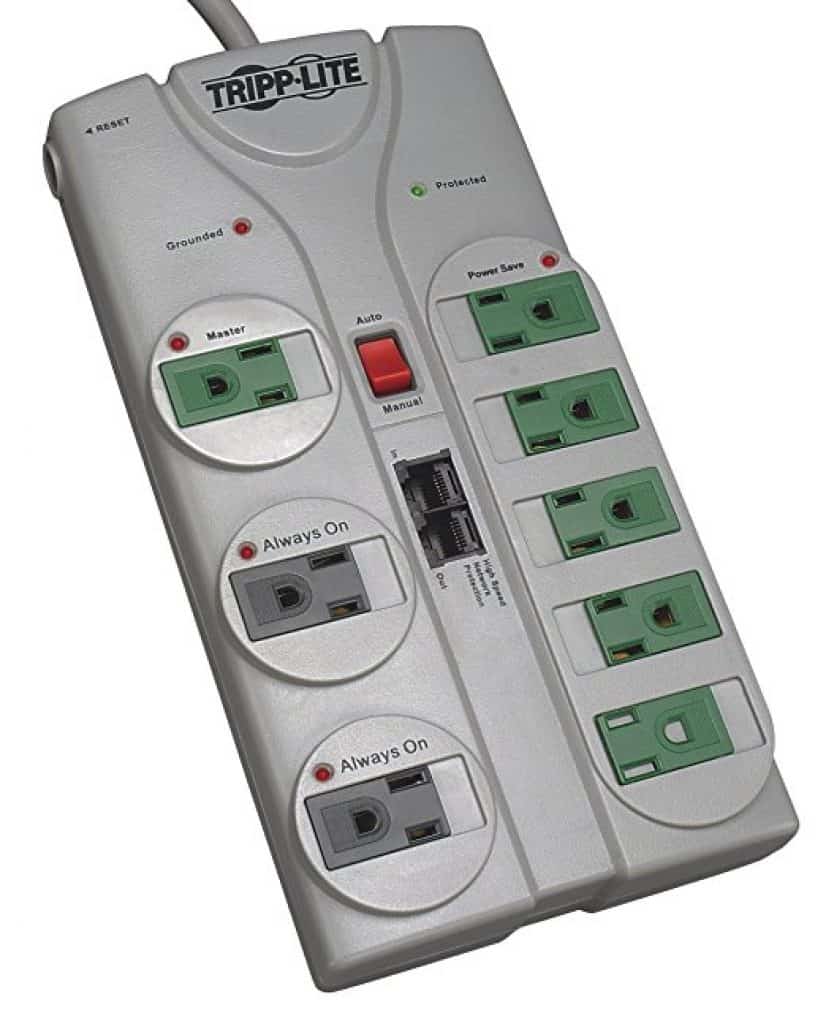
Two limits apply. A whole-house SPD complements point-of-use protectors for sensitive electronics but does not replace them. And no SPD guarantees protection from a direct lightning strike.
Permits, Licensed Installers, and Inspections
Work inside service equipment involves live conductors and serious shock and arc-flash hazards, so it is not a DIY task. In Florida, this work is generally performed by a licensed electrical contractor. You can verify a license through the Electrical Contractors’ Licensing Board or the Florida DBPR license search.
Permit and inspection rules are set locally. Call your city or county building department and ask whether a stand-alone SPD installation needs a permit, and whether one is addressed during a panel replacement, service upgrade, or new construction. Practices differ, so do not assume.
Existing Homes, Insurance, and Utility Programs
Building codes generally apply to new construction, service replacements, and alterations. They do not usually force owners of existing homes to retrofit on their own. Whether a panel change in your jurisdiction triggers the SPD requirement is a question for your local building official.
Some insurers and utilities offer surge-related programs or recommendations, but offerings change and vary by provider. Ask your insurer and utility directly, and do not assume a discount exists. For the financial side, this look at surge protection ROI for homeowners can help frame the decision.
Reference Table: Where to Verify
|
Source |
What it covers |
Why it matters |
|---|---|---|
|
Current FBC editions, adoption cycles, effective dates |
Confirms which code edition applies |
|
|
Full text of the Florida Building Code |
Shows the NEC edition referenced |
|
|
Legal basis of the FBC |
Explains where enforcement authority comes from |
|
|
NEC editions and updates |
Identifies edition cycles |
|
|
Read-only NEC text |
Lets you read 230.67 and related sections |
|
|
UL 1449 SPD standard |
Basis for device listings |
|
|
Surge protection resources |
Explains ratings and selection |
|
|
Lightning hazards |
Context for surge risk |
|
|
License verification |
Confirms installer credentials |
|
|
Electrical contractor licensing |
Identifies who may do the work |
Confirm that each link resolves and that the edition information is current before acting on it.
Final Thoughts
The NEC drives the surge protection requirement, and Florida enforces it through the FBC edition in effect. Confirm that edition and any local amendments with your building department, then hire a licensed electrician to install a Type 1 or Type 2 SPD listed to UL 1449. Code compliance is a minimum standard and does not protect against every surge.
FAQ
Is surge protection required by code for new homes in Florida? Where the adopted NEC edition includes 230.67, yes. The 2020 NEC requires an SPD at services supplying dwelling units. Confirm with your local building department.
Which edition of the NEC does the current Florida Building Code use? The 8th Edition (2023) FBC references the 2020 NEC. Verify this on the Florida Building Commission and ICC sites, and check for the next cycle’s effective date.
What is the difference between a Type 1 and a Type 2 SPD? A Type 1 can be installed ahead of the service disconnect. A Type 2 is installed on the load side, typically at the panel. Both can satisfy the service requirement.
Do I need a permit and a licensed electrician to install a whole-house surge protector in Florida? Work at the service equipment is generally done by a licensed electrical contractor. Permit rules are set locally, so ask your city or county.
Does an existing home have to add surge protection when the electrical panel is replaced? The NEC addresses replacement of service equipment in dwelling units, so a panel change can trigger the requirement. Confirm the edition and local interpretation with your building department.
Does a whole-house SPD protect against a direct lightning strike? No. It reduces the risk from surges but cannot guarantee protection from a direct strike.