A sudden power surge can do more than trip a breaker. It can damage appliances, shorten the life of smart devices, and put costly electronics at risk before you even notice anything is wrong. And with today’s homes packed with HVAC equipment, refrigerators, computers, security systems, and connected devices, a basic plug in surge strip is often not enough.
That is where service entrance surge protection makes a real difference. Installed at or near the main electrical panel, it helps stop dangerous voltage spikes before they spread through your home’s wiring. It protects hardwired systems, major appliances, and everyday electronics from outside threats like lightning and utility grid switching, as well as smaller surges created inside the home.
In this guide, you will learn the key points homeowners should know about service entrance surge protection, including how it works, why it matters, and how it fits into a complete whole home electrical defense plan.
Key Takeaways
-
Service entrance surge protection stops high-voltage spikes directly at your main breaker panel.
-
Internal household appliances cause 80% of daily power surges during normal operation.
-
Layering panel protection with plug-in wall strips creates complete whole-home safety.
-
Licensed electricians must install your main panel protection to prevent fatal shock hazards.
What Is Service Entrance Surge Protection?
Service entrance surge protection intercepts high-voltage spikes right at your main breaker panel. An entry-point device acts as your primary barrier, stopping dangerous voltage increases before they reach house wiring.
|
Protection Feature |
Service Entrance SPD |
Standard Surge Strip |
|---|---|---|
|
Scope |
Safeguards the entire electrical system. |
Shields only directly connected devices. |
|
Location |
Installs at the main service panel. |
Plugs into local wall outlets. |
|
Role |
Acts as primary defense. |
Provides secondary endpoint protection. |
How Service Entrance Protection Works
Main panel devices utilize metal-oxide varistors (MOVs) to manage voltage spikes. MOVs react within a few nanoseconds when a power surge strikes your home. Transient spikes take several microseconds to reach peak intensity. Consequently, your protection clamps the excess voltage well before the surge causes structural damage to downstream electronics.
Shunting Excess Voltage to Ground
Your service entrance protection diverts excess current safely into the grounding system.
💡 How Grounding Keeps You Safe:
-
Creates an alternative path: Channels surplus power into the earth, bypassing household wires.
-
Prevents thermal damage: Eliminates heat buildup to stop electrical fires.
-
Protects occupants: Safely dissipates dangerous energy to eliminate shock hazards.
Internal vs. External Transient Voltage Sources
External events like lightning draw attention, but internal power surges happen daily inside your home. Equipment motors generate frequent mini-spikes whenever they turn on and off.
|
Surge Origin |
Occurrence Percentage |
Primary Household Drivers |
|---|---|---|
|
Internal Sources |
80% |
Air conditioners, refrigerators, heavy motor appliances. |
|
External Sources |
20% |
Lightning strikes, utility grid switching, downed lines. |
Air conditioners cycle dozens of times daily, sending voltage jumps through your lines. Refrigerators spike power draw during compressor startup. Installing robust surge protective devices at the panel keeps your valuable modern electronics completely safe.
Types of Surge Protective Devices
You need to understand how different surge protection devices guard your home against destructive electrical events. The industry classifies these safeguards into three distinct categories based on their installation point and power capacity.
Type 1 SPDs: Line-Side Main Panel Defense
Type 1 surge protective devices mount at the service entrance before your main disconnect switch. Electricians position these heavy-duty units between the secondary utility transformer and the line side of your main electrical panel.
-
External Threat Defense: They act as your first barrier against massive current hits, including direct lightning strikes.
-
High Impulse Rating: These units handle energy capacities reaching 100 kA or higher to absorb severe primary lightning strikes safely.
Type 2 SPDs: Load-Side Panel Shielding
Type 2 devices install on the load side of your main breaker box. You can connect a Type 2 unit directly into two pole spaces or mount it using a dedicated circuit breaker.
💡 Key Function: Type 2 units manage daily internal motor spikes, offering robust defense against moderate electrical spikes through typical nominal discharge capacities between 20 kA and 40 kA.
Type 3 SPDs: Point-of-Use Plug-In Strips
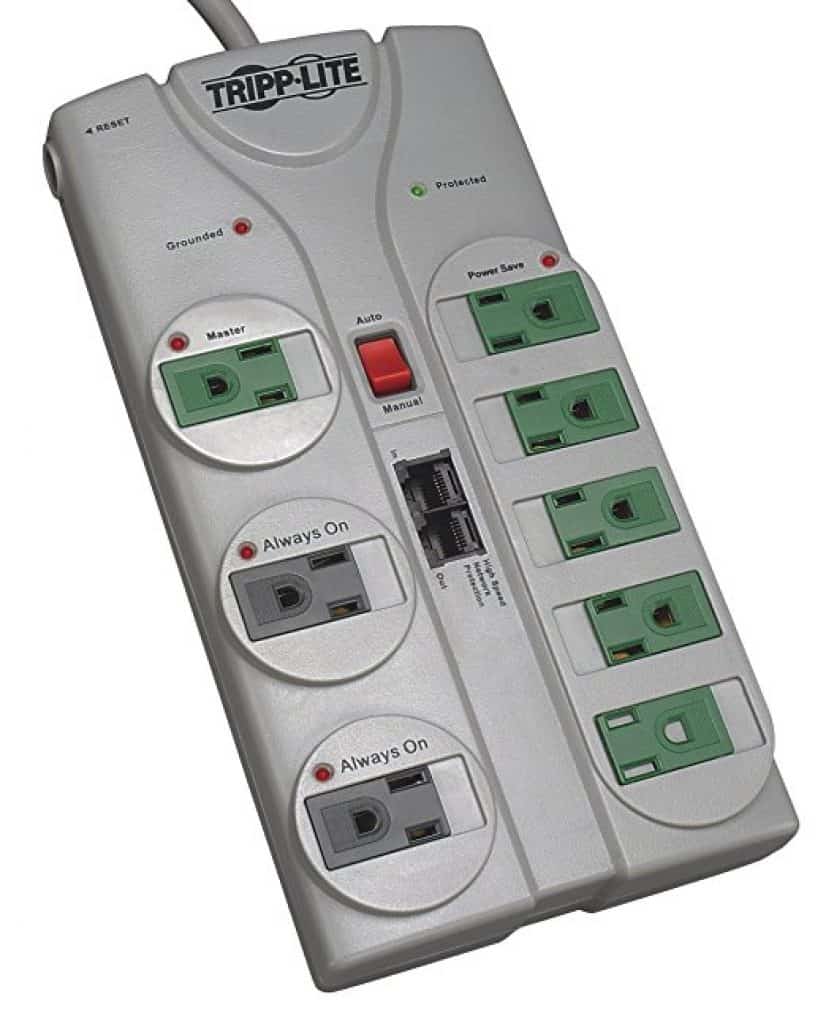
You plug Type 3 point-of-use surge protection devices directly into standard wall outlets to safeguard sensitive microelectronics. While these products deliver precise local voltage clamping below 600V, they cannot maintain complete whole-home safety alone.
|
Limitation Category |
Type 3 Power Strip Weakness |
|---|---|
|
Equipment Reach |
Leaves hardwired systems like HVAC units completely unprotected. |
|
Surge Capacity |
Caps out around 6 kA, failing against large external power spikes. |
|
Wiring Protection |
Leaves electrical cables between the main panel and outlets exposed. |
Comparing Surge Protection Devices for Layered Defense
Combining main panel defense with endpoint plug-in strips creates a complete cascaded defense system for optimal whole-house security.
|
Category |
Primary Site |
Targeted Surge Origin |
Energy Handled |
|---|---|---|---|
|
Type 1 |
Line-side main panel |
External lightning strikes |
60% – 70% |
|
Type 2 |
Load-side distribution panel |
Internal equipment switching |
20% – 30% |
|
Type 3 |
Wall outlet |
Residual low-level transients |
~10% |
This layered surge protection strategy ensures proper service entrance surge protection while delivering tailored clamping at your plug points.
Benefits of Main Panel Surge Protection
Installing main panel surge protection shields your entire household against unexpected voltage spikes. The primary unit intercepts any transient surge before energy enters downstream lines.
Safeguarding Hardwired Appliances and Electronics
You cannot plug modern smart homes and built-in HVAC equipment into portable power strips. Centralized panel systems safeguard these high-value systems through several critical operations:
-
Centralized Defense Point: You place the unit directly at your primary breaker panel to block incoming transient spikes.
-
Voltage Surge Interception: The system automatically detects sudden voltage fluctuations from utility grid switching or lightning strikes.
-
Energy Redirection: The unit safely redirects excess electrical current away from interior wiring.
-
Comprehensive Circuit Coverage: The device shields hardwired HVAC systems and smart home networks across your whole house simultaneously.
Severe power surges especially threaten your heating and cooling equipment. Voltage spikes easily damage HVAC compressor motor windings, causing serious operational issues:
-
Hard starting conditions during startup
-
Decreased overall operational efficiency
-
Total mechanical and operational lockup
Preventing Electrical System Failures and Fires
Main panel protective units reduce home fire risks by continuously diverting dangerous excess energy into the grounding wire. This action prevents severe thermal damage to modern sensitive electronic equipment and internal wiring.
|
Protection Mechanism |
Function & Operation |
Fire Prevention Benefit |
|---|---|---|
|
Micro-Surge Neutralization |
Metal oxide varistors redirect small, continuous voltage fluctuations into the ground wire. |
Stops gradual insulation degradation, eliminating heat buildup risks. |
|
Whole-House Entry-Point Defense |
Main panel units absorb high voltage spikes right at the electrical service entrance. |
Protects home wiring systems and major appliances from acute thermal failure. |
Long-Term Cost Savings and Insurance Benefits
Whole-home surge protection saves you significant money over time. High-voltage transients degrade internal circuitry inside everyday household gear. Proper whole-panel surge protection preserves your investment in major appliances and expensive home automation controls. Many insurance providers even offer premium discounts when you install certified whole-house protection systems.
Installation Standards and Limitations
You must understand the real-world operational capabilities and strict regulatory codes that govern whole-house defense equipment before buying a system.
Realities of Direct Lightning Strikes
No standard residential surge protection equipment can stop the raw energy of a direct lightning strike. A direct strike delivers millions of volts straight to your roof or service drop. Standard surge protective devices simply lack the physical capacity to divert such extreme power surges safely.
⚠️ Reality Check: Whole-home units easily stop standard utility voltage spikes. However, a massive direct strike will overwhelm standard equipment, making localized device unplugging your safest choice during severe electrical storms.
National Electrical Code Requirements and UL 1449
The National Electrical Code (NEC) 2020 update mandates panel protection for residential buildings. Article 230.67 requires proper surge safeguards across all modern homes.
|
NEC Article 230.67 Section |
Specific Requirement |
Details / Provisions |
|---|---|---|
|
(A) Mandate |
General Provision |
Mandates installation for all dwelling unit electrical services. |
|
(B) Placement |
Location Requirements |
Mounts directly in or adjacent to main panel equipment. |
|
(C) Device Classification |
Approved Types |
Accepts approved Type 1 or Type 2 equipment. |
|
(D) Modifications |
Equipment Replacement |
Requires compliance during full panel replacements or upgrades. |
The UL 1449 standard verifies equipment durability through strict testing parameters:
-
Safety Hazard Prevention: Tests guard against fire hazards, shock risks, and physical injuries.
-
Mechanical Strength: Strain relief tests apply 156 N (35 lbf) direct pull forces to check wiring durability, while mounting tests verify structural stability under heavy physical force.
-
Performance Ratings: Tests establish official Voltage Protection Rating (VPR) levels using a 6 kV combination wave generator.
Why Licensed Electrician Installation Is Mandatory
Installing main breaker protective devices involves extreme personal hazards. You must hire a licensed professional electrician to handle installation safely.
-
Fatal Electrocution: Service lugs inside your panel stay permanently energized with utility power even when you flip the main breaker off.
-
Arc Flash Hazards: Exposed panel components pose serious arc flash risks during physical handling.
-
Fire Hazards: Incorrectly torqued connections create dangerous arcing and heat buildup.
Professional installation guarantees code compliance and preserves device performance for total peace of mind.
Modern homes contain sensitive microprocessors. Service entrance surge protection shields your entire household from destructive voltage spikes. Combining main panel units with point-of-use plug-ins delivers comprehensive defense. This strategy guarantees total electrical safety against every sudden power surge.
Look for essential safety credentials when selecting equipment:
-
UL 1449 Certification: Confirms high performance during major power hits.
-
UL Certification: Verifies rigorous safety evaluation and national standards.
-
CE Mark: Demonstrates compliance with strict international benchmarks.
Contact a licensed electrician today to inspect your main panel and install certified surge protection.
FAQ
Do you still need power strips if you install whole-home surge protection?
Yes, you still need point-of-use power strips. Whole-home units block large external spikes at your electrical panel. However, plug-in strips offer secondary protection by clamping internal voltage fluctuations right near your delicate electronics. Combining both layers creates complete defense for your home.
How long do main panel surge protection devices last?
Major power surges or severe grid events can exhaust the internal components faster. Inspect the status indicator lights on your panel unit regularly to confirm active operation.
Can you install a service entrance device yourself?
No, you must hire a licensed electrician to install service entrance surge protection. Electrical panels contain permanently energized wires that carry fatal shock risks even after you turn off the main breaker. Professional installation ensures safety and National Electrical Code compliance.
Will service entrance units protect your appliances from direct lightning?
Direct lightning strikes carry millions of volts. No residential system guarantees total safety against such extreme current. Service entrance equipment manages standard utility surge issues efficiently, but unplugging sensitive electronics offers the best safety during severe storms.