A power surge can leave you with more than damaged electronics. It can also leave you wondering what your insurance will actually pay, what you must cover yourself, and whether filing a claim is worth it. From fried televisions and computers to damaged appliances and electrical panels, surge repairs can add up fast. But your deductible can make a big difference in how much help you really get from your policy. Before you call your insurance company, it helps to understand how power surge coverage works.
Most homeowners policies treat lightning strikes and utility grid events differently from internal electrical problems, such as overloaded circuits or aging wiring. That difference can decide whether your claim is approved, reduced, or denied.
This guide explains how insurance deductibles apply to power surge repairs, when it makes sense to file a claim, and how to compare repair costs against your out of pocket responsibility. It also covers practical ways to prevent future surge losses, so you can protect your home, your electronics, and your budget.
Key Takeaways
-
Homeowners insurance covers external power surges from lightning, but excludes internal circuit overloads.
-
File an insurance claim only when repair costs far exceed your policy deductible amount.
-
Install whole-house surge protectors to prevent costly electrical damage and reduce monthly insurance rates.
How Insurance Covers Power Surge Damage
Navigating your home policy becomes easier when you know what your provider covers. External disasters and internal system faults receive very different protection levels.
Covered Causes: Lightning vs. Power Surge Grid Events
Standard homeowners insurance protects your property against sudden external events. Lightning strikes and utility grid spikes cause significant surge damage. Your provider considers these incidents sudden and accidental losses. Therefore, your policy typically covers power surge damage stemming directly from outside disruptions.
Coverage Breakdown: Dwelling vs. Personal Property
Your policy splits protection into two primary buckets: dwelling and personal property. Dwelling coverage repairs attached structures, built-in appliances, and hardwired electrical panels. Personal property protection pays for unattached electronics like televisions and computers. You can also add an equipment breakdown endorsement to your homeowners insurance for $25 to $50 per year. This add-on provides up to $100,000 in extra protection for sensitive mechanical or electrical systems.
Exclusions: Internal Wiring and Overloaded Circuits
Policies strictly limit protection for internal electrical issues. The following table highlights key differences between covered events and internal exclusions:
|
Event Classification |
Incident Type |
Coverage Status |
Core Reason |
|---|---|---|---|
|
External Catastrophe |
Lightning strikes, utility surges |
Covered |
Deemed sudden, accidental, and date-identifiable. |
|
Internal Issue |
Overloaded circuits, aging panels |
Excluded |
Categorized as maintenance or internal wear. |
Plugging too many appliances into one outlet creates an overloaded circuit. Insurance companies categorize internal wiring failures as routine home maintenance rather than power surge incidents. Always use point-of-use surge protection to prevent avoidable internal power surge damage.
Evaluating Your Insurance Deductible for Power Surge Repair
You now understand policy limits for electrical events. Next, evaluate your specific insurance deductible for power surge repair before taking financial action.
Paying a deductible directly out-of-pocket to service technicians often catches homeowners off guard. Your insurance carrier does not pay repair technicians on your behalf. Instead, you pay the electrician or technician yourself, and your policy reimburses eligible expenses afterward.
Calculating Repair Estimates Against Your Deductible
Always gather certified repair estimates before calling your agent. An electrician must inspect your panel, wiring, and damaged electronics to give you exact numbers.
Use this simple calculation formula to evaluate your financial baseline:
💰 Potential Insurance Payout = (Total Repair Estimate + Replacement Costs) – Your Policy Deductible
[!NOTE] Decision Rule: Only file a claim if your net payout significantly exceeds your policy deductible.
Suppose a standard electrical event creates $1,200 in home fixes. If your policy deductible sits at $1,000, your insurance payout equals only $200. Filing a formal claim for a minor $200 reimbursement rarely makes financial sense.
Impact of Replacement Cost vs. Actual Cash Value
Your policy payout formula depends heavily on your specific coverage type. Insurance companies evaluate power surge damage using two distinct methods: Replacement Cost Value (RCV) or Actual Cash Value (ACV).
-
Replacement Cost Value (RCV): Your provider pays the full cost to purchase new equipment today without deducting age or wear.
-
Actual Cash Value (ACV): Your provider subtracts depreciation based on the age and condition of your electronics.
ACV policies can reduce your final payout significantly. Consider a five-year-old television that originally cost $1,500. Under ACV rules, the adjusted value might drop to $300. If an unexpected power surge destroys older equipment, depreciation factors can drop total surge damage claims below your deductible threshold completely.
Weighing Out-of-Out Costs Against Rate Increases
Filing unnecessary insurance claims can trigger premium rate increases at renewal time. Insurance carriers track claim frequency closely across all policyholders.
|
Repair Cost vs. Deductible |
Recommended Action |
Financial Impact |
|---|---|---|
|
Repair costs below deductible |
Do not file |
Pay repair expenses fully out-of-pocket. |
|
Repair costs slightly above deductible |
Do not file |
Protect your long-term loss history record. |
|
Repair costs far exceed deductible |
File official claim |
Reclaim major financial losses through homeowners insurance. |
Reviewing your baseline insurance deductible for power surge repair helps you protect your budget. A single claim might increase your annual rate by 10% to 20% for three consecutive years. You lose money overall if your policy payout falls near your deductible level. Reserve your homeowners insurance coverage for major catastrophes that cause thousands of dollars in property damage.
Filing a Claim and Recovering Your Deductible
Documenting Damaged Property and Repair Receipts
Take clear photos of all fried electronics and melted outlets. Save every receipt from purchasing temporary replacements or hiring technicians. Ask a licensed electrician to write a detailed report describing the exact cause of your surge damage.
Working with Insurance Adjusters and Electricians
Show your electrician’s technical report directly to the insurance adjuster. The adjuster needs proof that an external event caused the power surge damage in your home. Clear documentation helps you process your homeowners insurance claim without annoying delays.
Utility Subrogation and Getting Your Deductible Refunded
Sometimes an electric utility company causes the power surge through grid failures. Your carrier will cover your initial losses, then pursue the power company for full repayment. Insurance companies call this recovery process subrogation.
💡 Bonus Refund: If your carrier recovers money from the responsible utility, they will refund your paid insurance deductible for power surge repair directly back to you!
Preventing Power Surge Loss and Future Deductibles
You can avoid paying high deductibles by stopping electrical issues before they start. Smart upgrades guard your home and keep money in your pocket.
Installing Whole-House Surge Protection Systems
Installing whole house surge protection gives your electrical panel a powerful primary defense. The whole house surge protection system blocks dangerous voltage spikes right at your main breaker board. A complete whole house surge protection setup costs between $300 and $800 total, which includes $100 to $300 for professional installation.
|
Cost Category |
Estimated Price Range |
|---|---|
|
Surge Protector Unit |
$300 – $600 |
|
Professional Installation |
$100 – $300 |
Many insurance companies give premium discounts to policyholders who install whole house surge protection. This whole house surge protection upgrade protects your entire property and reduces your monthly insurance bills.
Using Point-of-Use Surge Protectors for Electronics
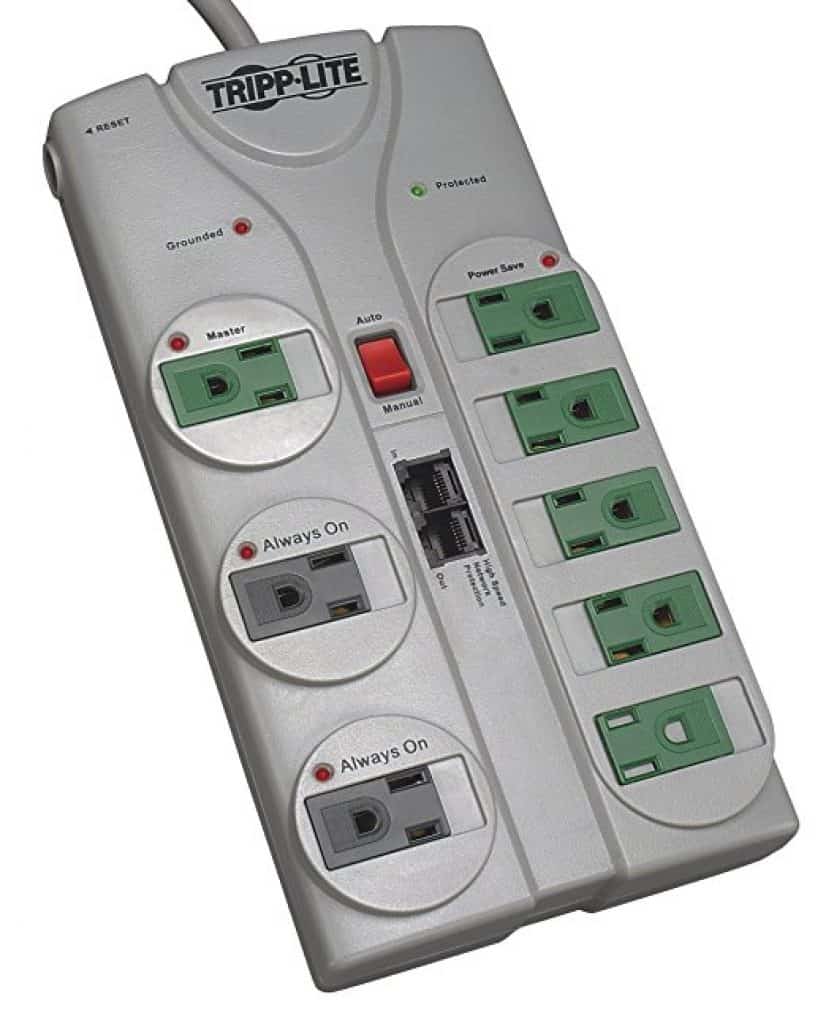
You also need individual strip units for sensitive electronics like computers, gaming consoles, and TVs. Plug these valuable devices directly into point-of-use surge protection power strips.
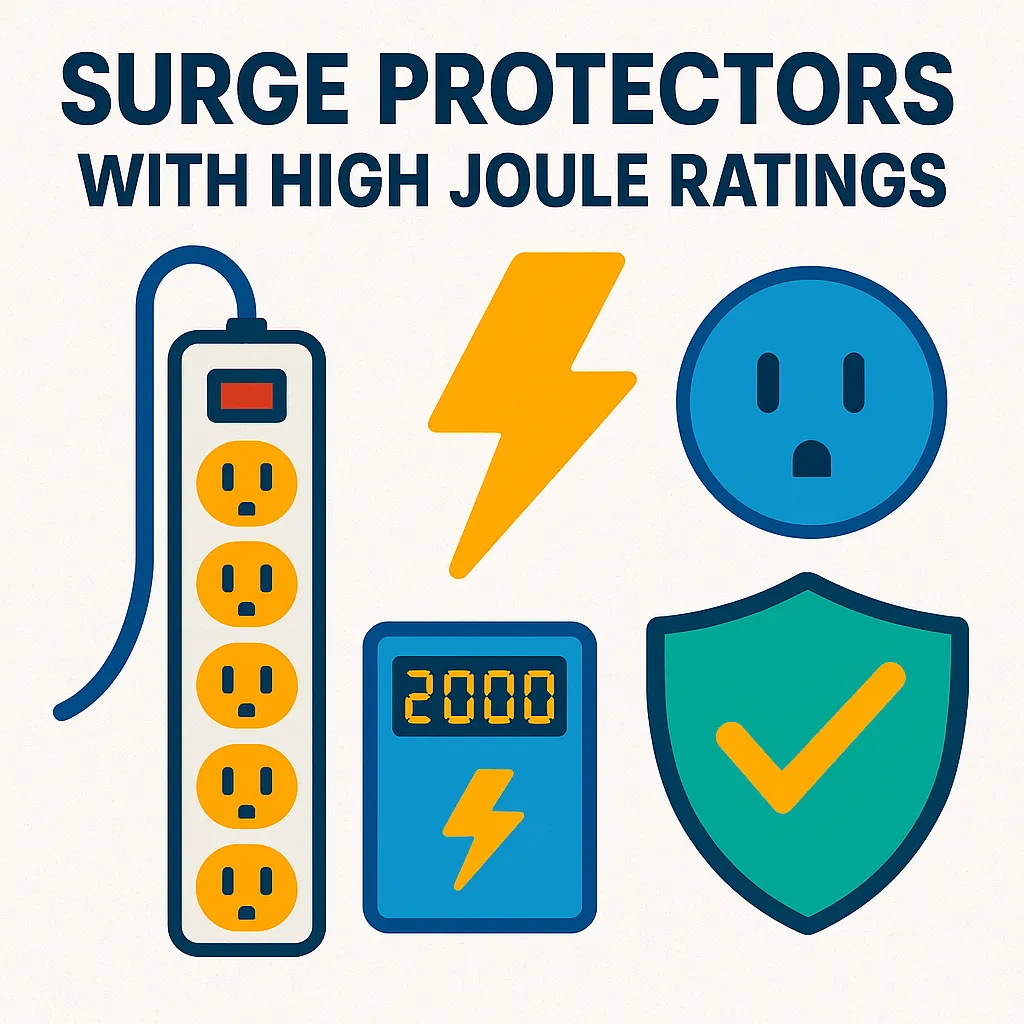
💡 Pro Tip: Choose plug-in units with a capacity of at least 2,000 Joules to stop severe surge damage to your expensive digital gear!
Scheduling Routine Electrical Inspections
A licensed electrician spots dangerous panel flaws during routine safety checks. Most standard residential inspections cost between $150 and $300, though prices range from $75 to $400 based on your home size and electrical complexity. These simple checks prevent sudden power surge hazards and protect your wallet.
Always compare your total repair costs against your insurance deductible for power surge repair and potential rate hikes. Did a grid spike cause the damage? Your insurer might recover expenses from the utility company and refund your out-of-pocket money.
FAQ
Does insurance cover a power surge?
Yes, policies usually cover an external power surge. However, standard homeowners insurance excludes damage from internal circuit overloads or poor wiring maintenance.
How does whole house surge protection help?
It blocks voltage spikes right at your main breaker board. These systems protect attached appliances and can earn you monthly insurance discounts.
Should you file an insurance claim for fried electronics?
Only file a claim if repair costs far exceed your deductible. Point-of-use surge protection prevents these small losses before they happen.