NFPA 70, the National Electrical Code (NEC), sets minimum installation rules for electrical safety in the United States. Surge and overvoltage protection requirements appear mainly in the articles that cover surge protective devices (SPDs), services, feeders, branch circuits, grounding and bonding, and certain occupancies or special systems. Exact mandates depend on the NEC edition your jurisdiction adopted and on any local amendments.
Big takeaways to keep in your pocket:
-
Type 1 SPDs are generally aimed at service-level application, Type 2 at distribution equipment, and Type 3 at point-of-use locations; the listing and markings must match how and where you install the device.
-
Ratings such as voltage protection rating (VPR), maximum continuous operating voltage (MCOV), nominal discharge current, and short-circuit current rating (SCCR) have to fit the system.
-
Location, overcurrent protection, and short connecting leads matter as much as the brand on the box.
-
Local edition year and amendments decide what the inspector can enforce.
Surge damage does not care about your warranty sticker. This article is a review aid so you know which questions to ask and which pages to open. It is not a substitute for the adopted code book or a qualified electrical professional.
- Introduction: Why surge rules show up in a wiring code
- Which NEC edition and articles actually govern SPDs
- Key rules to review before you buy or install an SPD
- Quick reference table: what to check and where to confirm it
- How designers, electricians, and building owners split the homework
- Common review mistakes that waste money or fail inspection
- Final Thoughts
- FAQ
Introduction: Why surge rules show up in a wiring code
Lightning, utility switching, and ordinary load switching inside a building can push voltage far above what electronics enjoy. The result ranges from nuisances reboots to ruined boards and downtime that costs real money. NFPA 70 (the NEC) addresses that risk with installation rules for SPDs and related wiring methods. It is a safety-focused minimum standard, not a full surge-coordination design manual. For a plain overview of what the NEC is and how it is used, NFPA’s own NEC education resources are a solid starting point.
What follows is a practical walkthrough of the rules facility owners, designers, and electricians should review before equipment is ordered or the inspector shows up, with a quick-reference table and FAQs at the end.
Which NEC edition and articles actually govern SPDs
Requirements move between code cycles. Article numbers shift, and locations that were optional in one edition can become mandatory in the next. Always work from the edition adopted by your authority having jurisdiction (AHJ). ICC code-adoption information and your state or city electrical board pages are the practical places to confirm what is enforceable.
In recent NEC editions, Article 242 (Overvoltage Protection) is the primary home for SPD rules. You still need the related provisions for services, feeders, branch circuits, grounding and bonding, and any special occupancy or system articles that apply to the project. Do not memorize a blog’s section list; open the book your AHJ enforces.
SPD Types in common NEC practice:
-
Type 1: Permitted on the supply side of the service overcurrent device in many designs; often used for service-entrance duty.
-
Type 2: Connected on the load side of the service overcurrent device, typically at feeders or panelboards.
-
Type 3: Point-of-use devices, installed with limited conductor length from the utilization equipment they protect.
Product listing and marking must match the intended application. UL’s materials on surge protective devices and manufacturer application guides explain Type designations, ratings, and installation constraints in plain language. NEMA’s surge protection guidance is another industry reference designers and inspectors commonly recognize. IEEE’s PC62 family of documents (see the IEEE Standards catalog) covers surge environment and testing concepts that sit behind many product ratings; those are design references, not a replacement for NEC text.
Key rules to review before you buy or install an SPD
Required versus optional. Newer NEC editions have expanded mandatory SPD locations for certain dwelling services and for specific systems and equipment (examples frequently discussed in industry literature include emergency systems, elevators, fire pumps, and critical operations power systems when the adopted text says so). Treat every “required” claim as verify-in-your-edition. Owners comparing whole-building options can also review practical product context such as whole house surge protection devices and service entrance surge protection, then reconcile those choices with the adopted code.
Ratings and markings. Confirm system voltage and grounding arrangement, MCOV, VPR, nominal discharge current, and SCCR against available fault current at the point of connection. How to choose and size an SPD is useful background; the nameplate and the listing instructions still win arguments with the inspector.
Installation constraints. Mount where the adopted code and the listing allow. Provide the overcurrent protection or disconnecting means the listing and NEC rules require. Keep connecting leads as short and straight as practical. Long, coiled “spaghetti” leads add impedance and let more surge voltage reach the equipment you thought you protected. Short leads beat creative wire sculpture every time. If branch-circuit protection questions come up, clarify whether the design needs a dedicated breaker and review guidance such as whether surge protection needs an MCB against the listing and the adopted NEC text.
Grounding and bonding. An SPD is not a magic amulet. It needs a low-impedance path and a correctly installed grounding electrode system and equipment bonding. Bad bonding can turn a surge event into a new hazard and can fail other NEC rules at the same time.
Replacement and maintenance. SPDs wear out after significant events. Status indicators and replacement procedures are part of keeping protection real rather than decorative. A UPS may include some surge attenuation, but it is not automatically a substitute for required permanently connected SPDs; see UPS and surge protection features when sorting layered protection.
For commercial facilities, layer Type selection, fault-current coordination, and critical-load priorities early; smart surge strategies for commercial buildings pairs well with reading Article 242 and the occupancy-specific sections in your edition. Inspector-oriented discussion of field findings often appears in IAEI Magazine articles, which are helpful for spotting installation habits that fail review.
Quick reference table: what to check and where to confirm it
|
Topic |
What the rule is aiming at |
Where to confirm |
Typical evidence on drawings or in the field |
Source / citation |
|---|---|---|---|---|
|
Mandatory SPD locations |
Safety-related minimums for defined services, occupancies, or systems |
Adopted NEC edition: Article 242 and related service/occupancy articles; local amendments |
One-line diagram notes; panel schedules; special-system specs |
Adopted NFPA 70 text; AHJ adoption page (ICC adoption overview); NFPA 70 product/info |
|
SPD Type at service vs downstream vs outlet |
Match device category to connection point |
Article 242 and product listing/marking |
Specified Type 1/2/3; installation location relative to service OCPD |
Adopted NEC; UL SPD guidance |
|
Listing, VPR, MCOV, In, SCCR |
Device suitable for system voltage, grounding, and available fault current |
SPD markings; listing instructions; short-circuit study |
Cut sheets on submittals; nameplate photos |
UL Guide Information / listing; manufacturer data; NEMA surge guidance |
|
Lead length and landing |
Limit let-through by keeping leads short and straight |
Listing instructions; good practice recognized in NEC SPD application |
As-built photos; conductor length visible at SPD |
Listing file; manufacturer application notes; IEEE surge concepts via IEEE Standards |
|
OCPD / disconnect |
Protect conductors and allow safe maintenance per listing and NEC |
Article 242 and listing; branch/feeder OCPD rules |
Breaker or fuse identified for SPD circuit |
Adopted NEC; listing instructions |
|
Enclosures indoor/outdoor |
Environmental suitability and working space |
Enclosure type rating; NEC equipment rules |
NEMA/IP type on enclosure; location on site plan |
Product listing; adopted NEC equipment provisions |
|
Grounding electrode and bonding coordination |
Effective surge path without new shock or fire hazards |
Grounding and bonding articles in adopted NEC |
GEC routing; bonding jumpers; electrode connections |
Adopted NEC; AHJ inspection checklist |
If a cell cannot be verified against your adopted edition, mark the item Verify locally rather than guessing. Primary citation is always the enforceable NEC text and amendments; UL, NEMA, IEEE, and manufacturer notes explain how to apply listed products.
How designers, electricians, and building owners split the homework
Owners and facility managers confirm the adopted code edition, name the loads that cannot tolerate downtime, and decide whether insurance carriers or internal standards demand more than NEC minimums. Budget for replacement modules, not only the first install.
Designers specify SPD Type, ratings, location, and coordination with available fault current and grounding. Detail the installation so leads stay short. Show the SPD on the one-line and in panel schedules so it survives value engineering.
Installers follow the listing instructions, land conductors on the correct terminals, apply required torque, install the correct breaker or fuse when required, and leave as-built model numbers and locations for the owner. Brochure poetry is not an installation method.
Inspectors and AHJs enforce the adopted text. They look for missing SPDs where the code makes them mandatory and for sloppy lead dress, wrong Type, or missing OCPD where SPDs are present. IAEI education content is a common shared language between installers and inspectors.
Manufacturer technical libraries from established suppliers (for example Eaton surge protection and Schneider Electric SPD product information) help translate ratings into bill-of-material choices. For broader power-quality background that is not code, public resources such as NIST publications can explain why disturbances happen; they still do not override NFPA 70.
Common review mistakes that waste money or fail inspection
-
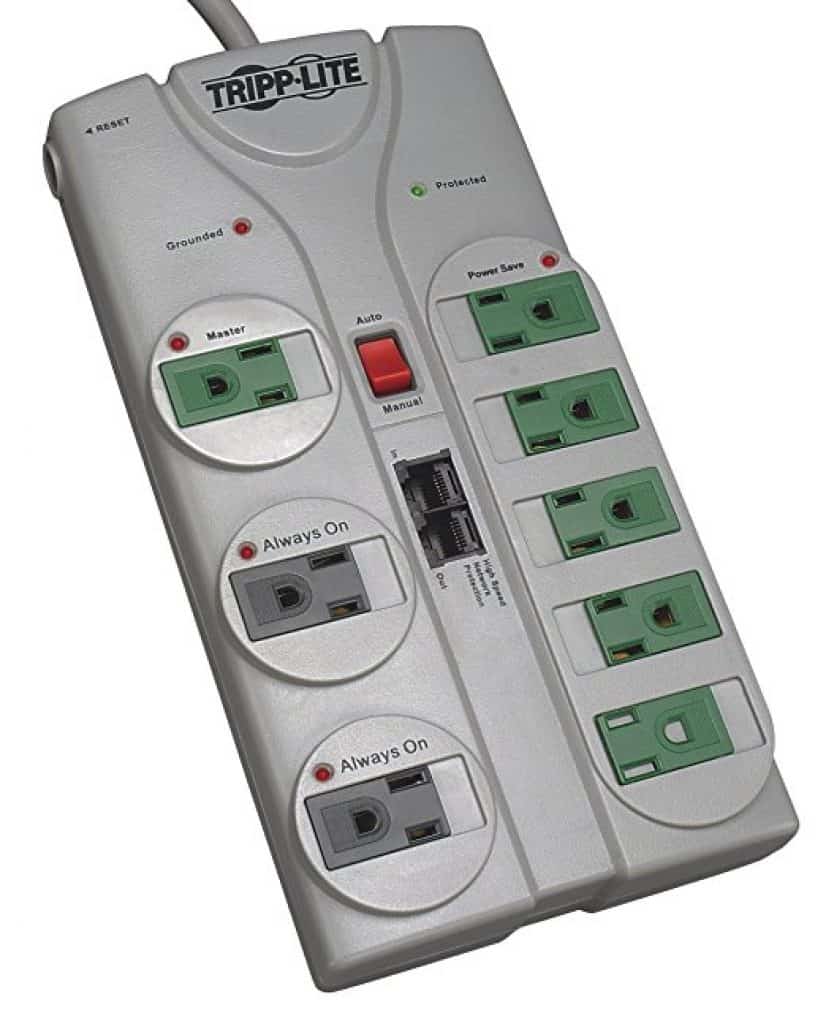
Treating a plug-in strip as if it satisfied a service-equipment or panelboard SPD mandate.
-
Ignoring available fault current so the SPD’s SCCR and the assembly rating do not line up.
-
Leaving long or coiled SPD conductors that quietly defeat the clamp you paid for.
-
Applying the wrong Type at the wrong point on the system.
-
Assuming a model-code rule applies before checking the local edition and amendments.
-
Skipping replacement after a major event or when the indicator says the module is done.
Each of these is either a listing problem, a coordination problem, or an adoption problem. None of them is fixed by optimism.
Final Thoughts
NEC surge rules are minimum installation requirements tied to safety and to specific mandatory locations in the edition your AHJ enforces. Sensitive operations may need a fuller coordinated design than the minimum. The highest-value review steps are simple: confirm the edition, confirm where SPDs are mandatory, match Type and ratings to the system, install per the listing with short leads, and document what was installed. Read the actual NFPA 70 text, and bring the AHJ or a qualified electrical professional into project decisions before concrete is poured and lead times slip. More practical Q&A lives in resources such as surge protection FAQs once you have the code context straight.
FAQ
Does NFPA 70 require surge protection in every building?
No. Mandatory SPD locations depend on the adopted NEC edition and on occupancy or system rules. Verify the local code text and amendments before buying hardware.
What is the difference between Type 1, Type 2, and Type 3 SPDs under NEC practice?
Type 1 is commonly used at service-level connection points permitted by the code and listing; Type 2 is used on the load side at distribution equipment; Type 3 is point-of-use protection with limited lead length. Match the listing mark to the location. See UL SPD information and your adopted Article 242.
Which NEC article should I open first for SPDs?
In recent editions, start with Article 242 (Overvoltage Protection), then read the related service, feeder, branch-circuit, grounding, and special-equipment articles that apply to the project. Confirm numbering in your adopted edition via NFPA’s NEC resources.
Do plug-in power strips satisfy NEC service or panel SPD requirements?
Generally no where the code requires permanently connected Type 1 or Type 2 devices at defined equipment locations. Confirm in the adopted text; strips may still help at the desk but they do not rewrite the one-line.
Why do electricians stress short SPD lead length if the product is already listed?
Listing proves the product can perform when installed as instructed. Extra lead length adds impedance and raises the voltage seen by downstream equipment, so field geometry is part of real-world performance.
How do local amendments affect NFPA 70 surge rules?
Cities and states may adopt different editions or amend mandatory SPD sections. Always check the AHJ and adoption records such as those summarized through ICC code-adoption resources.
Are SPDs a substitute for proper grounding and bonding?
No. Poor grounding or bonding undermines SPD performance and can violate other NEC rules. Fix the electrode system and bonding first, then coordinate the SPD.