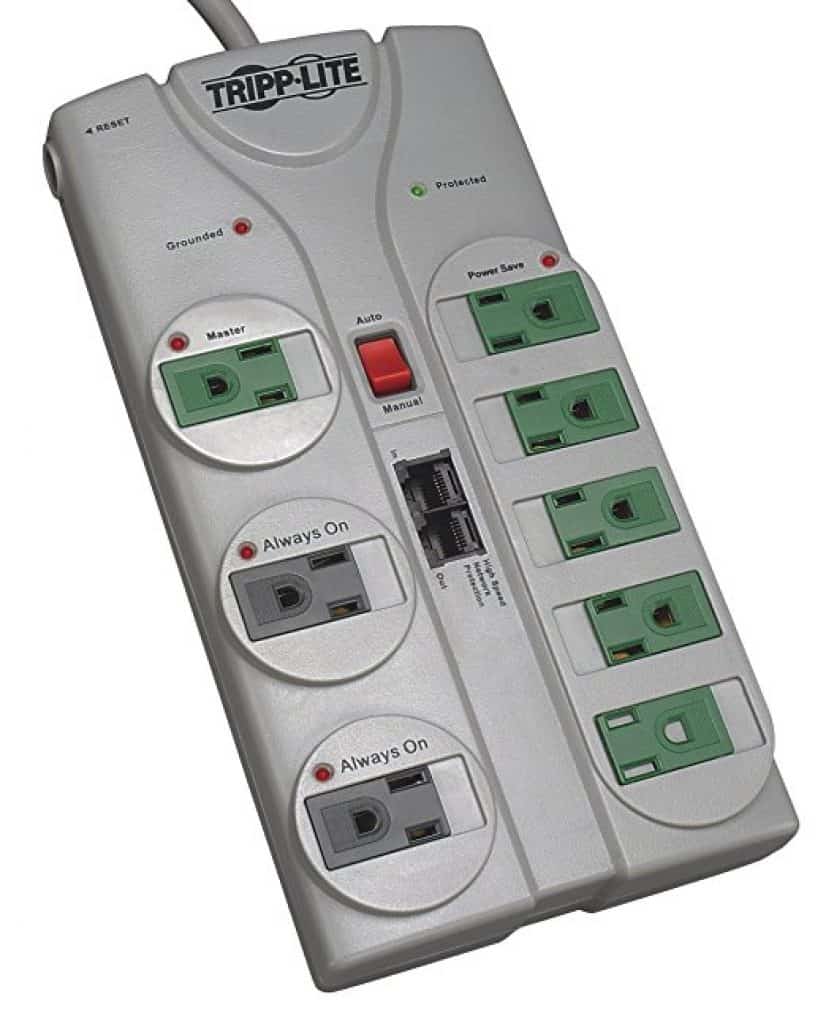
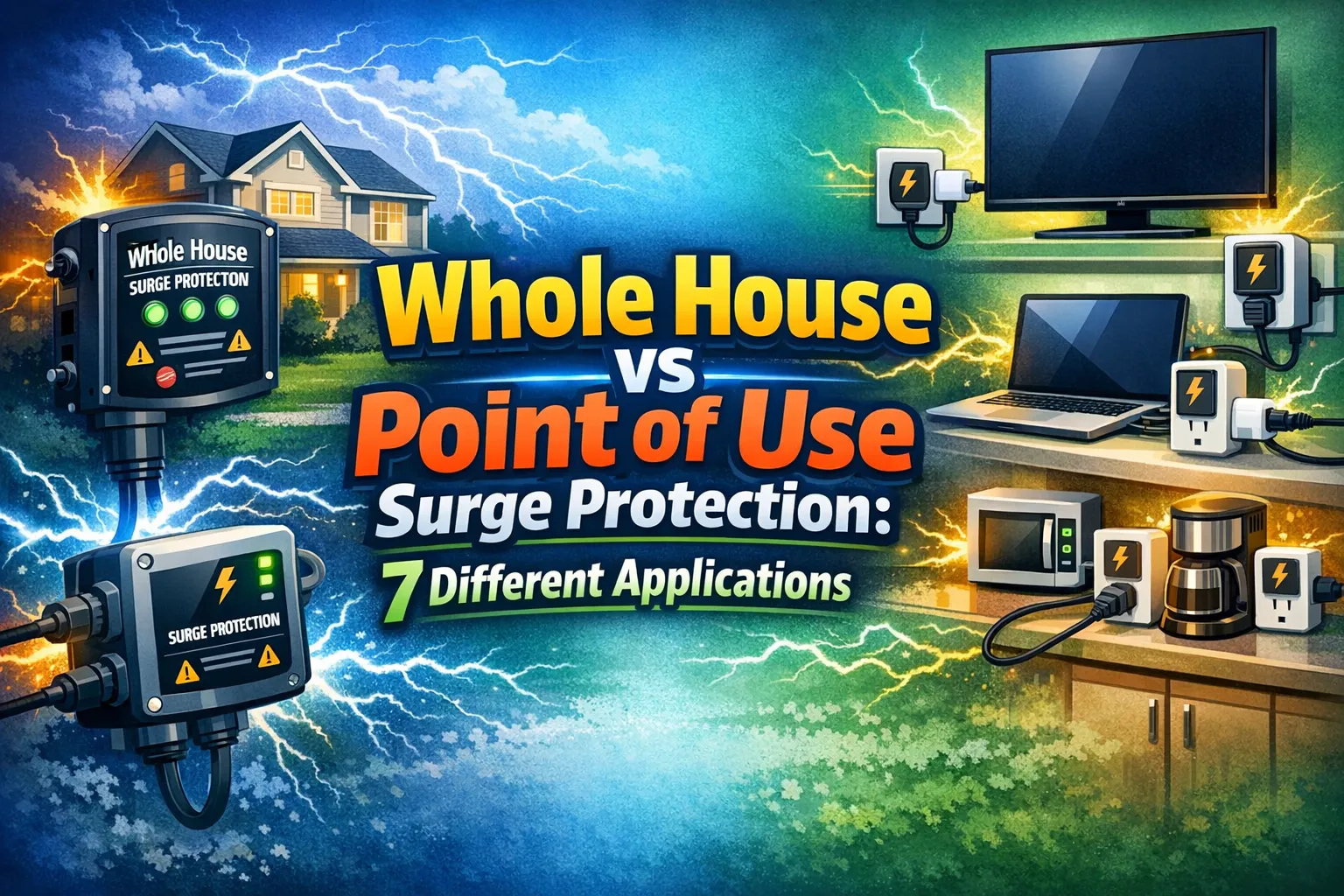
You want the best protection for your electronics and appliances, so understanding whole house vs point of use surge protection is essential. Whole house surge protection installs at your main electrical panel and shields your entire system, including hardwired equipment and 240V appliances. Point of use surge protection, such as power strips, guards only devices plugged in at a specific outlet. Each method addresses different vulnerabilities.
Layering both types provides robust home surge protection, especially when lightning or utility transients threaten sensitive electronics.
The following table illustrates their main differences:
|
Dimension |
Whole House SPD |
Point of Use SPD |
|---|---|---|
|
Installation Location |
Main panel |
Wall outlet |
|
Protection Scope |
Entire system |
Plugged-in devices only |
|
Hardwired Equipment |
Protected |
Not protected |
|
Surge Current Rating |
High |
Lower |
You gain the most reliable home surge protection when you combine whole house vs point of use surge protection. Next, you will see how each method applies to common household scenarios.
Key Takeaways
-
Whole house surge protectors shield your entire electrical system from large surges, protecting hardwired appliances and circuits.
-
Point-of-use surge protectors focus on individual devices, offering targeted protection for sensitive electronics like computers and TVs.
-
Combining both whole house and point-of-use surge protection creates a layered defense, maximizing safety against both external and internal surges.
-
Regular inspections of surge protection devices ensure they function properly, maintaining reliable defense for your home.
-
Investing in surge protection reduces repair costs and extends the lifespan of your valuable electronics and appliances.
Whole House vs Point of Use Surge Protection Overview
Whole House Surge Protection Basics
You need whole house surge protectors to defend your entire electrical system from damaging power surges. These devices install at your main panel and act as the first line of defense. Whole-house surge protection intercepts high-energy surges that enter your home from external sources, such as lightning or utility grid fluctuations. According to the National Electrical Manufacturers Association, 60% to 80% of power surges originate from internal sources within your home.
Whole house surge protectors provide comprehensive coverage, shielding hardwired appliances and all circuits. When installed correctly, these protectors block or redirect up to 85 to 90 percent of surges that reach your home.
For routine surges caused by appliances or power fluctuations, their effectiveness approaches 100 percent. You gain a high level of surge protection for every outlet and device, including those that cannot use plug-in protectors.
Point of Use Surge Protection Basics
Point-of-use surge protectors focus on individual devices. You plug them into wall outlets to protect sensitive electronics like computers, televisions, and smart home devices. Smaller power surges occur frequently, especially when high-powered equipment such as air conditioners or refrigerators cycles on and off. These surges can damage electronics over time. Point-of-use surge protectors handle these routine voltage spikes, offering a high level of surge protection for your most valuable gadgets. You rely on them to safeguard devices that require extra care, especially in areas where whole-house surge protection may not reach.
Layered Protection Approach
You achieve optimal home surge protection by combining whole house surge protectors with point-of-use surge protectors. This layered strategy ensures that each device receives targeted protection. The three-stage model includes a service entrance protector, sub-panel protector, and point-of-use protector. Each stage shares the energy load, preventing any single device from being overwhelmed.
For example, a homeowner with a main panel protector and point-of-use protectors at sensitive equipment successfully mitigated a massive surge, saving thousands in potential damages. You protect your electrical system, appliances, and electronics from both large external surges and frequent internal spikes. This approach delivers a high level of surge protection and reduces the failure rate of electrical devices.
Applications Comparison
Kitchen Appliances
You rely on your kitchen appliances every day, but they face constant threats from power surges. These surges can come from lightning, utility grid switching, or even the cycling of large appliances like refrigerators and air conditioners. When voltage exceeds safe levels, it can overload circuits, create damaging arcs, and gradually erode the electronic components inside your appliances. Over time, repeated small surges can shorten the lifespan of your kitchen equipment.
Whole house surge protectors serve as your primary defense. They intercept large surges at the main panel, protecting all hardwired appliances, including those that cannot use plug-in devices.
However, for appliances with advanced electronics or digital controls, you gain extra security by adding a point-of-use surge protector. This layered approach ensures that both major and minor surges are managed before they reach your kitchen devices.
Tip: Layered protection is especially important in kitchens with high-end or smart appliances. You reduce the risk of corrupted programming and costly repairs.
Home Theater Systems
Home theater systems contain some of the most sensitive and expensive electronics in your home. A single surge can cause catastrophic damage, resulting in repair costs that often reach thousands of dollars.
For example, homeowners have faced losses of $5,000 or more from surge-related failures, with insurance settlements sometimes exceeding $10,000.
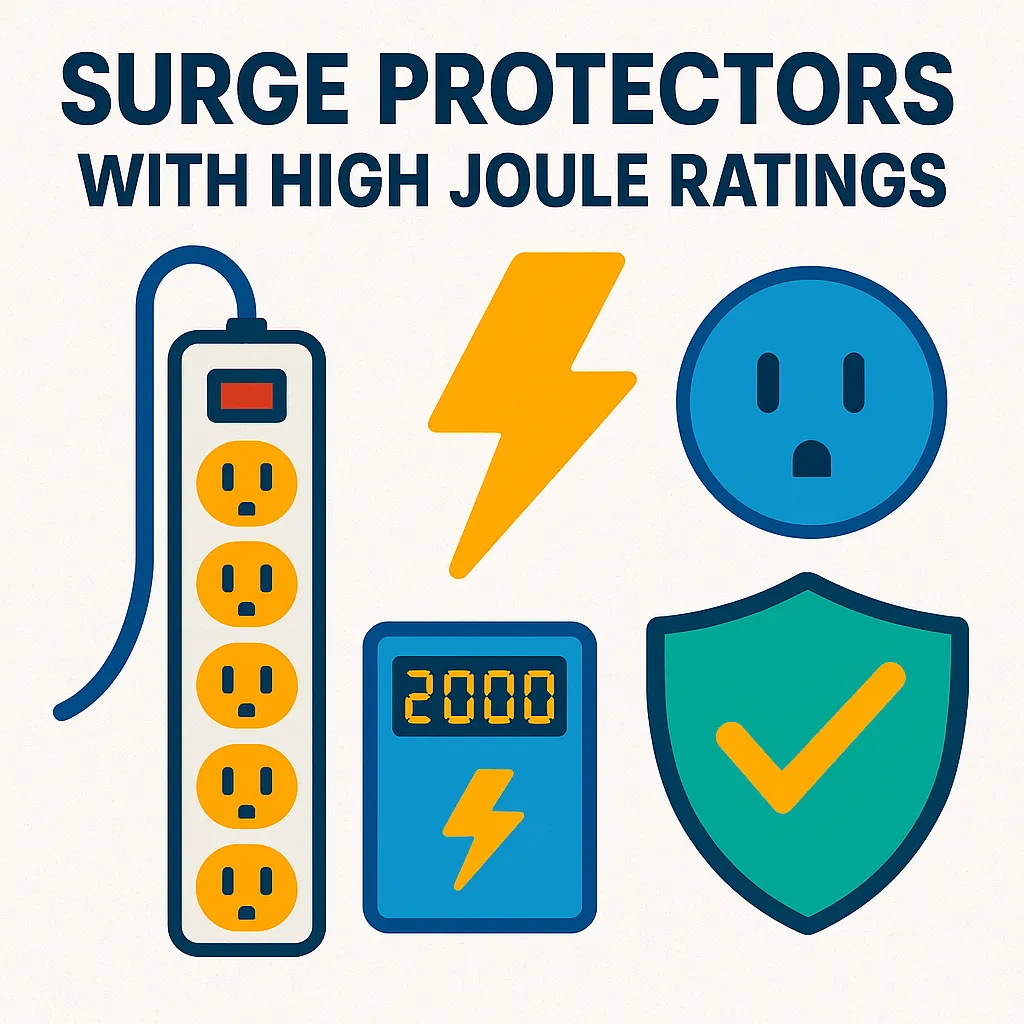
You should use a point-of-use surge protector with a high joule rating (2,000+ joules) and battery backup for your home theater. This device clamps residual voltage and provides backup power during outages, preventing data loss and equipment failure.
Whole house surge protectors add a crucial first line of defense, reducing the risk of large surges entering your system.
|
Application |
Recommended Protection |
Why It Matters |
|---|---|---|
|
Home Theater System |
Point-of-use (Type 3) + Whole house |
Prevents equipment failure and costly repairs |
You maximize protection and minimize financial risk by combining both methods, especially in areas prone to storms or grid fluctuations.
HVAC Equipment
Your HVAC system represents a significant investment. Power surges can damage compressors, control boards, and thermostats, leading to expensive service calls and downtime. Whole house surge protectors offer comprehensive coverage for all circuits, ensuring that every component of your HVAC system receives protection.
The advantages of using whole house surge protectors for HVAC equipment include:
-
Full-panel defense for all outlets and hardwired appliances.
-
Extended lifespan for electronics and motors.
-
Fewer unplanned interruptions and costly repairs.
-
Enhanced safety when combined with point-of-use devices.
-
Greater peace of mind during severe weather.
You should consider adding point-of-use protection for smart thermostats or connected controls. This layered strategy ensures that both large and small surges are neutralized before they can cause harm.
Computers & Office Devices
Computers and office devices require the highest level of surge protection. These sensitive devices can fail from even minor voltage spikes. You should always use a point-of-use surge protector at the outlet where your computer or office equipment connects. This device acts as the final clamping stage, reducing let-through voltage to safe levels.
Whole house surge protectors play a vital role by blocking large surges at the service entrance and lowering voltage spikes before they reach your workspace. When you combine both methods, you ensure that if one device fails, the other continues to provide protection.
Note: Layered protection is essential for home offices, especially if you work remotely or store critical data on your devices.
Laundry Appliances
Washers and dryers contain advanced electronics that are vulnerable to power surges. Repeated small surges can degrade internal components, leading to premature failure. Large surges, especially after power restoration, can short-circuit control boards and cause lasting damage.
You should install whole house surge protectors at your main panel to manage significant external surges. For added security, use point-of-use surge protectors for washers and dryers with digital controls. This layered approach minimizes the risk of both immediate and long-term damage. You protect your investment and avoid unexpected breakdowns by implementing a comprehensive surge protection strategy for your laundry room.
Garage Tools
Garage tools and equipment, such as power tools and battery chargers, face unique surge risks. High-draw devices like circular saws should plug directly into outlets or heavy-duty extension cords to prevent voltage drop and breaker trips.
For battery chargers and workbench electronics, a dedicated power strip with surge protection is advisable.
Whole house surge protectors shield all outlets in your garage from large surges. However, point-of-use surge protectors provide targeted defense for radios, computers, or chargers that remain plugged in. This combination ensures that both your heavy-duty tools and sensitive electronics receive the appropriate level of protection.
Smart Home Devices
Smart home devices rely on delicate electronic circuits that are highly sensitive to voltage fluctuations. A single surge can disrupt their operation or cause permanent failure. Whole house surge protectors, installed at the main panel, regulate incoming voltage and protect all connected devices from transient surges caused by storms or grid issues.
You should use point-of-use surge protectors for hubs, smart speakers, or other critical smart devices. This layered defense ensures that even the most sensitive devices remain safe from both external and internal threats.
Tip: Homes with older electrical systems or frequent power fluctuations benefit most from a layered surge protection strategy.
Quick Reference Table
You want to make the right decision for your home’s surge protection. After reviewing the different applications, you may still wonder which method works best for each area. A quick reference table helps you see the recommended protection at a glance. This table gives you a clear answer for each application, so you can prioritize your investments and avoid costly mistakes.
You need to understand why certain methods suit specific devices. Whole house surge protectors offer broad coverage and handle large surges from external sources. Point-of-use protectors focus on sensitive electronics and manage smaller, routine spikes. When you combine both, you create a layered defense that addresses every vulnerability in your home.
Here is a quick reference table to guide your decisions:
|
Application |
Whole House SPD |
Point-of-Use SPD |
Layered Protection Recommended |
|---|---|---|---|
|
Kitchen Appliances |
✔️ |
✔️ |
✔️ |
|
Home Theater Systems |
✔️ |
✔️ |
✔️ |
|
HVAC Equipment |
✔️ |
(optional) |
✔️ |
|
Computers & Office |
✔️ |
✔️ |
✔️ |
|
Laundry Appliances |
✔️ |
✔️ |
✔️ |
|
Garage Tools |
✔️ |
✔️ |
✔️ |
|
Smart Home Devices |
✔️ |
✔️ |
✔️ |
You can use this table as a checklist when planning your surge protection strategy. You ensure every device receives the right level of defense, and you protect your investments for years to come.
You gain the most reliable surge protection by combining whole house and point-of-use devices.
-
Type 1 surge arresters defend against large surges at the service entrance, such as lightning strikes.
-
Type 2 surge arresters protect sensitive electronics from smaller, internal surges.
-
Layered protection manages both external and internal threats, reducing risk across all applications.
A licensed electrician should install whole-home surge protectors. Professional assessment ensures your system meets safety standards and addresses hidden electrical issues.
You protect your home and investments when you choose a comprehensive, professionally installed surge protection strategy.
FAQ
Why do you need a surge protection device for your home?
You need a surge protection device because it shields your electronics and appliances from sudden voltage spikes. Without this protection, high surge events can damage or destroy valuable equipment. You reduce repair costs and extend the lifespan of your devices.
Why is a layered surge protection system recommended?
You benefit from a layered surge protection system because it addresses both external and internal surges. This approach gives you comprehensive coverage. You protect sensitive electronics from minor spikes and guard your entire home against major surges.
Why is point-of-use protection considered cost effective protection?
You find point-of-use protection to be cost effective protection since it targets only your most sensitive devices. You avoid unnecessary expenses by protecting high-value electronics without upgrading your entire electrical system. This method suits renters or those with limited budgets.
Why should you worry about high surge events even with modern appliances?
You should worry about high surge events because modern appliances contain delicate electronic components. Even a single large surge can cause permanent failure. You protect your investment and avoid unexpected breakdowns by preparing for these unpredictable events.
Why do professionals recommend regular inspection of surge protection devices?
You should schedule regular inspections to ensure your surge protection device works properly. Over time, these devices can wear out or lose effectiveness. You maintain reliable defense for your home by checking and replacing them as needed.