Main Highlights
-
California’s 2022 Energy Code (Title 24, Part 6) requires hardwired surge protective devices (SPDs) for all new dwelling units and specific nonresidential equipment, effective January 1, 2023.
-
Residential compliance demands a Type 1 or Type 2 SPD at the service panel or feeder, UL 1449 listed, with a nominal discharge current rating (In) of at least 10 kA.
-
Nonresidential projects must protect emergency systems, fire pumps, elevators, and other critical loads under Section 120.6.
-
Failing to install the correct SPD risks permit sign-off delays, failed inspections, equipment damage, and increased contractor liability.
-
This guide delivers the code details, product selection criteria, installation best practices, and common mistakes contractors must avoid.
Introduction
California’s 2022 Energy Code inserted mandatory surge protection into the daily reality of every electrical contractor and builder working in the state. The mandate, housed in Title 24, Part 6, went live on January 1, 2023, and applies to all new residential construction as well as certain nonresidential occupancies. For business owners, this is not a footnote. It is a hard requirement that directly affects project schedules, inspection outcomes, and long-term client satisfaction. Contractors who master the new rules now gain a competitive edge, while those who treat surge protection as an afterthought will face callbacks and code violations.
What Title 24 Requires for Surge Protection
The code splits the requirement into two main categories. Residential projects fall under Section 150.0(s), which states that each dwelling unit must have a surge protective device installed at the service panel or at the feeder serving that unit. Nonresidential buildings with emergency systems, fire pumps, elevators, or other equipment designated by the code must follow Section 120.6 and protect those loads with an SPD.
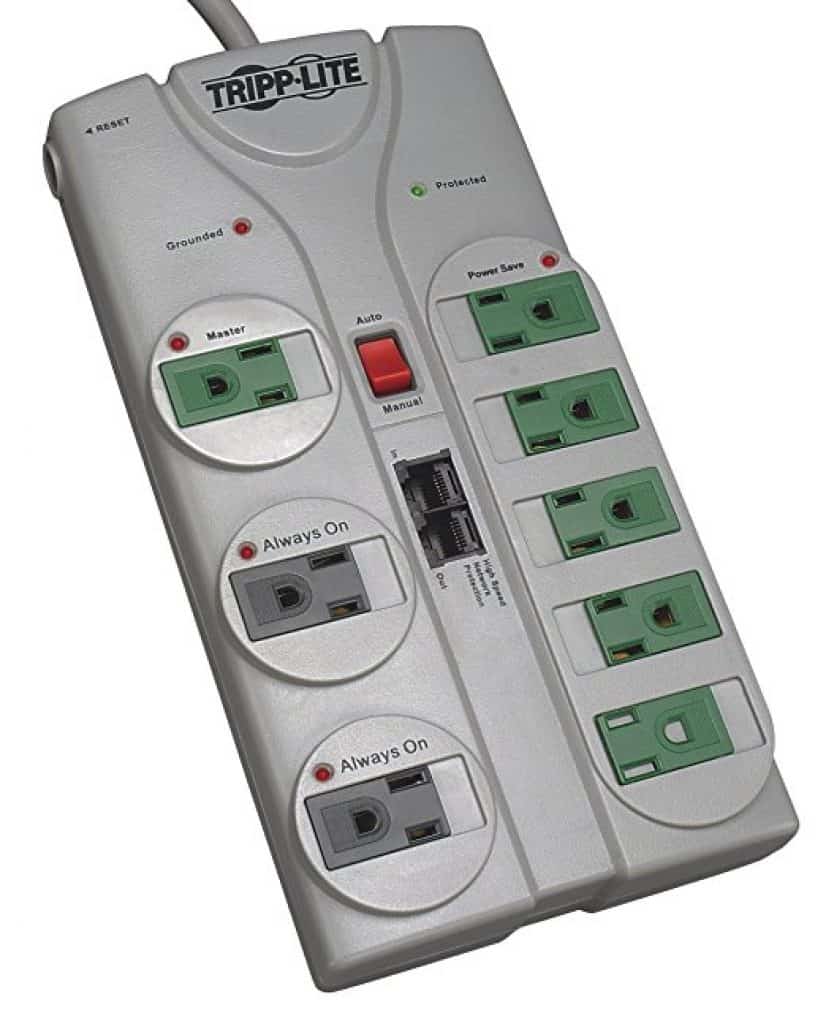
All SPDs must be listed to UL 1449 and be either Type 1 or Type 2. The minimum nominal discharge current rating (In) is 10 kA, a threshold that rules out plug-in or power-strip devices. The table below summarizes the core compliance points.
|
Building Type |
Code Section |
SPD Type |
Required Location |
Minimum In Rating |
|---|---|---|---|---|
|
New dwelling units (single-family, multifamily) |
150.0(s) |
Type 1 or Type 2 |
Service equipment or feeder for each unit |
10 kA |
|
Nonresidential critical loads (emergency, fire pump, elevator) |
120.6 |
Type 1 or Type 2 |
At the distribution equipment serving the load |
10 kA |
The full code language is available from the California Energy Commission’s 2022 Building Energy Efficiency Standards.
Why the Code Changed: The Business Case for Surge Protection
California’s grid instability, growing wildfire risk, and the proliferation of sensitive electronics inside homes and businesses made surge protection a necessity, not an upgrade. Smart appliances, home automation systems, and EV chargers all contain microprocessors that a single voltage spike can destroy. A whole-house SPD at the service entrance prevents that damage before it reaches downstream equipment.
Contractors who explain this to clients can shift the conversation from a code mandate to an asset protection strategy. The Insurance Institute for Business & Home Safety (IBHS) notes that power surges are a leading cause of premature electronic failure and that properly installed SPDs reduce equipment damage claims. Presenting surge protection as a way to safeguard the client’s investment in solar inverters, EV chargers, and control systems builds trust and often leads to additional service work.
Selecting the Right Surge Protective Device
Type 1 and Type 2 SPDs differ primarily in their installation location. A Type 1 device can be connected on the line side of the service disconnect, ahead of the main breaker. This makes it suitable for new services or when retrofitting a meter socket adapter. Type 2 devices install on the load side of the service disconnect, typically inside the main panel via a dedicated breaker.
Key specifications to compare include the Voltage Protection Rating (VPR), Maximum Continuous Operating Voltage (MCOV), Nominal Discharge Current (In), and Short Circuit Current Rating (SCCR). The VPR indicates the let-through voltage the device allows during a surge; lower values provide better protection. The SCCR must equal or exceed the available fault current at the installation point. When sizing an SPD for a project, refer to the manufacturer’s instructions and How to Choose and Size the Right Surge Protection Device.
|
Feature |
Type 1 SPD |
Type 2 SPD |
|---|---|---|
|
Installation location |
Line side of service disconnect (before main breaker) |
Load side of service disconnect (panel breaker) |
|
Typical use case |
New service, meter socket adapter, outdoor |
Main panel retrofit, subpanel (if allowed by code) |
|
Pros |
No dedicated breaker needed; can be installed outdoors |
Easier retrofit; wide model availability |
|
Cons |
May require utility coordination; limited panel space not an issue |
Requires a dedicated breaker; lead length matters |
|
Example models |
Eaton CHSPT1ULTRA, Siemens FS140 |
Eaton CHSPT2SURGE, Schneider Electric HEPD80 |
Manufacturer resources: Eaton surge protection, Siemens FirstSurge, Schneider Electric SPDs. For whole-house residential projects, the 5 Best Whole House Surge Protection Devices Reviewed provides a comparison of field-proven units.
Installation Best Practices for Compliance
Lead length is the enemy of surge protection. The NEC Article 285 requires that SPD conductors be kept as short and straight as possible. Every inch of wire adds impedance, increasing the let-through voltage that reaches the protected equipment. Mount the SPD as close as practical to the service or feeder, and avoid sharp bends.
Bond the SPD to the grounding electrode system using the shortest path. A separate ground rod is not required and can create a ground loop; connect to the existing grounding conductor. Verify that the SPD’s SCCR matches the available fault current at the panel. The device must be coordinated with the overcurrent protection specified by the manufacturer.
Label the SPD and provide a copy of the manufacturer’s installation instructions for the inspector. The NEMA Surge Protection Institute offers free training on proper SPD installation, and the Mike Holt technical article on surge protection clarifies NEC compliance details.
Common Compliance Pitfalls and How to Avoid Them
The most frequent mistake is specifying a plug-in surge strip or a receptacle-type device instead of a hardwired Type 1 or Type 2 SPD. Those products do not satisfy Title 24, regardless of their joule rating. Another error is installing the SPD on a subpanel when the code requires protection at the service entrance or feeder. While a downstream SPD can supplement the main device, it cannot replace the required primary unit.
Failing to verify the UL 1449 listing is a sure way to fail inspection. The listing mark must appear on the device itself. Some contractors overlook the minimum 10 kA In rating; an SPD with a lower value, even if UL listed, will not pass. For commercial projects, missing the critical-load list under Section 120.6 is a common oversight. Always cross-check the building’s equipment schedule against the code. A sample residential inspection checklist from the IAEI helps confirm grounding, labeling, and device location before the inspector arrives.
Final Thoughts
Title 24 surge protection is a code floor, not a ceiling. Contractors who treat it as a baseline and educate clients on enhanced protection for high-value electronics, EV chargers, and commercial equipment create a revenue stream that also reduces liability. The mandate aligns with broader trends: grid modernization, electrification, and wildfire safety. Staying current through manufacturer training and resources like Smart Surge Protection Strategies for Commercial Buildings positions a business as a trusted advisor, not just an installer.
Frequently Asked Questions
What is the difference between Type 1 and Type 2 SPDs?
A Type 1 SPD connects on the line side of the service disconnect, before the main breaker, while a Type 2 SPD installs on the load side, typically inside a panel via a dedicated breaker. Both meet Title 24 when UL 1449 listed and rated at least 10 kA In.
Do I need surge protection for a remodel or addition?
If the scope of work triggers a new dwelling unit or adds a feeder that serves a dwelling unit, the SPD requirement applies. For smaller remodels that do not alter the service or add a unit, the code does not mandate retrofitting, but it is a recommended upgrade. Check with the local authority having jurisdiction.
Can I install an SPD at a subpanel instead of the main service?
No. Title 24 requires the primary SPD at the service equipment or feeder for the dwelling unit. A subpanel SPD may be added as supplementary protection but does not satisfy the code requirement.
How do I know if an SPD is UL 1449 listed?
The UL listing mark is printed on the device label. You can also verify the model in the UL Product iQ database. Always check the physical label before installation.
What happens if I don’t comply with Title 24 surge protection?
The project will not pass the final electrical inspection, preventing occupancy or certificate of completion. Non-compliance also exposes the contractor to liability if a surge damages equipment and the absence of a required SPD is discovered.