You want your lights to shine all season, even when storms hit. Rain, wind, and voltage spikes can kill a display fast. With solid waterproofing, a surge protector for outdoor christmas lights, and outdoor rated gear, you can keep everything safe. Use this guide to protect your setup and enjoy a bright, worry free show.
Key Takeaways
-
Always use outdoor-rated lights and cords. Look for a UL mark to ensure safety and prevent electrical hazards.
-
Secure your decorations with plastic clips or stakes. This prevents damage from wind and rain.
-
Unplug your lights during heavy rain or storms. This protects your display from power surges and keeps your home safe.
Quick Tips for Outdoor Lighting Safety
You want your outdoor lighting to look great and stay safe, even when the weather turns rough. Let’s walk through some simple steps you can take right now to protect your holiday display.
Use Outdoor-Rated Lights and Cords
Always choose lights and extension cords labeled for outdoor lighting. These products have thick, weather-resistant insulation that blocks moisture and UV rays. Outdoor-rated cords often come with grounded three-prong plugs and lighted ends for visibility. Look for a red UL mark or similar certification to make sure your lights are safe for outdoor use.
Using the right voltage matters, too. Double-check the voltage and wattage before plugging in your lights to avoid electrical fires or damage.
Secure Decorations and Lights
Wind and rain can knock decorations loose or expose wires. Secure your outdoor lighting with plastic clips or stakes instead of nails or metal fasteners. Place lights under overhangs or away from sprinklers to keep them dry. Use outdoor-rated timers to automate your display and reduce the need for manual plugging and unplugging.
Cover any unused outlets with plug protectors to keep water out.
|
Description |
|
|---|---|
|
Frayed wires or exposed conductors |
Unplug and discard damaged strings to remove arcing risk. |
|
Cracked or loose sockets and plugs |
Replace or repair faulty connectors to avoid overheating. |
|
Non-UL or unlisted lights |
Use certified products rated for the environment where you’ll install them. |
|
Moisture on connectors or outlets |
Keep plugs dry and use weatherproof covers to prevent shorts. |
Unplug During Heavy Rain
If a big storm is on the way, unplug your outdoor lighting. This simple step protects your lights from power surges and keeps your home safe. Outdoor GFCI outlets add another layer of safety by cutting power if moisture or faults occur. Always inspect cords for cracks or worn spots before plugging them back in.
You can enjoy a bright, festive yard without worry by following these quick tips for outdoor lighting safety.
Waterproofing Connections
You’ve already learned how to keep your outdoor lights safe with the right products and smart placement. Now, let’s talk about waterproofing connections. This step keeps water intrusion from ruining your holiday display and helps your lights last through storms.
Seal Connections with Tape or Tubing
Waterproofing starts with sealing every spot where water could sneak in. You might think electrical tape or duct tape will do the trick, but water can still find its way inside over time. Instead, try these options for waterproof connections:
-
Use electrical tape as a quick fix, but don’t rely on it for long-term weatherproofing electrical connection points.
-
Duct tape can help in a pinch, though it may not block moisture for the whole season.
-
For a more reliable solution, grab inexpensive plastic containers. Cut a small hole for each cord, then snap the lid shut over your plug connections. This simple DIY hack creates a barrier that keeps water out.
-
You can also find waterproof devices like cord protectors or weatherproof boxes at most hardware stores. These products snap shut around your plugs and keep them dry.
Elevate and Cover Plugs
Don’t let your plugs sit on the ground. When plugs rest in puddles or wet grass, water intrusion becomes a real risk. You can keep your lights working all season by following a few easy steps:
-
Place plugs on bricks, hang them from hooks, or use cord protectors to keep them off the ground.
-
Run your cords through elevated hooks or conduit to keep connections dry and intact.
-
Use waterproof covers for all outdoor outlets. These covers shield your plugs from rain and splashes.
-
Try inexpensive plastic containers or weatherproof boxes to cover connections where cords meet.
Keeping plugs dry and elevated helps your lights stay safe and reliable. You’ll avoid short circuits and reduce the chance of electrical hazards.
GFCI Outlets for Outdoor Lighting
GFCI outlets add another layer of waterproofing to your outdoor setup. These outlets cut power instantly if they sense moisture or a fault, which protects you from shocks and keeps your lights safe. You should always use GFCI outlets for outdoor Christmas lights, especially in areas exposed to rain or snow.
-
Install outdoor electrical outlet covers to prevent water from getting inside.
-
GFCI outlets help prevent short circuits and protect anyone who plugs in outdoor tools or decorations.
-
If you don’t have GFCI outlets outside, consider hiring an electrician to install them. It’s a smart investment for safety and peace of mind.
Waterproofing your connections takes a little extra effort, but it pays off with a bright, worry-free holiday display.
You’ll spend less time fixing problems and more time enjoying the season.
Surge Protection for Outdoor Christmas Lights
You’ve waterproofed your connections and kept your plugs dry, but storms can still threaten your outdoor Christmas lights. Power surges can strike without warning, damaging your display and even your home’s electrical system. Surge protection is your best defense.
Let’s break down what causes these surges, how a surge protector for outdoor Christmas lights works, and how you can install a surge protection device for peace of mind.
Causes of Power Surges
You might wonder why your lights sometimes flicker or fail after a storm. Power surges are sudden spikes in voltage that can fry delicate bulbs and circuits. Several things can trigger these surges, especially during the busy holiday season:
-
Overloading circuits by plugging in too many lights at once. This can cause your system to shut down to prevent overheating.
-
Neighborhood-wide electricity use spikes. When everyone on your street lights up their homes, the local power grid can struggle, leading to voltage drops and surges.
-
Poor use of extension cords. Using the wrong type or overloading them can cause overheating and outages.
-
Harsh winter weather. Cold snaps increase heating demands, putting extra load on the grid.
-
Power company load switching. Sometimes, the utility company redistributes electricity, causing brief but damaging surges.
-
Outdated electrical panels. Older panels may not handle the extra circuits needed for your holiday display, leading to overloads.
Even if you follow every safety tip, these factors can still put your outdoor Christmas lights at risk. That’s why surge protection matters.
Surge Protector for Outdoor Christmas Lights
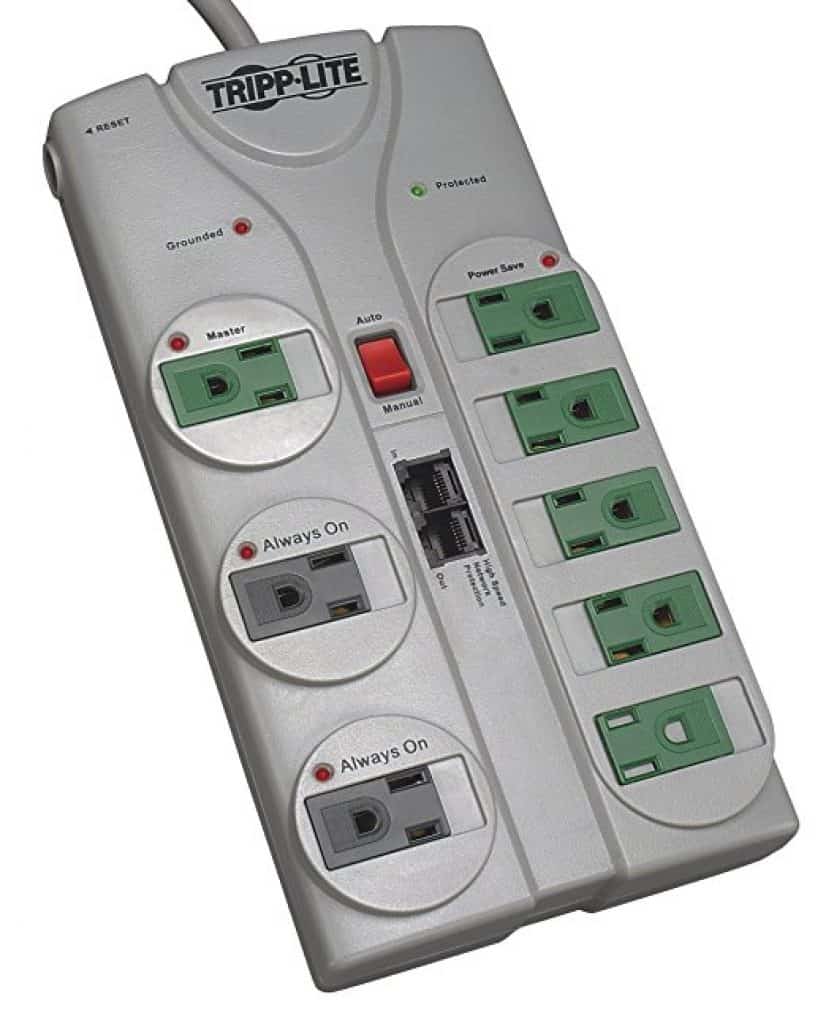
A surge protector for outdoor Christmas lights acts like a shield, absorbing excess voltage before it reaches your decorations. Not all surge protectors are created equal, though. You want one designed for outdoor use, with features that match your setup. Here’s what to look for:
|
Feature |
Description |
|---|---|
|
SPDs are categorized into Type 1, Type 2, and Type 3, each providing different levels of protection. |
|
|
Proper Grounding |
Essential for directing excess energy safely into the ground, preventing damage to electrical components. |
|
Waterproof Ratings |
An IP65 rating ensures dust-tight and water-resistant features, while IP67 offers higher protection. |
|
Maintenance Practices |
Regular monitoring is necessary as surge protectors degrade over time with use. |
You should always choose a surge protector for outdoor Christmas lights that has a high waterproof rating. Look for IP65 or higher. Proper grounding is a must. Without it, even the best surge protection device can’t keep your lights safe.
Remember to check your surge protector every season. They wear out over time, especially after big storms.
Surge protectors are designed to neutralize mini-surges and overloads, which are common during electrical storms. They provide essential protection for outdoor Christmas lights by safeguarding against unexpected voltage spikes. Whole-house surge protectors also limit surges to safer levels, which is crucial for protecting outdoor electrical systems and electronics during storms.
If you want extra peace of mind, plug-in surge protectors add another layer of defense for your display.
Choosing Durable Outdoor Lighting
You want your holiday display to last through every storm. Picking the right weatherproof christmas lights makes all the difference.
Let’s look at what to check before you buy.
Weatherproof Ratings and Labels
Start by checking the waterproof rating on the box. The IP (Ingress Protection) rating tells you how well your lights stand up to water and dust. Here’s a quick guide:
|
IP Rating |
Description |
|---|---|
|
IP20 |
Indoor use only — no moisture protection. |
|
IP44 |
Splash-resistant — good for covered porches or under eaves. |
|
IP65/67 |
Dust-tight and water-jet/immersion resistant — best for exposed spots like rooflines or trees. |
Lights with a higher waterproof rating last longer outdoors. You get better protection from rain, snow, and dust. If you want your weatherproof christmas lights to survive the season, go for IP65 or IP67.
Tip: Higher IP ratings mean your lights can handle more extreme weather. Weatherproof christmas lights with IP65 or IP67 ratings are perfect for heavy rain or snow.
LED vs. Incandescent
Choosing between LED and incandescent bulbs affects how long your display shines. Here’s what you need to know:
-
Incandescent lights last 1,000–2,000 hours. They break easily and may need replacing during the holidays.
-
LED lights last up to 50,000 hours. They use tough polycarbonate, so they rarely break.
-
LEDs save energy and money. You’ll pay less on your electric bill and spend less time fixing broken bulbs.
|
Monthly Cost |
Energy Efficiency |
|
|---|---|---|
|
Incandescent |
$10-15 |
10% |
|
LED |
$2 |
90% |
LED weatherproof christmas lights also pose fewer safety risks. They don’t shatter like glass bulbs and resist water and debris.
Commercial-Grade Options
If you want the toughest lights, try commercial-grade options. These lights last up to 100,000 hours and can handle harsh weather year after year.
|
Type of Lights |
Lifespan |
|---|---|
|
Commercial-grade lights |
Up to 100,000 hrs |
|
Consumer-grade lights |
1-2 years |
Commercial-grade weatherproof christmas lights give you brighter displays, fewer replacements, and peace of mind. They cost more upfront but save you money and hassle in the long run.
Maintenance and Inspection
You’ve picked tough, weatherproof lights for your display. Now, let’s talk about keeping them in top shape all season. Regular maintenance and inspection help your outdoor Christmas lights shine bright, even after storms or freezing nights.
Regular Checks Before and After Storms
Storms can leave behind puddles, debris, and damaged wires. You should check your lights before and after any rough weather. Look for frayed cords, cracked bulbs, or loose connections. Move parts away from standing water and inspect all seals. Reseal or replace any waterproof fittings that look worn. After a storm, reset and test your system to make sure everything works. Keep an eye out for washed-out areas or exposed cables.
Cleaning and Storage
Clean your lights before storing them. Remove dust and water residue with a soft cloth. Use an air gun or the cool setting on a hair dryer to clear away debris. Let everything dry completely to prevent mold or mildew. Store your lights in a dry, well-ventilated area. Plastic bins with tight lids keep humidity out. Silica gel packets in your storage containers help absorb any leftover moisture.
|
Storage Tip |
Benefit |
|---|---|
|
Dry before storing |
Prevents corrosion and mold |
|
Use tight-lid bins |
Blocks humidity |
|
Silica gel packets |
Absorbs moisture |
FAQ
You probably still have a few questions about keeping your outdoor Christmas lights safe. Let’s answer some of the most common ones!
How do I know if my lights are safe for outdoor use?
Check the packaging for an IP rating or a UL mark. Outdoor-rated lights usually say “weatherproof” or “water-resistant.”
Can I leave my Christmas lights up all year?
You can leave them up, but you should inspect them often. Weather and sunlight can damage wires and bulbs over time.
What should I do if my lights get wet during a storm?
Unplug your lights right away. Let them dry completely before plugging them back in. Replace any damaged parts to stay safe.