A layered surge protection strategy gives you the most reliable defense against electrical surges. You place multiple surge protection devices at different points in your electrical system. This approach shields your electronics from both internal and external surges. Relying on one device leaves gaps in protection. Experts point out that a single surge protector cannot fully protect your electronics from powerful events like lightning strikes, which can carry up to one billion volts.
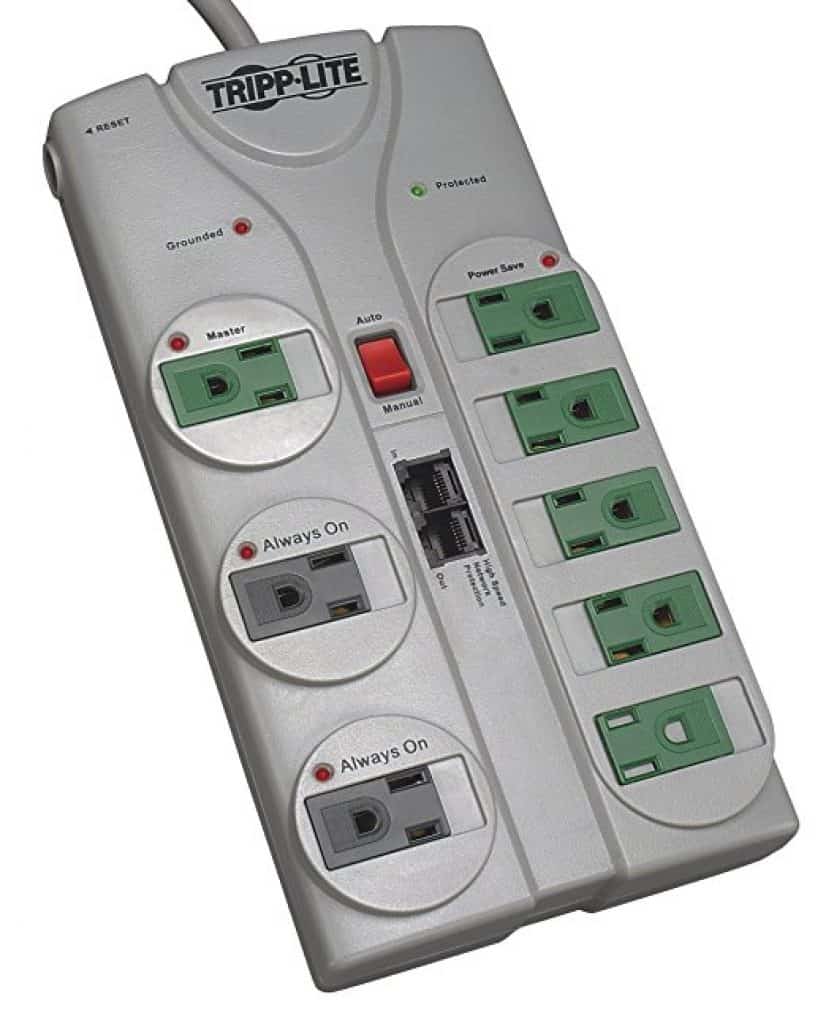
Plug-in strips alone cannot handle major surges, and their components may fail without warning. Common surge sources include lightning, overloaded outlets, power outages, and even appliance cycling inside your home. You need a layered surge protection strategy to guard every vulnerable point and ensure your devices stay safe.
Key Takeaways
-
Use a layered surge protection strategy with devices at the service entrance, distribution panels, and point of use to protect electronics from both external and internal surges.
-
Choose the right surge protective devices (Type 1, Type 2, and Type 3) based on their location and purpose to ensure comprehensive protection.
-
Regularly inspect and maintain surge protection devices to ensure long-term reliability and prevent damage to sensitive equipment.
Understanding the Layered Surge Protection Strategy
What Is a Layered Surge Protection Strategy
You need a system-level protection strategy to defend your electrical devices from power disturbances. A layered surge protection strategy uses multiple surge protective devices at different points in your electrical system. This approach manages electrical transients and disturbances from both external surges, such as lightning, and internally generated surges from equipment cycling. Electrical safety standards recommend a tiered approach:
-
Tiered Approach: Install surge protective devices at the line side of the main service equipment, the load side of the main service equipment, and at the secondary side of the utility service transformer.
-
Level 1: Type 1 surge protective devices absorb high-energy surges at the main incoming line.
-
Level 2: Devices at the distribution panel handle residual surges and electrical transients.
-
Level 3: Point-of-use protection ensures sensitive equipment receives downstream protection from minor electrical disturbances.
Why Multi-Layered Surge Protection Improves Reliability
Multi-layered surge protection increases reliability by providing comprehensive surge mitigation at every stage of your electrical system. You reduce the risk of power disturbances damaging critical infrastructure and sensitive equipment. The benefits become clear when you look at how each layer works:
|
Layer |
Description |
Purpose |
|---|---|---|
|
Layer 1 |
Service entrance SPD |
Catches large surges from outside and reduces them before entering wiring |
|
Layer 2 |
Sub-panel SPD |
Protects areas from internally generated surges and electrical disturbances |
|
Layer 3 |
Point-of-use protection |
Filters residual surge energy for sensitive equipment |
You achieve reliability by coordinating surge protection devices and maintaining proper distance between each layer. This strategy ensures comprehensive protection against electrical transients and power disturbances.
Key Components: Type 1, Type 2, and Type 3 SPDs
You must understand the roles of each surge protective device type for full reliability:
|
Type |
Function |
Location |
|---|---|---|
|
Type 1 |
Protects against high-energy surges |
Main electrical panel/service entrance |
|
Type 2 |
Handles residual surges and internally generated surges |
Sub-panels/branch circuits |
|
Type 3 |
Protects sensitive equipment from lower-level surges |
Point of use (offices, homes, data centers) |
Electrical industry standards, such as NEC Article 285 and UL 1449, require surge protection devices for residential and commercial buildings. You gain comprehensive surge protection and reliability by installing and maintaining these devices throughout your electrical system.
How to Implement a Multi-Layered Surge Protection System
Where to Install Surge Protective Devices
You need to install surge protective devices at strategic points in your electrical system to maximize protection. The placement depends on the type of building and the equipment you want to protect. Residential systems usually require a single device at the main panel, while commercial and industrial sites need a more complex setup. You should place devices as close as possible to the equipment to reduce voltage drops and improve effectiveness.
Environmental conditions, such as humidity and temperature, also affect performance. Choose devices with high IP ratings for harsh environments.
|
Environment Type |
Surge Protector Type |
kA Rating Range |
|---|---|---|
|
Residential buildings |
Type 2 |
In ≥ 20 kA |
|
Commercial buildings |
Type 1 (Main) |
25–50 kA |
|
|
Type 2 (Sub) |
20–40 kA |
|
Industrial sites |
Type 1 and Type 2 |
40–100 kA |
You can follow these location categories for installation:
-
Category C: Install devices outside the building at the service entrance and external equipment. Use Type 1 devices for external surge events.
-
Category B: Place devices at service equipment, major feeders, and short branch circuits.
-
Category A: Install devices at long branch circuits and receptacles, close to the point of utilization.
Tip: Shorter cable runs between the surge protective device and the equipment improve protection. Always follow manufacturer instructions for wiring and placement.
Choosing Type 2 Surge Protective Devices
You must select type 2 surge protective devices carefully to match your system’s needs. These devices protect against residual surges and internally generated disturbances. You should consider several criteria when choosing the right device:
|
Criteria |
Description |
|---|---|
|
Match system voltage and earthing arrangement |
Different systems require specific SPD configurations (e.g., 4P for TN systems, 3+1 for TT systems). |
|
Determine Uc (Maximum Continuous Operating Voltage) |
Uc should be slightly above nominal voltage for effective protection. |
|
Nominal discharge current (In): 5–20 kA; Maximum discharge current (Imax): 20–80 kA. |
|
|
Voltage protection level (Up) |
Aim for ≤ 2.5 kV for general equipment, ≤ 1.5 kV for sensitive electronics. |
|
Temporary overvoltage (TOV) withstand |
Ensure SPD can survive temporary overvoltage conditions. |
|
Additional features |
Look for pluggable modules, remote alarm contacts, thermal disconnect, and visual indicators. |
You should also check performance ratings and certifications:
|
Characteristic |
Details |
|---|---|
|
Standard |
IEC/EN 61643-11 |
|
Device Classification |
Class II |
|
Test Waveform |
8/20 μs current waveforms |
|
Nominal Discharge Current (In) |
5–20 kA |
|
Maximum Discharge Current (Imax) |
40–80 kA |
|
Application |
Locations without direct lightning strikes but with risk of transient overvoltages |
Note: Residential applications generally need type 2 surge protective devices with a minimum kA rating of 20 kA. Commercial buildings may require both Type 1 and Type 2 devices with higher ratings.
Step-by-Step Surge Protection Strategy for Homes and Businesses
You can follow a clear process to implement a layered surge protection strategy in your home or business. Here is a step-by-step guide:
-
Turn Off the Main Power: Ensure safety by switching off the main power at the electrical panel.
-
Choose the Right Surge Protector: Select a device that matches your panel specifications and meets the required kA rating.
-
Locate the Electrical Panel: Find the main panel or distribution panel in your building.
-
Mount the Surge Protector: Securely mount the device near the panel, keeping cable runs short and straight.
-
Connect the Surge Protector to the Panel: Attach ground, neutral, and hot wires according to the manufacturer’s instructions.
-
Install a Dedicated Circuit Breaker: Add a dedicated breaker if the device requires it.
-
Double-Check Connections: Inspect all connections to prevent wiring mistakes and ensure proper operation.
-
Turn the Power Back On: Restore power and test the device to confirm it is working.
Common mistakes include poor cable routing, excessive lead lengths, and incorrect connection points. Always follow manufacturer diagrams and keep leads short.
Best Practices for Reliability and Maintenance
You need to maintain your surge protection system to ensure long-term reliability. Regular inspections and preventive maintenance help minimize failures and downtime. Here are some best practices:
-
Hire certified electricians for installation to ensure correct wiring and grounding.
-
Check devices periodically for signs of wear or damage.
-
Install devices in locations protected from moisture, dust, and extreme temperatures.
-
Use devices with large kA ratings and redundant MOVs for better reliability.
-
Choose devices with operability indicators, such as LED lights or remote alarms.
-
Inspect grounding systems regularly. Use short, direct grounding conductors and maintain low-resistance earth connections.
-
Document installation and maintenance history for future reference.
-
Replace modules after major surge events if required.
Surge protection strategy works best when you coordinate devices at different layers. Proper energy distribution reduces stress on downstream equipment and improves system longevity.
You should also consider environmental factors. Temperature extremes, humidity, vibration, and dust can affect device performance. Protect devices from harsh conditions and monitor their status regularly. Preventive maintenance is crucial. Regular checks and preemptive repairs ensure your surge protection system remains effective. By following these steps and best practices, you create a reliable, multi-layered surge protection strategy that keeps your electronics safe from surges and electrical disturbances.
FAQ
What is the difference between Type 1, Type 2, and Type 3 surge protective devices?
You use Type 1 at the service entrance, Type 2 at distribution panels, and Type 3 at the point of use. Each protects against different surge levels.
How often should you inspect surge protective devices?
You should inspect surge protective devices every six months. Look for wear, damage, or indicator lights showing faults.
Can you install surge protection yourself?
You can install plug-in surge protectors. For panel-mounted devices, hire a certified electrician. This ensures safe wiring and proper grounding.