Lightning strikes can unleash millions of volts in an instant, creating power surges that threaten your home’s electrical system. A whole house lightning surge protector acts as your first line of defense, reducing the risk of damage to your appliances and electronics. However, no surge protection system can fully withstand the immense energy of a direct strike. To safeguard your home effectively, you need a layered approach that combines multiple protective measures. Having such a strategy ensures better resilience against the unpredictable nature of lightning.
- What Is a Whole House Lightning Surge Protector?
- How Lightning Strikes Cause Power Surges
- Can Whole-House Surge Protectors Handle Lightning Strikes?
- The Role of Whole-Home Surge Protection in a Multilevel Strategy
- Best Practices for Using a Whole House Lightning Surge Protector
- Choosing the Right Whole House Lightning Surge Protector
What Is a Whole House Lightning Surge Protector?
Definition and Purpose
A whole house lightning surge protector is an essential device for safeguarding your home’s electrical system. Installed at your main breaker box, it acts as a barrier against power surges caused by lightning strikes or other electrical disturbances. When a surge occurs, the protector detects the sudden spike in voltage and redirects the excess electricity safely to the ground. This process prevents the surge from entering your home’s circuits and damaging your appliances or electronics.
Think of it as a security guard for your electrical system. It stands at the entry point of your home’s power supply, ensuring that only safe levels of electricity flow through. Without this protection, even a minor surge could fry sensitive devices like computers, televisions, or refrigerators.
How Whole-Home Surge Protection Works
Whole-home surge protection operates by intercepting and neutralizing excess voltage before it can spread through your home. The device uses advanced components like metal oxide varistors (MOVs) to detect and respond to voltage spikes. MOVs create a low-resistance path for the surge, diverting it away from your home’s wiring and into the ground. This quick response minimizes the risk of damage to your electrical system.
Some surge protectors also include thermal fuses as a backup safety measure. These fuses disconnect the MOVs if they become overwhelmed, ensuring the device doesn’t fail under extreme conditions. Advanced models may even use Silicon Avalanche Diodes (SADs) for faster and more precise voltage regulation. By combining these components, whole-home surge protectors provide a robust defense against power surges.
Key Features and Benefits of Surge Protectors
Whole-home surge protectors offer several features that make them a valuable investment for your home. Here are some of the key benefits:
-
Comprehensive Protection: Installed at the electrical service entry point, these devices shield your entire home from surges, not just individual outlets.
-
Durable Components: MOVs and thermal fuses work together to handle high-voltage spikes effectively, ensuring long-lasting performance.
-
Enhanced Safety: By grounding excess electricity, surge protectors reduce the risk of electrical fires caused by overloaded circuits.
-
Cost Savings: Preventing damage to expensive appliances and electronics saves you money on repairs or replacements.
-
Peace of Mind: Knowing your home is protected from unpredictable power surges allows you to focus on what matters most.
When combined with other protective measures, a whole house lightning surge protector becomes a critical part of your home’s defense system. It ensures that your electrical system remains safe and reliable, even during severe weather events.
How Lightning Strikes Cause Power Surges
The Science Behind Lightning Strikes
Lightning strikes are one of nature’s most powerful phenomena. When lightning forms, it generates an electrical discharge that can carry up to 200 million volts. This immense energy travels through the atmosphere, seeking the quickest path to the ground. If your home or nearby power lines are in its path, the electrical system becomes a conduit for this energy. Even if the strike doesn’t hit directly, the electromagnetic pulse it creates can still induce power surges within your home.
These surges occur because lightning disrupts the balance of voltage in electrical systems. Your home’s wiring is designed to handle a specific voltage range. When lightning injects millions of volts into the system, it overwhelms the wiring, causing a sudden spike in electricity.
This is why surge protection systems are essential—they help manage these unexpected voltage increases.
How Lightning Affects Electrical Systems
When lightning interacts with your home’s electrical system, it can wreak havoc in several ways. A direct strike can send a massive surge of electricity through your wiring, damaging everything connected to it. Indirect strikes, while less intense, can still cause significant issues. The electromagnetic pulse from a nearby strike can travel through power lines, phone lines, or even your cable connections, creating surges that affect your devices.
The effects of these surges can vary. In some cases, they may cause minor disruptions, like flickering lights. In more severe instances, they can destroy sensitive electronics, melt wiring, or even start fires. Your HVAC system is particularly vulnerable. A surge can burn out its circuit boards, blow fuses, or damage critical components like compressors. Without proper surge protection, the cost of repairs or replacements can quickly add up.
Common Damage Caused by Lightning-Induced Surges
Lightning-induced power surges can lead to extensive damage in residential settings. Here are some of the most common issues:
-
Direct strikes can severely damage your home’s structure and electrical distribution system, increasing the risk of fires.
-
Overvoltage from indirect strikes can melt electronic circuitry, rendering devices like computers and televisions useless.
-
HVAC systems often suffer from burned-out circuit boards, blown fuses, or damaged compressors due to surges.
-
The extreme heat generated by surges can cause irreparable harm to appliances and other critical components.
These damages highlight the importance of having a whole house lightning surge protector. While no system can guarantee complete protection, a surge protector significantly reduces the risk of costly repairs and replacements.
Combining it with other protective measures ensures your home remains safe during lightning strikes.
Can Whole-House Surge Protectors Handle Lightning Strikes?
Capabilities of Whole-House Surge Protectors
A whole-home surge protector plays a vital role in shielding your home from power surges caused by lightning strikes. Installed at the main electrical panel, it acts as the first line of defense. When a surge occurs, the device intercepts the excess voltage and redirects it away from your home’s wiring. This prevents damage to your appliances and electronics. Some systems are installed between the meter and power lines, while others sit between the meter and breaker box.
Combining these solutions enhances protection against lightning-induced surges.
Whole house lightning surge protectors are specifically designed to handle voltage spikes caused by lightning strikes and other electrical disturbances. They use advanced components to shunt surges to a manageable level. This ensures that hardwired appliances, such as HVAC systems and refrigerators, remain safe. By diverting excess voltage, these devices protect your home’s electrical system and reduce the risk of costly repairs.
Limitations in Handling Direct Lightning Strikes
While a surge protector offers excellent protection against smaller surges, it has limitations when dealing with direct lightning strikes. The immense energy from a direct strike can overwhelm even the most advanced surge protection systems. Extremely powerful surges may bypass the protector and cause damage to your home’s wiring and devices. Proper grounding of your electrical system is essential, but it cannot guarantee complete safety.
Surge protectors are not infallible. They cannot provide 100% protection against all lightning strikes. A nearby strike can generate a surge strong enough to exceed the protector’s capacity. This highlights the importance of understanding that surge protectors are just one part of a comprehensive safety strategy.
Why Surge Protectors Are Not a Standalone Solution
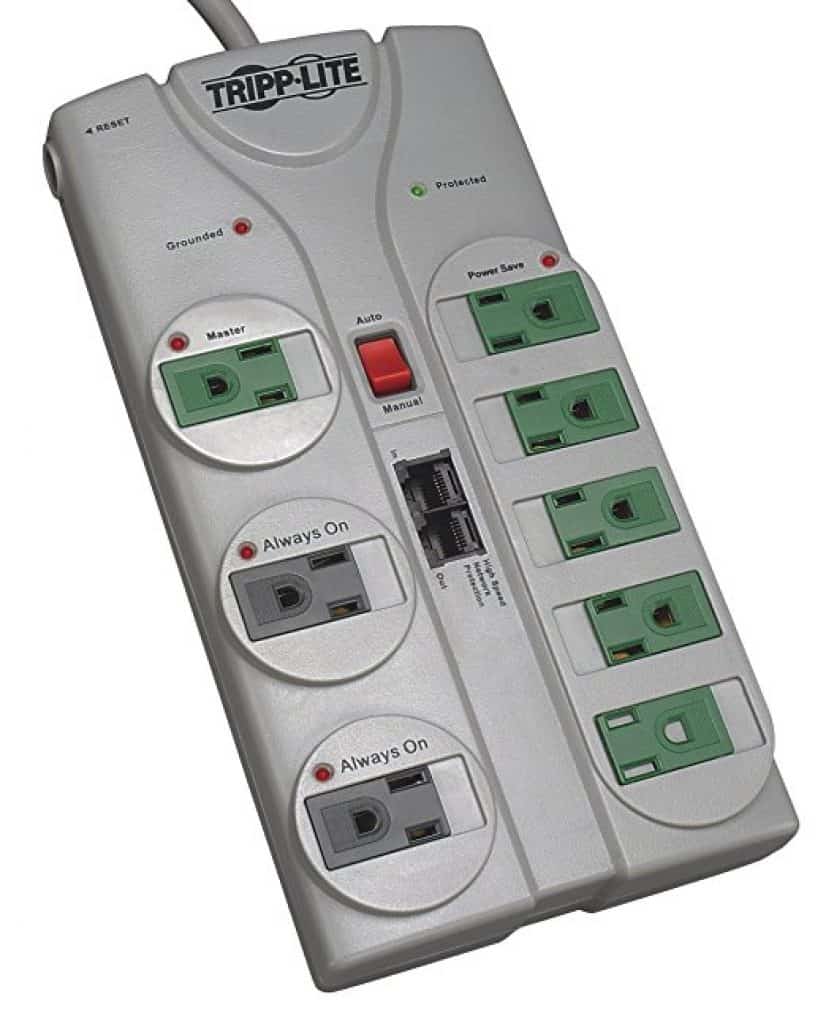
Relying solely on a surge protector to safeguard your home from lightning strikes is not enough. A layered approach to surge protection is crucial. This involves combining whole-house surge protectors with point-of-use devices, such as power strips with built-in surge protection.
These additional devices provide an extra layer of defense for sensitive electronics like computers and televisions.
Lightning rods and proper grounding systems also play a significant role in protecting your home. Lightning rods direct the energy from a strike safely into the ground, reducing the risk of damage. When you integrate these measures with a whole-home surge protector, you create a robust defense system. This multilevel strategy ensures better protection for your home and peace of mind during severe weather events.
The Role of Whole-Home Surge Protection in a Multilevel Strategy
Combining Whole-House Surge Protectors with Point-of-Use Devices
A whole-house lightning surge protector shields your home’s electrical system from external power surges, but it works best when paired with point-of-use devices. These devices, such as power strips with built-in surge protection, provide an extra layer of defense for individual appliances. While the whole-home surge protector handles large voltage spikes, point-of-use devices protect against smaller, internal surges caused by faulty appliances or sudden electrical fluctuations.
This combination ensures comprehensive protection. For example:
-
The whole-home surge protector safeguards your HVAC system, refrigerator, and other hardwired appliances.
-
Point-of-use devices protect sensitive electronics like computers, gaming consoles, and televisions.
-
Together, they reduce the risk of damage from both external and internal power surges.
Using both types of surge protection systems creates a robust defense, ensuring your home and devices remain safe during unpredictable electrical events.
The Role of Lightning Rods and Grounding Systems
Lightning rods and grounding systems play a critical role in protecting your home from lightning strikes. A lightning rod, installed on your roof, which can also protect rooftop antennas, attracts the electrical discharge from a strike. This rod connects to a conductor, which channels the energy safely into the ground through a grounding system.
This process prevents the lightning from traveling through your home’s wiring, reducing the risk of fires and structural damage.
The system consists of three main components:
-
Rod: A metal rod placed on the roof to attract lightning.
-
Conductor: A metal wire that directs the electrical charge to the ground.
-
Grounding System: A buried component that disperses the electricity safely.
This setup not only protects your home’s structure but also minimizes the impact on your electrical systems. By directing the energy away, it reduces the likelihood of damage to appliances and electronics.
Benefits of a Layered Defense System
A layered defense system combines whole-home surge protection, point-of-use devices, and lightning rods to create a comprehensive safety net. This approach addresses vulnerabilities at multiple levels, ensuring better protection for your home.
Here are the key benefits:
-
Enhanced Safety: Each layer targets specific risks, from external surges to internal fluctuations.
-
Reduced Damage: The system minimizes the impact of lightning strikes and power surges on your appliances and electronics.
-
Cost Savings: Preventing damage reduces repair and replacement costs.
-
Peace of Mind: Knowing your home is protected allows you to focus on other priorities.
This multilevel strategy ensures your home remains resilient against electrical threats. Combining these measures with regular maintenance further enhances your surge protection efforts.
Best Practices for Using a Whole House Lightning Surge Protector
Professional Installation of Surge Protectors
Installing a whole-home surge protector requires precision and expertise. You should always rely on a licensed electrician for this task. Professional installation ensures the device integrates seamlessly with your home’s electrical system. This approach minimizes risks and maximizes the effectiveness of your surge protection.
Here are some key benefits of professional installation:
-
Prevention of Electrical Fires: Proper installation reduces the chances of overheating or sparks, which can lead to dangerous fires.
-
Increased Lifespan of Devices: A professionally installed surge protector shields your appliances from damaging voltage spikes, extending their operational life.
-
Improved Home Safety and Security: Surge protectors enhance the integrity of your electrical system, safeguarding critical safety devices like smoke detectors and security systems.
Professional installation not only protects your home but also gives you peace of mind, knowing the system is set up correctly.
Regular Maintenance and Inspections
Maintaining your surge protection system is essential for long-term reliability. Regular checks and timely replacements ensure your surge protector continues to perform effectively. You should inspect the system annually and replace components as needed.
Follow these maintenance practices:
-
Check the indicator lights on your surge protector regularly. If the lights are off, the device may no longer provide protection.
-
Replace whole-house surge protectors every five to seven years or as recommended by the manufacturer.
-
Update point-of-use surge protectors every two to three years or after major electrical surge events.
-
Replace surge-protected outlets if their indicator lights show they’re no longer functional.
Routine inspections by a qualified electrician can identify potential issues early. This proactive approach helps you avoid costly repairs and ensures your home remains protected from power surges.
Additional Tips for Protecting Electronics and Appliances
While installing a whole-home surge protector is a great first step, you can take additional measures to safeguard your electronics and appliances. These extra precautions provide an added layer of security against power surges.
Consider these tips:
-
Use surge protector strips with built-in protection for individual devices like computers and televisions.
-
Install surge protection outlets in areas where sensitive electronics are frequently used.
-
Unplug devices during storms to eliminate the risk of damage from lightning-induced surges.
-
Equip your home with high-quality surge protectors for programmable appliances like washing machines and smart refrigerators.
-
Regularly inspect your home’s electrical wiring and ensure circuit breakers function properly.
These steps, combined with a whole-house surge protector, create a comprehensive defense system. They help you protect your valuable electronics and maintain the safety of your home.
Choosing the Right Whole House Lightning Surge Protector
Factors to Consider When Selecting a Surge Protector
Choosing the right whole-house lightning surge protector requires careful evaluation of your home’s specific needs. Start by assessing the type of appliances and electronics you want to protect. Homes with sensitive devices like smart refrigerators or gaming consoles may require surge protectors with higher energy absorption ratings.
Consider the following factors to make an informed decision:
-
Clamping Voltage: This determines the voltage level at which the surge protector activates. Lower clamping voltage offers better protection.
-
Energy Absorption Rating: Measured in joules, this indicates how much energy the device can handle before failing. Higher ratings mean better durability.
-
Response Time: Faster response times ensure the surge protector reacts quickly to voltage spikes, minimizing potential damage.
-
Frequency of Thunderstorms: Homes in areas with frequent storms may need surge protectors with advanced features.
-
Proximity to Power Stations: Close proximity increases the likelihood of power surges, requiring robust protection.
-
Electrical Load: Larger homes with higher electrical demands may need surge protectors with greater capacity.
Understanding these factors ensures you select a surge protector that aligns with your home’s electrical system and local conditions.
Examples of Reliable Whole-Home Surge Protection Devices
Several high-quality whole-home surge protection devices are available on the market. These options cater to different needs and budgets:
-
Siemens FirstSurge Plus: A top-rated choice for overall performance and reliability.
-
Eaton CHSPT2SURGE: Offers excellent value for money without compromising on protection.
-
Schneider Electric Square D HEPD80: A midrange option with solid features.
-
Eaton CHSPT2ULTRA: Designed for heavy-duty applications, ideal for homes with high electrical loads.
-
Intermatic Smart Guard: A versatile option with advanced features and a 100kA protection rating.
-
Siemens FS140: Handles surges up to 140kA and includes a 10-year warranty, making it suitable for areas with frequent outages.
These devices provide reliable whole-home surge protection, ensuring your appliances and electronics remain safe during power surges.
Cost and Installation Considerations
The cost of purchasing and installing a whole-house surge protector varies based on the device and your home’s electrical setup. On average, installation costs range from $70 to $700, with a national average of around $300. If your home requires a new outlet for the surge protector, expect an additional cost of approximately $200.
In some cases, replacing an outdated electrical panel may be necessary. This can cost between $526 and $2,010, depending on the complexity of the upgrade. While these costs may seem significant, investing in a surge protector can save you thousands of dollars in potential repairs or replacements for damaged appliances.
To maximize your investment, hire a licensed electrician for installation. Professional installation ensures the surge protector integrates seamlessly with your electrical system, providing optimal performance and safety.
Whole-house surge protectors play a vital role in shielding your home from electrical surges, but they cannot handle direct lightning strikes alone. To ensure comprehensive safety, you should adopt a multilevel strategy that combines whole-house protectors with point-of-use devices and proper grounding systems.
-
Whole-house surge protectors can be costly and require regular inspections to maintain effectiveness.
-
Combining different protective measures creates redundant barriers, reducing the risk of damage to your electronics.
-
Professional installation and maintenance enhance system reliability, prevent electrical fires, and extend the lifespan of your devices.
Investing in these measures ensures your home remains safe and your electronics protected.